Modern Office Cleaning: Technology, Techniques, and Best Practices for a Healthier Workplace
Discover how digital tools, smart scheduling, and professional methods transform office cleaning. Boost hygiene, productivity, and client trust.
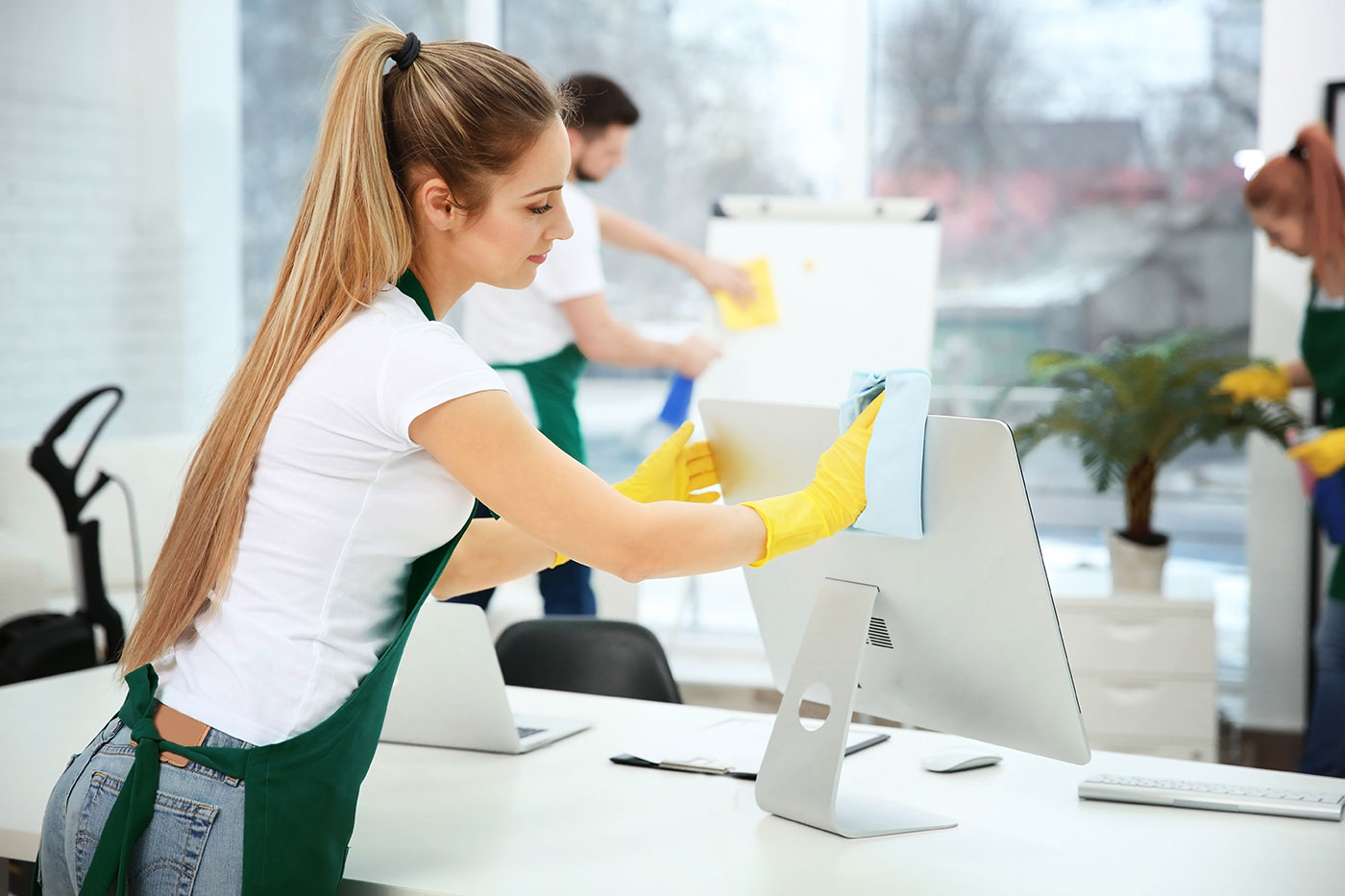
The New Face of Office Cleaning
A well‑maintained workspace does more than impress visitors—it directly impacts employee health, concentration, and retention. In recent years, the cleaning industry has undergone a quiet revolution, merging digital logistics with refined physical techniques. From algorithm‑driven scheduling to sensor‑triggered restocking, modern cleaning is as much about data as it is about disinfectant. This article takes a deep dive into the innovations and fundamentals that define professional office hygiene today.
Digital Logistics: Smarter, Faster, Better
Intelligent Workforce Allocation
Gone are the days of static shift patterns and manual rosters. Advanced scheduling software now analyzes facility‑usage data, foot traffic, and peak hours to deploy cleaning staff with pinpoint accuracy. Instead of a one‑size‑fits‑all timetable, algorithms ensure that the right number of workers arrive at the right zones at the right times. This reduces idle time and prevents burnout, as workloads are distributed more evenly. The result is a consistent, responsive service that adapts to the ebb and flow of a busy office.
IoT and Demand‑Based Maintenance
Internet of Things (IoT) sensors placed in restrooms, break rooms, and corridors monitor usage patterns and consumable levels—soap, paper towels, toilet paper—in real time. Rather than following a rigid hourly check, cleaners receive alerts only when specific thresholds are met (e.g., after 50 uses or when soap runs low). This "demand‑based" approach eliminates wasted trips and ensures that high‑traffic areas stay pristine. It also extends the life of supplies and reduces overall operating costs.
Mobile Connectivity and Accountability
Smartphones have replaced paper checklists. Field staff use GPS‑enabled apps for check‑in, task assignment, and photo documentation of completed work. A cleaner can instantly flag a broken handle or a leaky faucet, creating a digital trail that protects both the worker and the client. Managers gain objective performance data—response times, task completion rates—allowing them to identify top performers and areas for improvement. For clients, these reports provide peace of mind that the scope of work is being met rigorously.
Mastering the Physical Craft
Top‑Down Strategy
Technology optimizes the "when" and "where," but the "how" still depends on physics. Dust and allergens settle downward; therefore, every effective cleaning routine begins at the highest points—ceiling vents, light fixtures, top shelves—and works its way down. Cleaning lower surfaces first only to have debris fall from above creates redundant work. By adhering to a strict top‑down workflow, each step contributes to a net reduction of dirt, and the final floor pass captures all displaced particles. This method also improves indoor air quality and extends the period between deep cleans.
Electronics Care
Computers, monitors, and keyboards generate static electricity that attracts dust. Generic cleaners and abrasive cloths can scratch screens or damage protective coatings. The industry standard is ultra‑fine microfiber, which lifts oily fingerprints without chemicals. When moisture is needed, it is applied sparingly to the cloth—never directly to the device—to prevent liquid ingress. Compressed air removes debris from between keys before wiping. A streak‑free monitor and clean keyboard not only look professional but also promote a sense of order and respect for the tools of the trade.
Cleaning vs. Sanitizing
A visually clean surface is not necessarily hygienic. The critical distinction lies in the two‑step process: first clean (remove dirt, grease, and biofilm with a detergent), then sanitize (apply a disinfectant with the proper dwell time). Spraying disinfectant onto a dirty surface allows organic matter to shield pathogens from the chemical. Professionals understand that the kill time—often 30 seconds to several minutes—is non‑negotiable for achieving a measurable reduction in bacteria. This distinction is especially vital for high‑touch points such as door handles, elevator buttons, and shared equipment.
Strategic Management and Client Partnerships
Customized Plans for Every Space
No two facilities are alike. A healthcare office requires sterilization protocols and biohazard awareness; a creative agency may prioritize lobby aesthetics and glass partitions. Successful providers conduct a deep audit of the client’s traffic patterns, pain points, and industry needs. They then tailor the frequency and intensity of tasks—aggressive floor care for retail spaces, dust‑control protocols for data centers—to deliver maximum value without inflating costs. Flexibility is key: as hybrid work models shift occupancy, schedules should adjust accordingly.
Training and Transparency
The human element remains irreplaceable. Leading companies invest in comprehensive training that covers chemical safety, security protocols, and professional etiquette. A vetted, uniformed workforce provides psychological security for clients. Equally important is pricing transparency—detailed breakdowns of labor, materials, and any extras build trust. Communicating eco‑friendly practices (green chemicals, sustainable waste management) also aligns with corporate social responsibility goals, strengthening long‑term partnerships.
Frequently Asked Questions
What are the key benefits of hiring professional office cleaners?
Professional cleaners use specialized equipment and eco‑friendly products that effectively eliminate germs and allergens, reducing sick days and boosting productivity. Outsourcing also allows your staff to focus on core tasks.
How can I effectively market my cleaning business?
Use social media to share client testimonials, build a professional website, network with local businesses, and offer referral discounts. Community involvement also raises awareness.
What services are typically included in office cleaning?
Standard services include dusting, vacuuming, mopping, restroom cleaning, trash removal, and disinfecting common areas. Additional options may include window cleaning, deep carpet care, and sanitizing high‑touch points.
How does deep cleaning differ from regular cleaning?
Deep cleaning is a more intensive service that targets hard‑to‑reach areas, scrubs floors, sanitizes surfaces thoroughly, and cleans air vents. It is performed less frequently but is essential for maintaining high hygiene standards.
What factors should I consider when choosing an office cleaning company?
Look for reputation, experience, insurance, and bonding. Check reviews or ask for references. Ensure their methods and products align with your environmental and health standards.