Cat Food Guide: Nutrition, Types, Prices & Choosing the Best
Learn about feline nutrition, compare dry, wet, raw, and grain-free cat foods, and get tips for choosing the best diet for your cat.
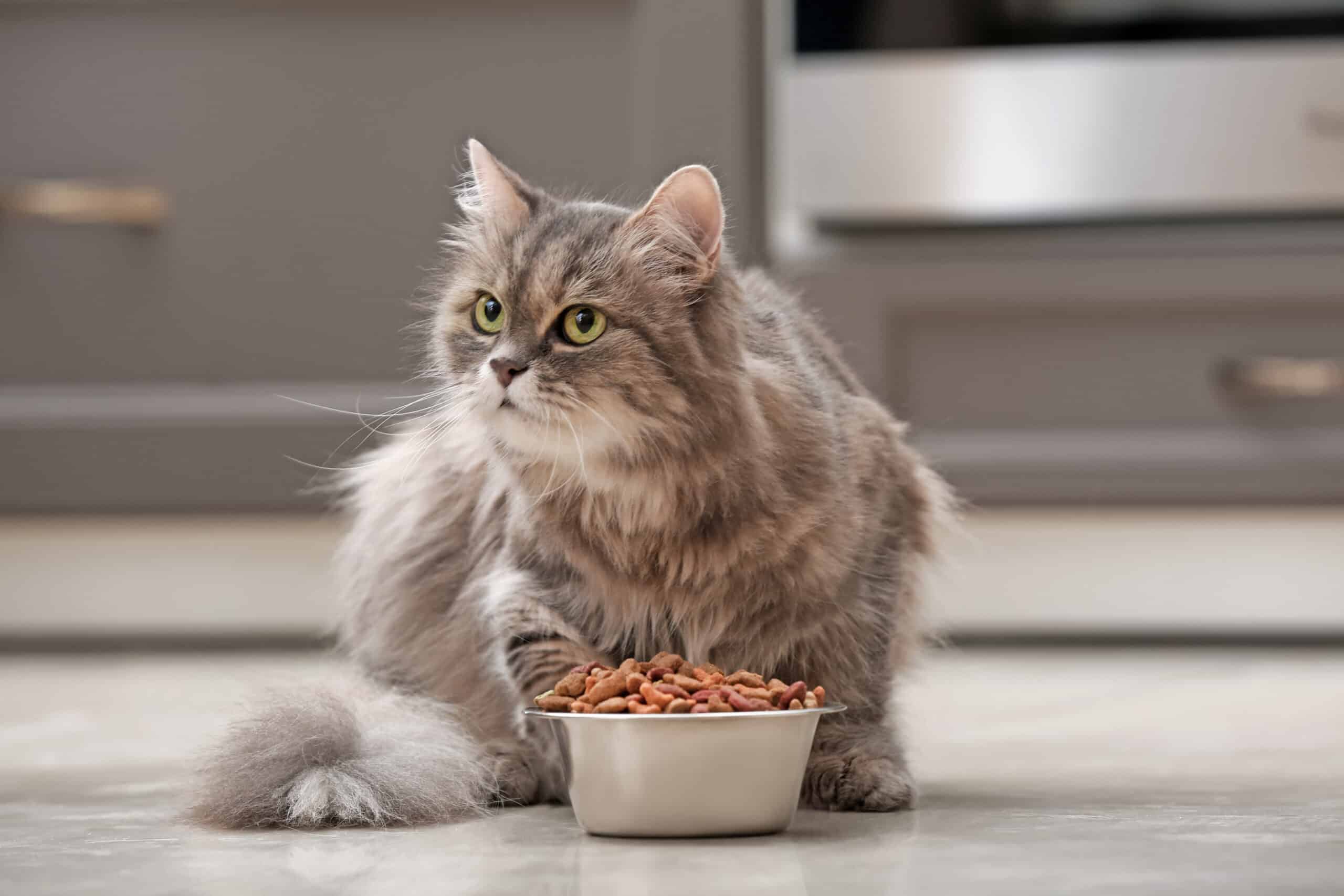
Why Feline Nutrition Matters
Cats are obligate carnivores, meaning their bodies are designed to thrive on nutrients found in animal tissues. A balanced diet supports growth, energy, and long-term health. Key nutrients include high-quality animal protein, taurine for heart and eye function, essential fats for energy and vitamin absorption, and vitamins A, D, E along with minerals like calcium and phosphorus.
Factors That Shape Your Cat’s Dietary Needs
Each cat is unique. Age, health conditions, and activity level all influence nutritional requirements. Kittens need more protein and calories for growth, seniors may need joint support or lower phosphorus for kidney health, and active cats burn more energy. Always consult your vet before making major diet changes.
Types of Cat Food: Pros and Cons
Dry Cat Food
Convenient and shelf-stable. Kibble may help reduce tartar but contains only about 10% moisture. Ensure your cat drinks plenty of water.
Wet Cat Food
High moisture content (around 75%) aids hydration. Often more palatable for picky eaters. Must be refrigerated after opening.
Raw Cat Food
Mimics a natural diet. Requires careful handling to avoid bacterial contamination and must be nutritionally complete.
Grain-Free Cat Food
Uses alternative carbohydrate sources. Beneficial for cats with grain sensitivities but not necessary for all. Usually higher in meat content and cost.
Price vs. Nutritional Value: Quick Comparison
| Type | Avg Cost | Nutritional Value | Moisture |
|---|---|---|---|
| Dry | $1.50/lb | Balanced, low moisture | 10% |
| Wet | $2–3/can | High protein, high moisture | 75% |
| Raw | $4.00/lb | High protein, variable moisture | 60–70% |
| Grain-Free | $3.00/lb | High protein, varied moisture | 10–75% |
How to Choose the Best Cat Food
Check the Ingredient List
Look for named meat (e.g., chicken, salmon) as the first ingredient. Avoid excessive fillers like corn or wheat.
Brand Reputation
Select brands with a strong safety record. Research any past recalls and customer reviews.
Special Dietary Needs
Prescription diets can manage health issues like urinary tract problems or obesity. Life-stage formulas ensure proper nutrient ratios for kittens, adults, or seniors.
Frequently Asked Questions
What is the best type of cat food? It depends on your cat’s needs. Consult your veterinarian.
How often should I feed my cat? Adult cats typically eat twice daily; kittens need more frequent meals.
Is grain-free food better? It helps cats with grain sensitivities but isn't necessary for all.
Can I mix wet and dry food? Yes, mixing can provide balanced nutrition and hydration.
How do I transition to a new food? Gradually mix the new with the old over 7 days to avoid digestive upset.