Dental Implants: A Complete Guide to Restoring Missing Teeth and Your Smile
Learn all about dental implants: the step-by-step process, average costs, options for seniors, and workplace programs to make treatment affordable.
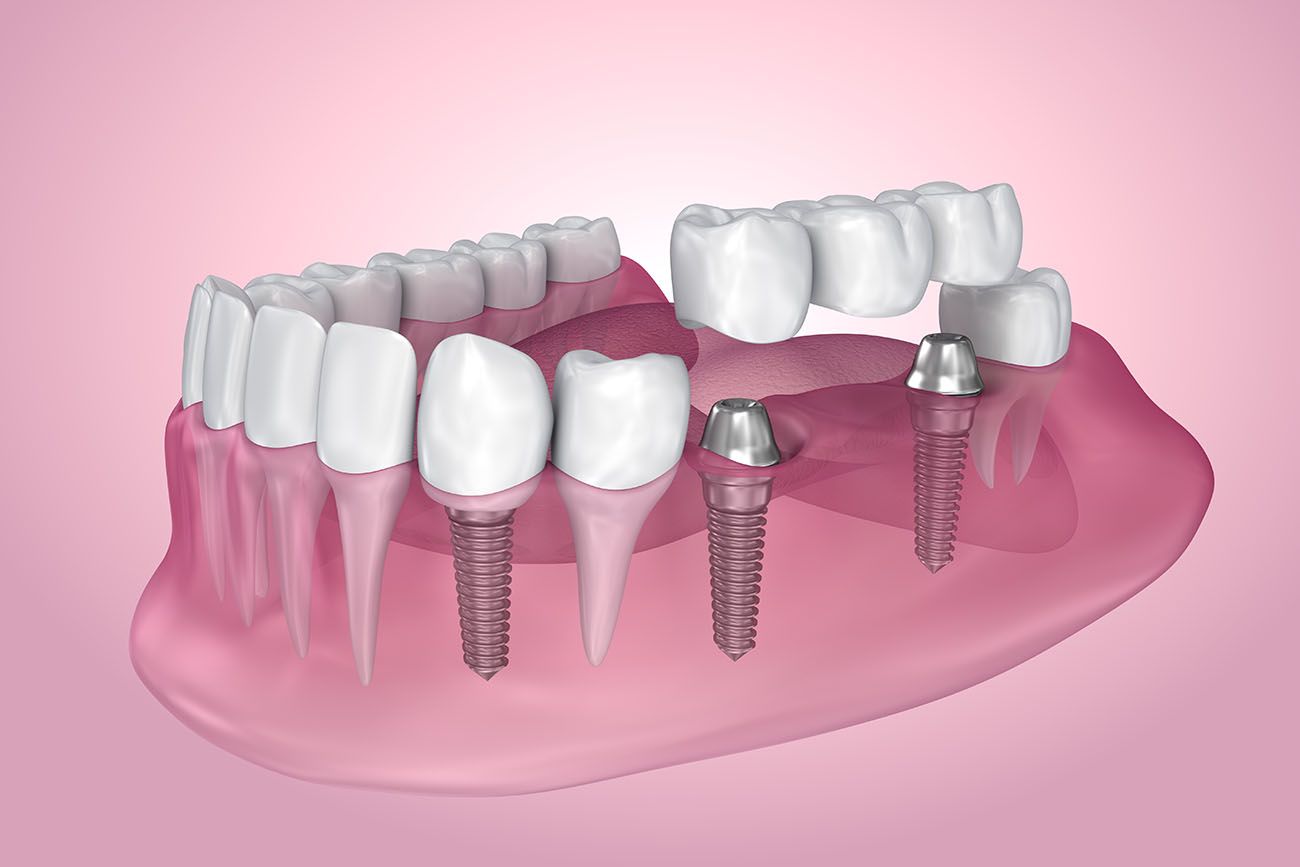
Understanding Dental Implants and Their Benefits
Dental implants have transformed restorative dentistry by offering a permanent, natural-looking solution for missing teeth. Unlike dentures or bridges, implants mimic the entire tooth structure, from root to crown, providing both function and aesthetics. This comprehensive guide covers everything from the procedure and cost to options for seniors and workplace-based programs.
What Makes Dental Implants Different?
A dental implant is a small titanium post surgically placed into the jawbone. Titanium is chosen because it bonds with bone through osseointegration, creating a stable anchor. A custom-made crown is then attached, restoring full chewing ability and appearance. Implants preserve jawbone density, prevent facial sagging, and do not require altering adjacent teeth.
The Step-by-Step Implant Process
Initial Evaluation and Planning
Your dentist or oral surgeon will perform a thorough exam, including X-rays, CT scans, and a review of your medical history. This determines jawbone health and any need for preparatory procedures like bone grafting.
Surgical Placement
Under local or general anesthesia, the dentist drills a precise hole in the jawbone and inserts the titanium post. The gum is stitched closed over the implant. Healing and osseointegration take 3–6 months, depending on bone quality and overall health.
Attaching the Abutment and Crown
Once the implant is fused, a minor surgery exposes the implant and attaches an abutment. After healing, impressions are taken to fabricate a crown that matches your natural teeth in color, shape, and size. The crown is cemented or screwed onto the abutment.
Dental Implant Costs and Factors That Affect Pricing
Key Price Influences
Type of implant: Premium brands may cost more but offer higher success rates.
Number needed: Single-tooth implants cost less than multiple or full-mouth restorations. Implant-supported bridges or All-on-4 can be more economical for multiple missing teeth.
Location: Implants in the molar region are often more complex and costly due to greater bone requirements.
Average Cost Range (USD)
| Restoration Type | Average Cost (USD) |
|---|---|
| Single-Tooth Implant | $1,500 – $3,000 |
| Implant-Supported Bridge (3 teeth) | $3,000 – $6,000 |
| Full-Mouth Restoration (All-on-4) | $15,000 – $30,000 |
How to Make Implants More Affordable
Insurance and financing: Many plans cover a portion if medically necessary. Check deductibles, co-pays, and annual limits.
Dental tourism: Traveling to countries with lower costs can reduce expenses, but vet the clinic and dentist thoroughly.
Dental Implants for Seniors
Special Considerations
Seniors often face gum disease, bone loss, or multiple medications. Gum disease must be treated before implant placement. Blood thinners and other drugs may require medical clearance to manage bleeding and healing risks.
Why Implants Are a Smart Choice for Older Adults
Improved nutrition: Chewing properly allows a more varied diet, combating malnutrition.
Longevity: With care, implants can last a lifetime, eliminating the need for frequent denture replacements.
Confidence: Stable teeth restore self-esteem and social ease.
Workplace-Based Dental Implant Programs
Employers sometimes partner with dental clinics or insurers to offer discounted implants to employees. These programs reduce out-of-pocket costs and can boost productivity by improving employees' oral health and overall well-being. Compared to traditional insurance (which often caps implant coverage) and independent clinics (which vary widely in price), workplace plans negotiate group rates for significant savings.
Frequently Asked Questions
Q1: Are dental implants painful?
A1: The procedure is performed under anesthesia so you won't feel pain during surgery. Post-op discomfort, swelling, and minor bleeding typically resolve within a week with pain medication and proper care.
Q2: How long do dental implants last?
A2: With excellent oral hygiene and regular dental visits, implants can last a lifetime. Success depends on bone quality, implant brand, and your overall health.