Belly Fat Removal: Compare Minimally Invasive and Surgical Options for Best Results
Compare non-surgical, minimally invasive, and surgical belly fat removal methods. Learn about CoolSculpting, tummy tucks, recovery times, and key factors to choose.
Introduction
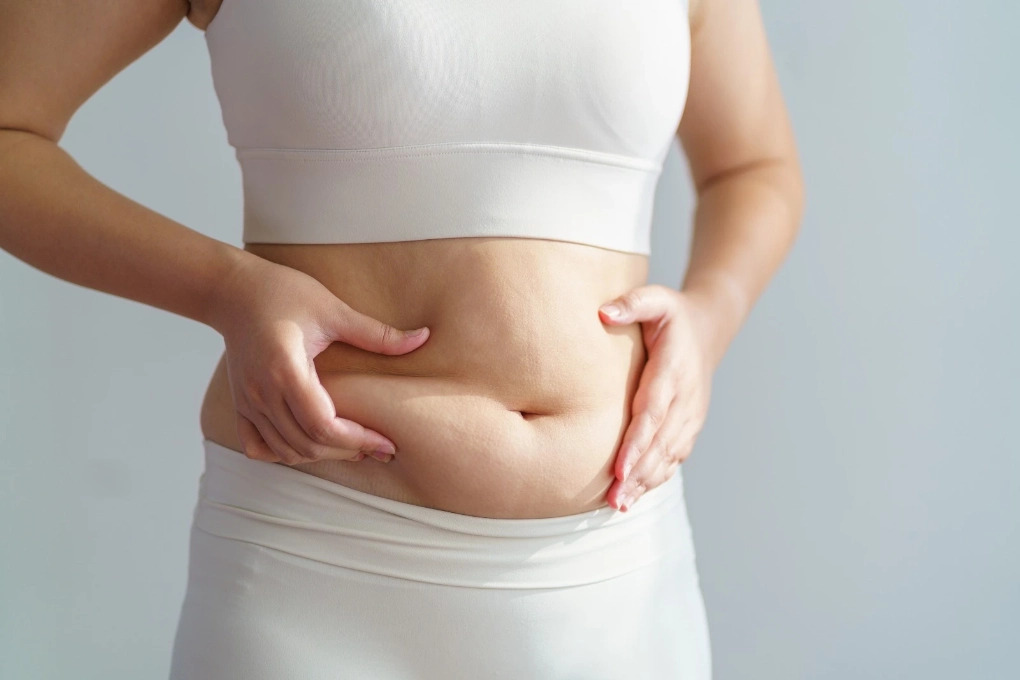
Stubborn belly fat can be hard to shift with diet and exercise alone. Advances in fat removal techniques now offer effective solutions ranging from non-surgical treatments to advanced surgery. This guide compares the most popular methods, including CoolSculpting, endoscopic tummy tucks, and liposuction 360, helping you choose the right approach based on recovery time, cost, and desired outcome.
Non-Surgical Fat Removal Options
CoolSculpting and Cryolipolysis
CoolSculpting uses controlled cooling to freeze and destroy fat cells without incisions. The body naturally eliminates these dead cells over weeks. It requires no anesthesia or downtime and is ideal for mild to moderate fat deposits. Multiple sessions may be needed, and results appear gradually.
Radiofrequency and Laser Treatments
Technologies like VelaShape III and T-Shape combine radiofrequency energy with laser therapy to reduce fat, tighten skin, and smooth cellulite. These painless treatments have zero downtime and offer subtle improvements. They are best for individuals seeking non-invasive options with minimal commitment.
Minimally Invasive Procedures
Endoscopic Tummy Tucks and Renuvion
Endoscopic tummy tucks use smaller incisions and a camera for precision, shortening recovery to one to two weeks. Renuvion employs radiofrequency and helium plasma to tighten skin after fat removal, with recovery often just days. These methods bridge non-surgical and full surgery, offering more dramatic results with less downtime.
Surgical Options for Significant Results
Tummy Tucks and Liposuction 360
Traditional tummy tucks remove excess skin and repair separated abdominal muscles, commonly chosen after pregnancy or major weight loss. Liposuction 360 removes fat circumferentially around the midsection for comprehensive contouring. Recovery typically lasts two to four weeks, with final results visible after three to six months. Surgical options offer permanent fat removal and dramatic transformation but carry risks and require longer downtime.
Recovery and Results Comparison
Non-surgical treatments require no downtime; results appear over several months. Minimally invasive procedures allow return to normal activities within days to two weeks. Full surgical recovery takes several weeks, with swelling subsiding gradually. Regardless of method, maintaining results demands a healthy diet, regular exercise, and hormonal balance.
Key Considerations Before Choosing
Choose a method based on your desired outcome (subtle vs. dramatic), budget, tolerance for downtime, health status, and willingness to adopt long-term lifestyle changes. Surgery is best for those with significant excess fat and good skin elasticity. Non-surgical options suit those with mild issues who prefer no incisions. Always consult a qualified professional to assess your individual needs.
Conclusion
From CoolSculpting to full tummy tucks, today’s belly fat removal solutions fit a range of goals. Understanding the trade-offs between invasiveness, recovery, and results helps you make an informed decision. Pair any treatment with healthy habits for lasting success.