Complete Car Maintenance Guide: DIY Tips, Warning Signs, and Modern Vehicle Care
Learn to spot early car trouble signs, perform DIY maintenance, and understand modern vehicle care. Keep your car reliable and safe with this complete guide.
Recognizing Early Car Troubles
Catching vehicle issues early can save you from expensive repairs and dangerous situations. Learn to spot the silent signals your car sends before a breakdown occurs.
Electrical System Warnings
Modern cars depend on complex electronics that manage everything from engine timing to dashboard displays. A flickering or dead dashboard hides critical data like speed and fuel level, making driving hazardous. Other clues include a non-responsive backup camera, erratic trunk opening, or failing exterior lights. These electrical glitches often point to deeper faults that need prompt diagnosis.
Fuel System Red Flags
A faulty fuel sensor can give false readings, leaving you stranded unexpectedly. Smelling gasoline indicates a leak in the tank or lines—a serious fire risk. A stuttering or stalling engine may signal a failing fuel pump, especially dangerous in traffic. Addressing these signs quickly keeps your fuel system safe and reliable.
Engine and Battery Warning Signs
Overheating is a critical alert—ignore it and risk permanent engine damage. Dashboard temperature warnings demand immediate action. In hybrids and EVs, battery management is crucial; short circuits can cause fires. A sudden loss of drive power often means a mechanical break between engine and wheels. Understanding these warnings helps you act fast and avoid major repairs.
Steering and Suspension Issues
A loose steering wheel or drifting car points to alignment or steering problems. Clunking noises during turns or over bumps suggest worn components, like loose axle bolts. Modern stability control systems deactivate with a warning light when sensors fail—get it checked to keep safety features active.
DIY Maintenance Tasks for Every Driver
You don't need to be a mechanic to keep your car in good shape. Mastering a few basic checks can save money and give you confidence.
Fluid Checks and Top-Ups
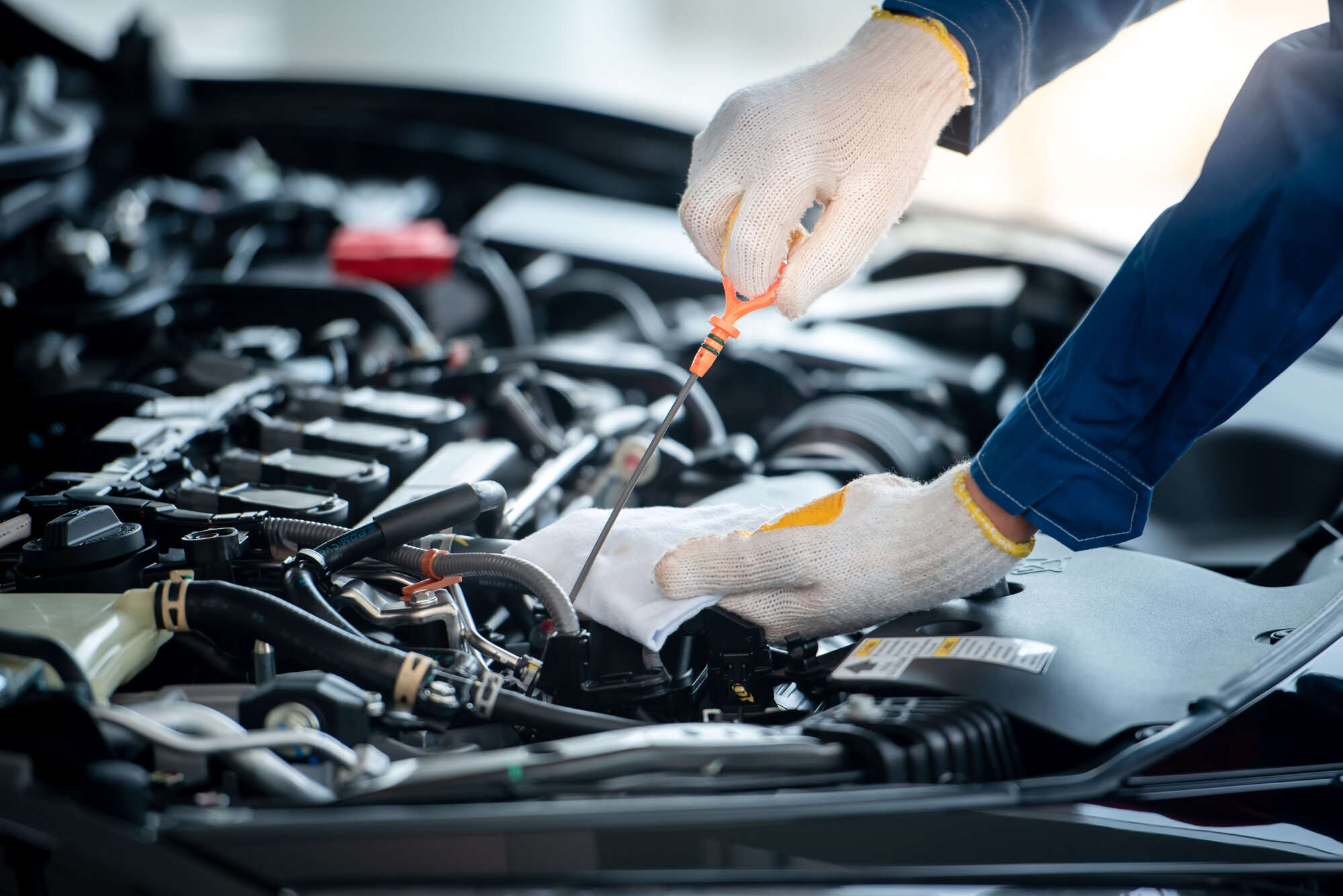
Check engine oil when the engine is cool using the dipstick—keep between the markers. Inspect coolant level through the reservoir. Top up windshield washer fluid regularly. These simple actions prevent overheating, poor lubrication, and visibility issues.
Tire Care
Check tire pressure monthly with a gauge and inspect tread depth using a coin. Proper inflation improves fuel economy and safety. Rotate tires every 6,000–8,000 miles for even wear.
Wiper Blade Replacement
Replace wiper blades when they streak or squeak—usually once or twice a year. The process takes minutes: release the old blade from the arm, attach the new one. Clear visibility is worth the small effort.
Air Filter and Spark Plugs
Replace the engine air filter every 15,000–30,000 miles (more often in dusty areas). Spark plugs last 30,000–100,000 miles depending on type. Both affect fuel efficiency and engine power. These are simple DIY swaps for many vehicles.
When to Call a Professional
Some jobs require expert knowledge. Brake inspections should be done by a pro every 10,000 miles if you hear noise or feel vibration. Transmission repairs, complex electrical issues, and steering system work are best left to trained mechanics. Always follow your manufacturer's service schedule for major services.
Hidden Features That Improve Ownership
Your car likely has features you didn't know about. Auto-locking doors enhance security. Gas cap holders inside the fuel door prevent scratches. Hidden compartments provide extra storage. Learning these can simplify daily use.
Advanced safety features like lane-keeping assist and road sign recognition depend on clean sensors—wipe them regularly. Infotainment systems need periodic resets and software updates to run smoothly and securely.
Modern Maintenance Trends and EV Care
Vehicle care is becoming smarter. Predictive systems use sensors to warn of wear before failure. Over-the-air updates improve performance without a dealership visit. Electric vehicles eliminate oil changes but require careful battery management—monitor temperature, charging cycles, and software updates. The aftermarket now offers user-friendly parts for easy customization.
Maintenance Summary Table
| Aspect | Frequency | DIY or Pro | Notes |
|---|---|---|---|
| Oil Change | Every 5,000–7,500 miles | DIY or Pro | Use recommended oil type |
| Tire Checks | Monthly | DIY | Rotate every 6,000–8,000 miles |
| Brake Inspection | Every 10,000 miles or if noisy | Pro | Check pads, rotors, fluid |
| Fluid Levels | Monthly | DIY | Oil, coolant, brake, transmission |
| Battery | Check terminals yearly | DIY or Pro | Replace every 3–5 years |
| Air Filter | Every 15,000–30,000 miles | DIY | More often in dusty conditions |
| Spark Plugs | Every 30,000–100,000 miles | DIY or Pro | Affects fuel economy and power |
| General Checks | Monthly | DIY | Lights, wipers, belts |
| Service Schedule | Per manufacturer | Pro | Includes multi-point inspection |
| Essential Repairs | When warning appears | Pro | Prioritize safety-related fixes |
Frequently Asked Questions
What basic DIY tasks extend vehicle life? Checking fluids, tire pressure, and tread; replacing wipers and air filters; monitoring for unusual noises or smells. These prevent major issues.
How often should I perform monthly checks? Once a month: inspect fluids, tires, lights, and listen for odd sounds. Catch problems early.
Which repairs should never be delayed? Brake issues, engine warning lights, fuel leaks, and anything affecting steering or stability. Safety first.
How do warning signs prevent costly repairs? Early detection of worn brakes, low fluids, or electrical faults stops minor problems from becoming expensive failures.
What is a service schedule? A manufacturer-recommended plan for routine maintenance at specific mileage or time intervals. Following it ensures reliability and safety.