Wage Stagnation and Systemic Barriers: The Real Drivers of Economic Inequality
Explore how stagnant wages, limited education access, and regional divides perpetuate economic inequality and hinder social mobility.
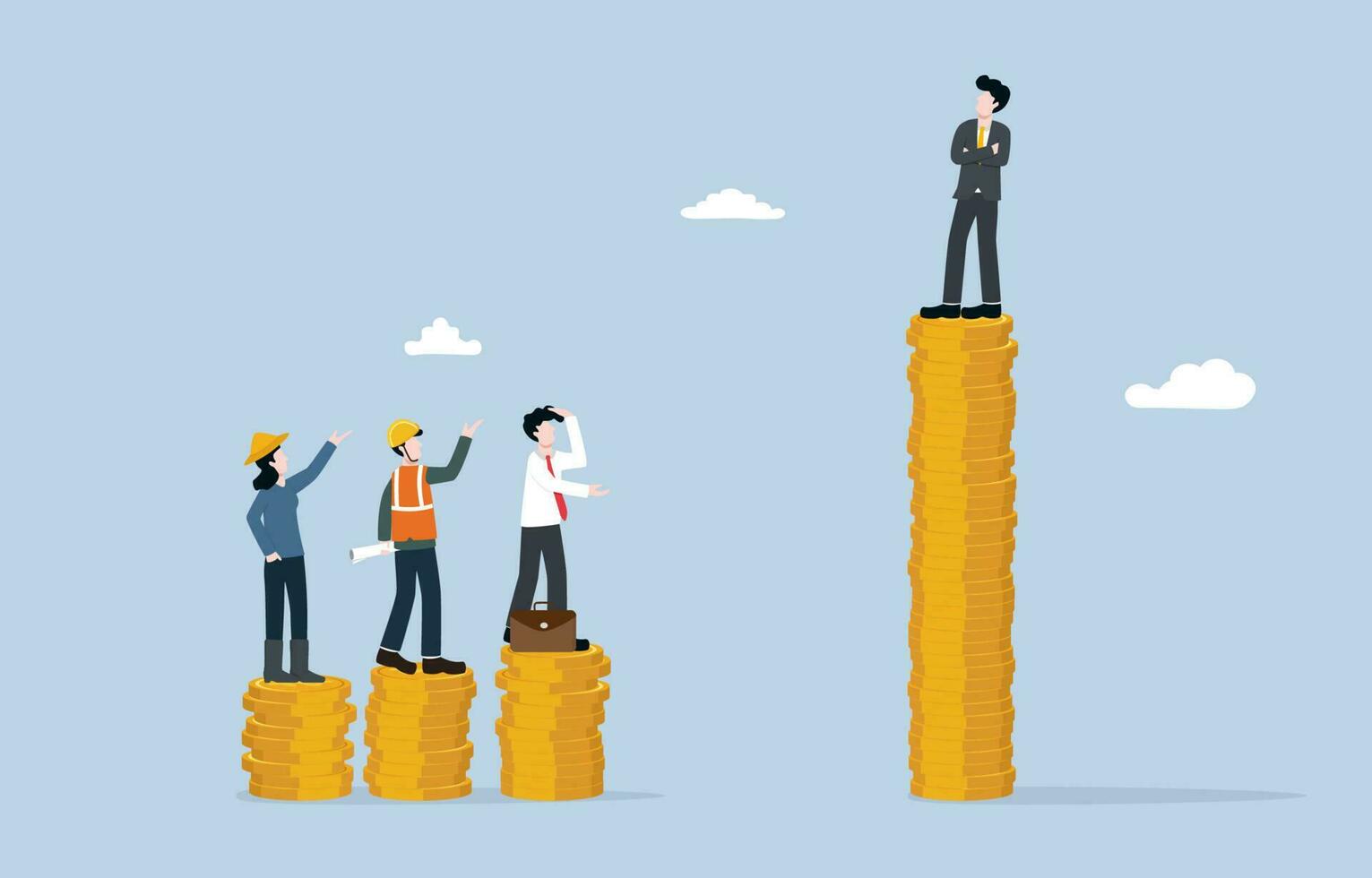
Understanding Economic Inequality and Its Root Causes
Economic inequality refers to the uneven distribution of wealth and resources within a society. The wealth gap—a stark divide between the richest and poorest—is a visible symptom. But beneath the numbers lie deeper structural forces: socioeconomic starting points, geographic barriers, and unequal access to education.
The Influence of Your Starting Point
From birth, family income heavily shapes access to quality education, healthcare, and career networks. In developed regions, children from low-income households often face unmet basic needs, limiting their long-term earning potential. Early childhood poverty can set off a cascade of disadvantages that persist across generations. Policies that invest in early education and health care are essential to level the playing field.
Geographic and Structural Barriers
Where you live matters as much as your family background. Economic activity concentrates in a few urban hubs, leaving rural and remote areas with fewer jobs and lower wages. This spatial inequality traps residents in low-opportunity zones. Additionally, structural mismatches between available jobs and workers' skills prevent upward mobility. Regional investment in infrastructure and workforce training can help distribute prosperity more evenly.
The Role of Education Access
Unequal education systems perpetuate inequality. Schools in affluent neighborhoods often have better resources, while underfunded schools in poorer areas struggle to prepare students for high-wage careers. Expanding access to early childhood programs, higher education financing, and vocational training aligned with market demand is critical for breaking the cycle.
How Wage Stagnation Deepens Inequality
When Paychecks Don’t Keep Up
Despite rising productivity and economic growth, wages for most workers have barely budged in decades. Housing, healthcare, and education costs have soared, squeezing middle- and lower-income families. This stagnation limits savings for education, retirement, or emergencies, hampering upward mobility. Raising the minimum wage and strengthening worker protections are common policy responses.
Hidden Forces in a Changing Economy
Industrial restructuring, automation, and digitalization have reduced the bargaining power of workers. Traditional full-time jobs are increasingly replaced by temporary or part-time roles with little job security. These precarious work arrangements exacerbate financial instability and suppress wages. Comprehensive labor market reforms—such as portable benefits and retraining programs—can help workers adapt.
The Unequal Burden
Wage stagnation does not affect everyone equally. Marginalized communities—including racial minorities, women, and low-skilled workers—face compounded disadvantages. Pre-existing educational and professional gaps widen as wages remain flat, perpetuating intergenerational poverty. Anti-discrimination measures and targeted economic support for vulnerable groups are necessary to foster fairness.
Broader Social Consequences of Economic Disparities
Inflation as a Magnifying Glass
Inflation hits low-income households hardest. With limited savings, they are forced to make difficult trade-offs between essentials like food, housing, and healthcare. Chronic financial stress leads to health problems and reduced well-being. Policies that address inflation's regressive effects, such as targeted subsidies, can cushion the blow.
Deepening Global Divides
Economic inequality is not confined to wealthy nations. Developing countries face underfunded public services, denying millions access to education and healthcare. Without these foundations, breaking out of poverty becomes nearly impossible. International cooperation and fair trade policies are needed to reduce global disparities.
Intersecting Inequalities: Gender and Climate Vulnerability
Women and girls often bear the brunt of economic shocks, especially when combined with environmental crises. Limited economic independence increases vulnerability. Targeted interventions that address both gender equity and climate resilience are essential to avoid compounding disadvantage.
Policy Pathways to Greater Equity
Progressive tax systems can redistribute wealth and fund public services like education and healthcare. Regional investment strategies—such as improving infrastructure and supporting local enterprises—help spread economic activity beyond major cities. Raising the minimum wage, strengthening labor unions, and expanding social safety nets all contribute to a more inclusive economy. Ultimately, creating a society with genuine opportunity requires a collective commitment to systemic change.
Frequently Asked Questions
What is economic inequality and how does it relate to the wealth gap? Economic inequality is the uneven distribution of wealth and resources. The wealth gap is a specific measure of the disparity between the richest and poorest, often concentrating resources in the hands of a few while others struggle for basics.
How does education access influence economic inequality? Limited or unequal education opportunities prevent individuals from lower-income backgrounds from acquiring skills for higher-paying jobs, perpetuating poverty and widening the wealth gap. Education is a key driver of social mobility.
What are the effects of wage stagnation on opportunity mobility? When wages fail to keep pace with inflation and living costs, individuals cannot improve their economic status, invest in education, or pursue better jobs. This stagnation blocks upward mobility and deepens inequality.
In what ways can tax policy address the wealth gap? Progressive taxation—where higher earners pay a larger percentage—helps redistribute wealth and fund public services like education and healthcare, promoting greater equality and supporting lower-income populations.
What is the social impact of growing economic inequality? Rising inequality fuels social tensions, distrust in institutions, and political polarization. It also harms public health, education quality, and overall societal well-being, highlighting the need for inclusive policies.