Hospital Cleaners: The Unsung Heroes of Patient Safety and Infection Control
Discover the essential role of hospital cleaners in infection prevention, patient support, and healthcare operations. Learn career requirements and benefits.
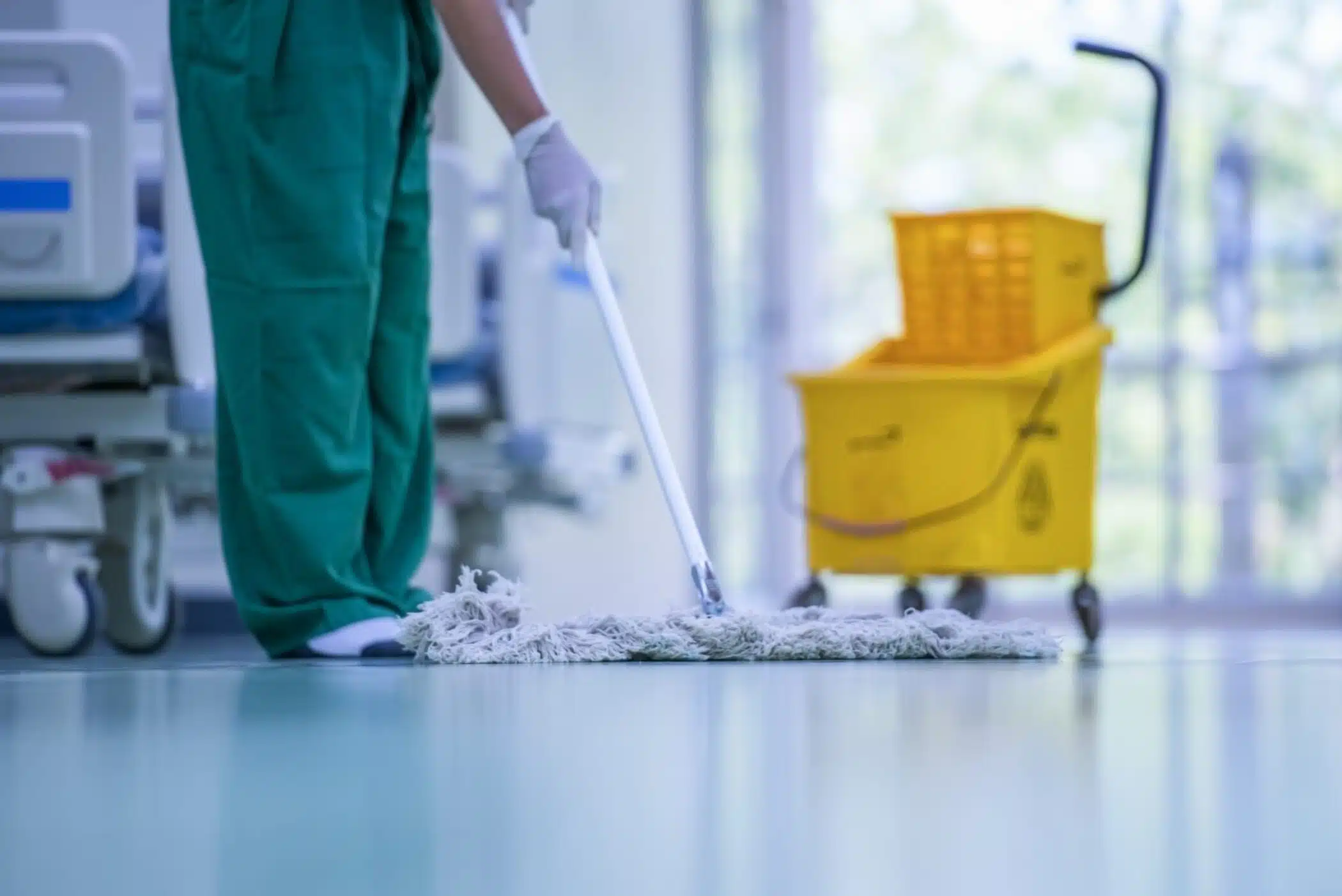
Introduction: The Vital Role of Hospital Cleaners
Hospital cleaners are frontline defenders against healthcare-associated infections (HAIs). According to the CDC, HAIs affect approximately 1 in 31 hospital patients daily in the U.S. alone. By meticulously cleaning and disinfecting high-touch surfaces, managing hazardous waste, and maintaining sterile environments, these professionals safeguard patients, staff, and visitors. Their contributions go beyond hygiene—they also organize supplies, support patient comfort, and help healthcare systems run smoothly.
Core Responsibilities of Hospital Cleaners
Hospital cleaners perform a diverse set of tasks that require both physical stamina and attention to detail. Key duties include:
Surface and Equipment Disinfection
Cleaners disinfect frequently touched surfaces such as door handles, bed rails, medical devices, and patient beds. This step is critical to prevent cross-contamination and ensure sterile conditions for procedures.
Floor Maintenance
Specialized equipment is used to clean and disinfect floors in high-traffic areas like operating rooms, emergency departments, and ICUs. This reduces pathogen buildup and falls risks.
Waste Management
Biohazardous and medical waste must be handled following strict protocols. Cleaners safely dispose of sharps, contaminated materials, and other hazards, protecting everyone from exposure.
Restocking Supplies
Many cleaners replenish gloves, masks, disinfectants, and other essentials, ensuring healthcare workers have uninterrupted access to necessary tools.
Patient Support
In some facilities, cleaners assist with delivering meals, water, and amenities, and provide friendly interactions that enhance patient well-being.
How to Become a Hospital Cleaner
Entering this field is accessible and rewarding. Here is a step-by-step overview:
Education Requirements
A high school diploma or equivalent is typically required. Basic knowledge of hygiene and sanitation is beneficial.
On-the-Job Training
Hospitals provide training on infection control protocols, proper use of cleaning agents, and operation of specialized equipment.
Certifications (Optional but Valued)
Infection Control Training – Focuses on disease prevention strategies.
Hazardous Waste Management Certification – Covers safe handling and disposal of biohazardous materials.
Essential Soft Skills
Attention to detail, time management, and teamwork are highly valued. Cleaners often work independently or as part of a crew.
Work Environment and Benefits
Hospital cleaners enjoy flexible scheduling due to 24/7 operations. Options include morning, evening, overnight, part-time, and full-time roles. Many employers offer:
Accommodation (especially in rural areas)
Health insurance and paid vacation
Competitive pay with potential for overtime
Job Demand and Growth
The U.S. Bureau of Labor Statistics projects employment for janitors and cleaners (including healthcare) to grow 6% from 2021 to 2031, as fast as the average for all occupations. The COVID-19 pandemic underscored the critical need for rigorous cleaning, further driving demand.
A Typical Day: Time Allocation in an 8-Hour Shift
| Task | Percentage of Time |
|---|---|
| Surface and Equipment Cleaning | 40% |
| Waste Management | 20% |
| Floor Disinfection | 15% |
| Restocking Supplies | 10% |
| Patient Support Activities | 15% |
This breakdown highlights the diversity of responsibilities, requiring both physical and organizational skills.
Challenges and Rewards
Challenges
Physical Demands: Heavy lifting, long hours on feet, repetitive motions.
Health Risks: Exposure to infectious diseases and hazardous materials; mitigated by proper training and PPE.
Emotional Impact: Working near very ill patients can be emotionally taxing.
Rewards
Many cleaners find deep satisfaction in knowing their work directly saves lives and improves patient outcomes. The job offers a sense of purpose and tangible impact on public health.
Career Advancement Opportunities
Hospital cleaning can lead to other healthcare roles with additional training:
Sanitation Supervisor – Oversee cleaning teams and ensure protocol compliance.
Healthcare Support Worker – Assist medical staff with basic patient care.
Specialized Cleaning Roles – Focus on infection control or hazardous waste management.
The field provides a stable career path with room for growth.
Conclusion: Why Consider a Hospital Cleaning Job?
Hospital cleaner jobs offer stability, flexibility, and the chance to make a real difference. With competitive benefits, career development opportunities, and a growing demand, this role is an excellent choice for those who value contributing to healthcare and public safety. If you are looking for meaningful work that is both challenging and rewarding, hospital cleaning may be the right path for you.