Human Augmentation: Technologies, Ethics, and a Path to Inclusive Progress
Exoskeletons, BCIs, and sensory implants are redefining human potential. This article explores the technologies, ethical challenges, and path to an inclusive augmented future.
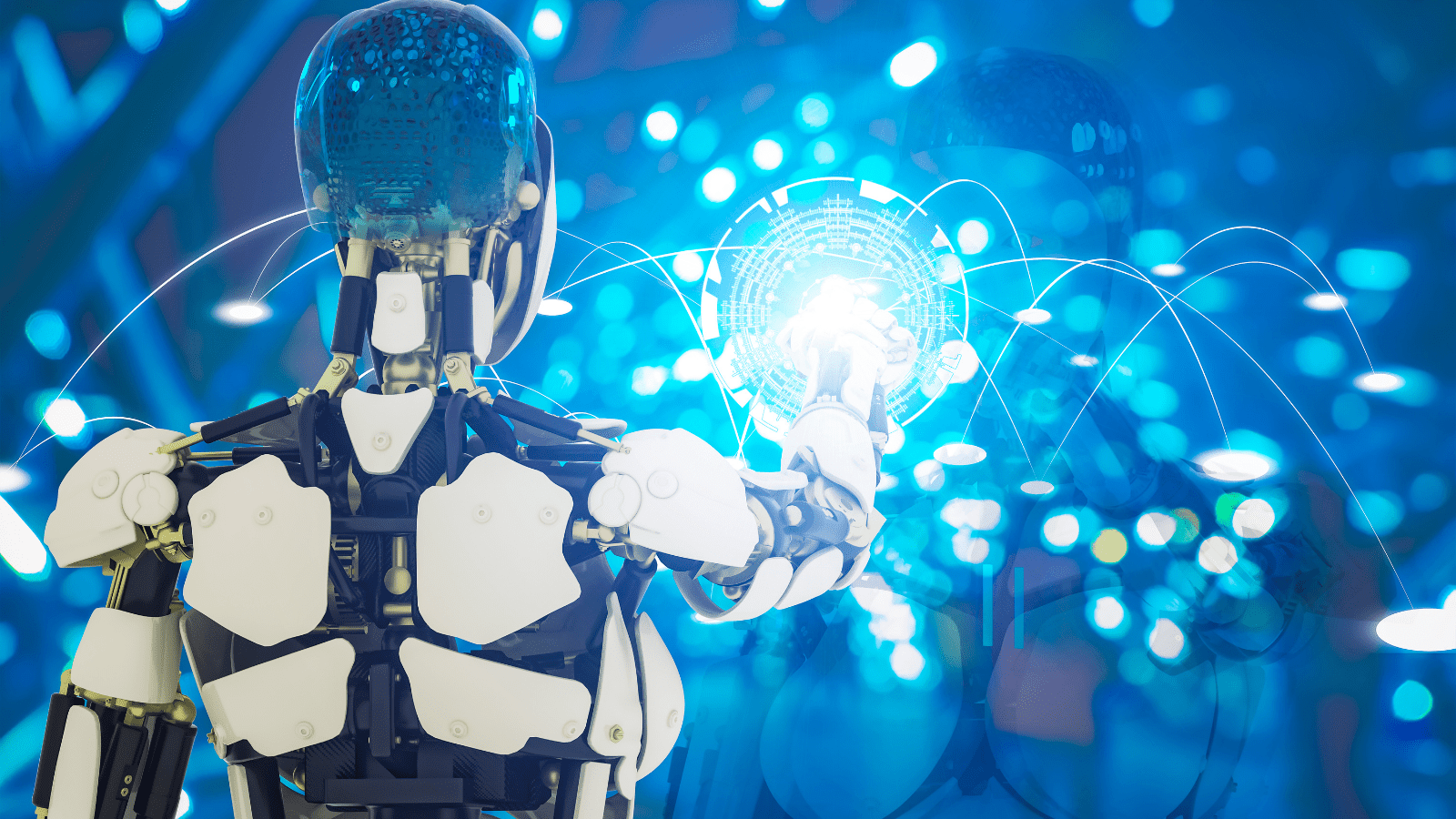
Technologies Reshaping Human Capabilities
The convergence of biology and technology is blurring the lines between natural and enhanced abilities. From restoring lost functions to surpassing normal limits, emerging tools are redefining what it means to be human. This transformation spans physical, cognitive, and sensory domains, each raising unique possibilities and challenges.
Physical Augmentation: Exoskeletons and Prosthetics
Wearable robotic systems like those from ReWalk Robotics are enabling individuals with spinal cord injuries to stand and walk. These exoskeletons use motorized assistance and intention-sensing algorithms to mimic natural gait, reducing injury risk in industrial settings as well. Similarly, advanced prosthetics such as Open Bionics' Hero Arm integrate with the user's nervous system for intuitive control and even sensory feedback. Such devices are not only restoring mobility but challenging societal perceptions of disability, fostering a more inclusive definition of ability.
Cognitive Enhancement: Brain-Computer Interfaces and Pharmaceuticals
Brain-computer interfaces (BCIs) enable direct communication between neural activity and digital systems. For individuals with severe paralysis, BCIs can control computers or robotic limbs through thought alone. Beyond medical applications, cognitive enhancers like Modafinil are used by healthy individuals to boost focus, raising ethical debates about fairness, long-term safety, and the nature of merit. These technologies push the boundaries of mental performance while highlighting the need for responsible governance.
Sensory Expansion: Cochlear Implants and Beyond
Cochlear implants have transformed hearing restoration, yet they also intersect with cultural identity—particularly within Deaf communities where deafness is a valued trait. Sensory technologies extend perception beyond natural limits, prompting discussions about identity, inclusion, and the definition of normalcy. As these tools become more common, society must navigate the tension between medical benefit and cultural respect.
Ethical Imperatives for an Augmented Society
As augmentation technologies mature, ethical considerations must guide their development and deployment. The potential to widen social divides, compromise privacy, and embed bias demands proactive measures.
Fairness and Equitable Access
The risk of a new class divide—between the augmented and unaugmented—is real. To prevent exacerbating existing inequalities, strategies such as subsidized healthcare, inclusive policies, and community-based distribution models are essential. Technologies must be accessible across income levels and geographies, ensuring that enhancement does not become a privilege of the few.
Privacy and Autonomy in Connected Bodies
BCIs and sensory implants collect intimate neural and physiological data. Without robust security frameworks, this information could be misused or accessed without consent. Users must retain control over their own data, and informed consent processes must be clear and enforceable. Protecting autonomy means designing systems that prioritize user agency and transparency.
Combating Bias in Augmentation Technologies
Algorithms powering prosthetics, BCIs, and diagnostic tools can inherit biases from non-diverse training data. In medical contexts, this can lead to misdiagnosis or ineffective treatments for minority populations. Developers must intentionally include diverse datasets, conduct ongoing audits, and involve affected communities in design. Fair representation from the start reduces the risk of perpetuating systemic inequalities.
Conclusion: Toward an Inclusive Augmented Future
Human augmentation holds immense promise—from restoring abilities to expanding what humans can achieve. Yet realising this promise requires more than technological progress; it demands careful ethical stewardship. By addressing equity, privacy, and bias, we can build a future where augmentation serves everyone, not just the few. The journey ahead will challenge our definitions of identity, capability, and fairness, but with intentional design, it can lead to a more inclusive and empowered society.
Q&A
What are Brain-Computer Interfaces and how do they work?
Brain-Computer Interfaces (BCIs) connect the brain directly to external devices. Electrodes on the scalp or implanted in the brain detect neural signals, which are translated into commands for computers, prosthetics, or other tools. BCIs are used in medical rehabilitation to restore movement for paralyzed individuals and enable device control for those with severe disabilities.
How do exoskeletons assist individuals with mobility impairments?
Exoskeletons are wearable robotic frames that support and amplify movement. They replicate natural limb motion, providing strength and stability. In rehabilitation, they help patients regain walking ability through controlled, repetitive exercises. In industry, they reduce injury risk by supporting heavy lifting and repetitive tasks.
In what ways can sensory enhancement technologies benefit users?
Sensory enhancements restore or augment senses such as hearing or vision. Cochlear implants provide hearing to deaf individuals, while visual prosthetics (e.g., retinal implants) can restore partial sight. These technologies increase independence, improve quality of life, and help users interact more fully with their environment.
What are the potential ethical implications of cognitive enhancement technologies?
Cognitive enhancements—whether pharmaceutical (e.g., Modafinil) or device-based—raise concerns about fairness, access, and long-term effects. They could create competitive advantages for those who can afford them, and alter personal identity. There are also risks of misuse in academic or professional settings. Clear regulations and equitable distribution are needed to mitigate these issues.
How do prosthetic limbs integrate with the human body to improve functionality?
Modern prosthetic limbs use sensors and microprocessors to detect muscle signals or neural impulses, translating them into movement. This allows for natural, precise control. Advanced models provide sensory feedback, restoring some sense of touch. The integration improves daily function, independence, and overall quality of life.