Advanced Facial Laser Treatments: Science, Safety & Personalized Care Guide
Synergistic healing and precision wavelengths enable safer facial laser skin rejuvenation with personalized care.
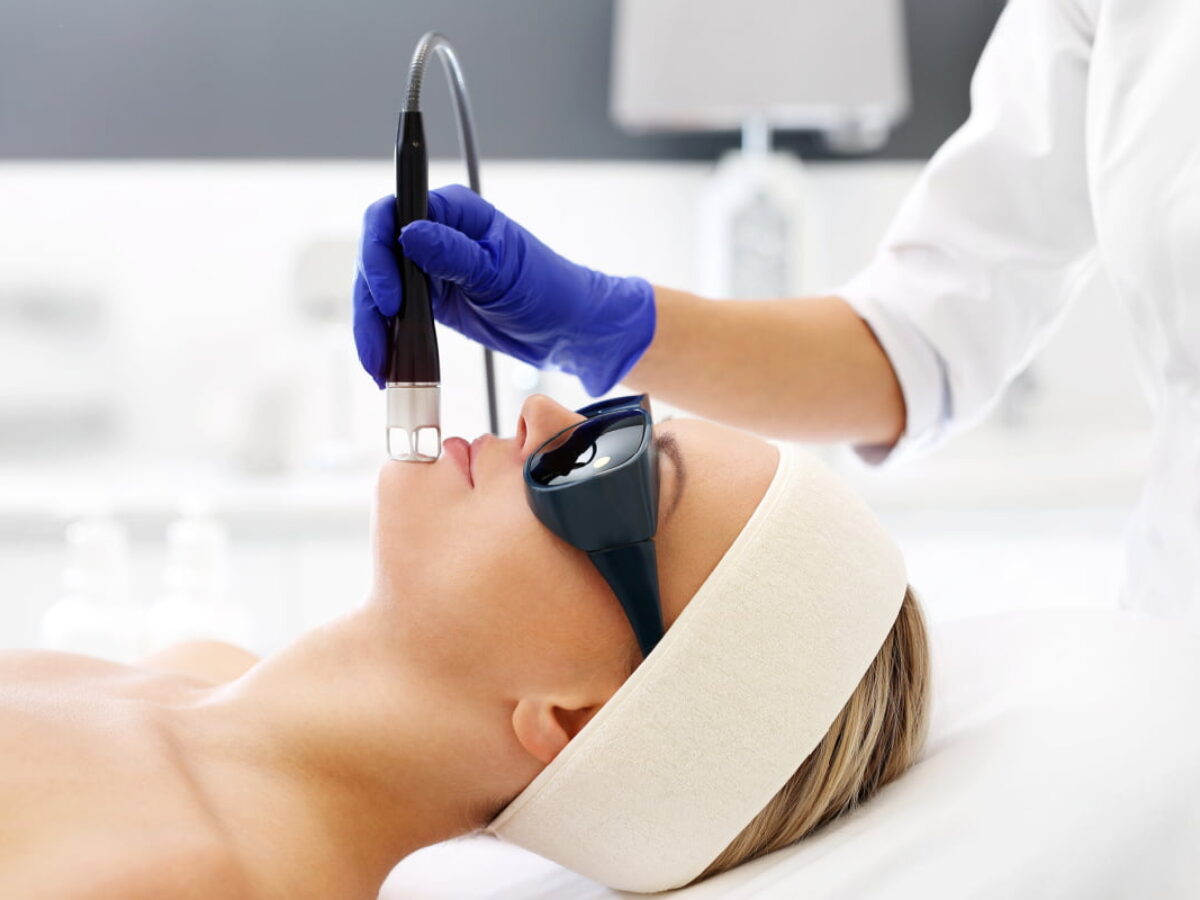
How Facial Lasers Work: The Science Behind Modern Skincare
Modern facial laser clinics are leveraging a deep understanding of physics and biology to deliver safer, more effective skincare. Instead of relying on a single approach, these treatments combine targeted energy with advanced topical science to enhance results. The key lies in how laser energy interacts with the skin's natural healing processes, stimulating collagen production and improving texture without unnecessary damage.
Synergistic Healing with Topical Agents
One of the most exciting advancements is the use of biologically synergistic regimens. Nonablative fractional lasers are now paired with post-procedure formulations containing ingredients like hydroxypropyl tetrahydropyrantriol (HPT) and niacinamide (NAM). Immediately after treatment, these compounds elevate proangiogenic growth factors, boosting skin resurfacing and healing across all skin types. While redness and swelling may appear standard during the first two weeks, this combination therapy delivers superior anti-aging benefits that become visible later in recovery, improving texture and overall skin health.
Precision Wavelengths for Targeted Concerns
Laser hardware has become incredibly precise. The 577 nm Pro-yellow laser, for example, offers an efficient solution for rosacea-related redness by targeting problem areas with minimal side effects. Similarly, picosecond lasers are being refined with adjusted energy settings to handle pigmentation and texture more effectively. These advancements allow practitioners to customize treatments for even tone and long-term pigmentation reduction while respecting the skin barrier.
Choosing the Right Laser Clinic
Selecting a clinic requires more than a quick search. Safety and results depend on the expertise of the team and the technology they use.
Expertise and Personalized Care
Prioritize facilities supervised by board-certified dermatologists or physicians. These experts provide evidence-based protocols and personalized plans tailored to your skin type and medical history. Professional guidance reduces the risk of adverse reactions and maximizes the benefits of skin rejuvenation.
Technology and Safety Standards
Verify that the clinic uses medically approved lasers such as Alexandrite, Nd:YAG, or Diode. For individuals with darker skin tones (Fitzpatrick IV–VI), an experienced provider with modified settings is essential to avoid hyperpigmentation. High-quality clinics feature advanced safety features like built-in cooling systems and real-time energy feedback, minimizing thermal damage and ensuring comfort.
Risks, Recovery, and Long-Term Results
Understanding the recovery process and potential risks helps balance aesthetic goals with safety. Different energy-based devices have distinct risk profiles.
Understanding Risk Profiles
Higher-intensity treatments often require longer recovery and careful management. Ablative lasers can cause scarring or delayed healing if not handled properly. Pigmentation changes are more common in darker skin types, making test spots and lower energy settings vital. The table below summarizes key risks and mitigation strategies.
| Treatment Type | Risk | Mitigation |
|---|---|---|
| Ablative lasers | Scarring, delayed healing | Conservative energy, skilled operator |
| CO₂, Er:YAG, IPL | Pigmentation changes | Test spots, sun protection |
| RF microneedling | Volume changes | Conservative parameters, follow-up |
| Invasive resurfacing | Infection | Aseptic technique, monitoring |
| Laser/IPL | Pain, redness | Cooling, analgesia |
Optimizing Comfort
Modern dermatology uses laser-assisted drug delivery to anesthetize and soothe during procedures, reducing pain and swelling. Combining energy treatments with hyaluronic acid restores hydration instantly, smoothing fine lines and boosting elasticity. These integrated approaches minimize downtime and extend the structural benefits of laser treatment.
Comparing Diode and Nd:YAG Lasers
Selecting the correct wavelength is critical for safety, especially for diverse skin tones. Diode lasers (≈810 nm) are versatile for light to medium skin (Fitzpatrick II–IV), while Nd:YAG lasers (1064 nm) penetrate deeper with less melanin absorption, making them the gold standard for darker complexions (Fitzpatrick IV–VI). Each has specific treatment considerations: Diode may be less effective on fine or light hair, while Nd:YAG requires individualized session planning.
Expert Resources and Q&A
Accessing professional knowledge ensures informed decisions. Leading clinics combine technologies for enhanced comfort and tailor treatments to your skin type. By consulting with experts who use advanced diagnostic tools, you can confidently choose a path that balances powerful results with your lifestyle.
Q: What is the primary purpose of facial lasers?
A: To combine physics and biology for safer, more effective skincare that goes beyond traditional resurfacing, improving texture and delivering long-term anti-aging benefits.
Q: How can I evaluate laser options?
A: Look for board-certified supervision, approved technology (Alexandrite, Nd:YAG, Diode), and personalized plans based on skin type and risks.
Q: What long-term considerations exist?
A: Higher-intensity treatments need careful management to avoid scarring or pigmentation changes. Advanced recovery protocols can enhance comfort and extend results.
Q: How do Diode and Nd:YAG compare?
A: Diode works best for light to medium skin; Nd:YAG is safer for darker complexions and effective on coarse hair. Both are tailored for individual needs.
Q: Where can I find more expert resources?
A: Consult clinics that integrate diverse technologies and prioritize personalized care. Professional guidance ensures safe, effective treatments.