Solar Panel Guide: Providers, Installers, Battery Storage & Incentives in Australia (2025)
Discover top solar panel providers and installers in Australia. Learn about battery storage, incentives, community batteries, VPPs, and how to choose the right system.
Why Solar Power Is Booming in Australia
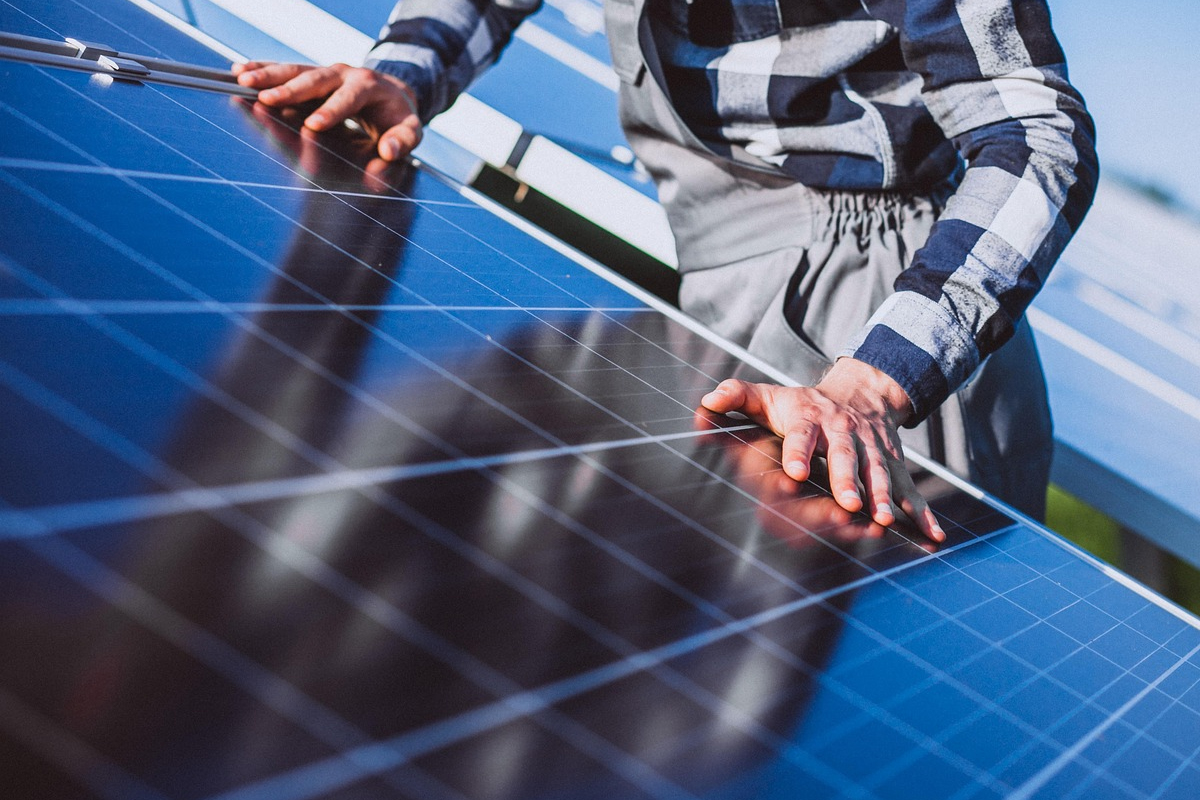
Across Australian suburbs, rooftops are increasingly covered with photovoltaic panels. What started as a niche addition is now a mainstream feature, driven by the country's abundant sunshine. Instead of letting that solar radiation heat roof tiles, households capture it to generate electricity. This shift goes beyond lowering bills—it provides energy security and a sense of self-sufficiency. With long daylight hours, Australia is perfectly suited for solar technology to thrive.
Redefining Energy Consumption Habits
Adopting solar changes how families use electricity. Traditionally, running heavy appliances at night saved money due to off-peak rates. But with solar, the middle of the day—when generation peaks—becomes the ideal time for energy-intensive tasks. Homeowners now set delay timers on washing machines before leaving for work, or schedule housekeeping during daylight hours on weekends. This alignment of consumption with generation makes energy management a smart game: checking an app to see a 5 kW production spike and deciding to run the air conditioner. The whole family becomes more conscious of resource use, not through frugality but through smart utilisation of natural abundance.
Battery Storage: The Key to Energy Independence
Solar panels have a limitation—no power at night or during heavy rain. But residential battery storage is solving that puzzle. Excess energy generated during the day is stored in a battery unit, then used after sunset. Beyond daily cycles, batteries provide critical security against blackouts and extreme weather. In an era of occasional grid instability, a battery keeps the fridge running and phones charged even when the street goes dark. This transforms a home into a resilient energy hub.
Estimated Solar & Battery ROI in NSW (2025 Projections)
| System Configuration | Est. Annual Generation | Self-Consumption Rate | Est. Annual Savings | Payback Period (Approx) |
|---|---|---|---|---|
| 6.6 kW Solar Only | 9,200 kWh | 25% – 30% | $1,100 – $1,300 | 3 – 4 Years |
| 6.6 kW Solar + 10 kWh Battery | 9,200 kWh | 70% – 85% | $2,100 – $2,500 | 7 – 9 Years |
| 10 kW Solar + 13.5 kWh Battery | 14,000 kWh | 65% – 80% | $3,000 – $3,600 | 6 – 8 Years |
Source: Clean Energy Council of Australia "State of the Industry Report" (2024). The table shows that solar-only systems have faster payback due to lower entry costs, but adding a battery dramatically increases self-consumption—the key to long-term savings as electricity prices rise faster than feed-in tariffs.
Community Batteries and Solar Sharing
Individual batteries are expensive and space-consuming. Community batteries—medium-to-large storage units installed in public spaces—serve multiple households. Renters, or homes with shading issues, can "rent" capacity in the community battery. Excess solar flows into this shared asset during the day, and at night households draw it back as a credit. This lowers the barrier to entry and helps stabilise the grid by absorbing midday voltage spikes. Trials are rolling out across Australian suburbs, shifting from individual survival to community resilience.
Similarly, solar sharing technology is unlocking benefits for apartments and strata schemes. New hardware allows a single rooftop system to distribute energy to multiple meters. Advanced inverters and monitoring ensure fair billing. Common areas like lifts, hallway lighting, and pools become solar-powered, reducing strata levies. Company incentives for medium-density housing are accelerating this trend, letting landlords increase property appeal and tenants access renewable energy previously out of reach.
Virtual Power Plants (VPPs)
An individual home battery is small, but thousands connected digitally create a Virtual Power Plant (VPP). An aggregator coordinates participating batteries. When the grid is stressed during a heatwave, the VPP commands batteries to discharge simultaneously, supporting the network without gas peaker plants. Households are financially rewarded—upfront discounts or bill credits—for allowing access to stored energy a few times a year. This turns homeowners from passive consumers into active participants in the national energy market.
Economic Incentives and Feed-in Tariffs
Generating your own power reduces electricity imports, insulating households from price volatility. Excess energy sent to the grid earns a feed-in tariff (FiT), which offsets supply charges and night-time use. To maximise returns, understanding government incentives is crucial. The Small-scale Renewable Energy Scheme (SRES) provides an upfront discount based on expected generation, calculated as Small-scale Technology Certificates (STCs).
Federal Solar Incentive Zones & STC Value Estimates (2025)
| Zone | Location Examples | STC Multiplier | Est. Subsidy for 6.6 kW System |
|---|---|---|---|
| Zone 1 | Alice Springs, Tennant Creek | 1.622 | $3,600 – $3,900 |
| Zone 2 | Darwin, Broome | 1.536 | $3,400 – $3,700 |
| Zone 3 | Sydney, Perth, Brisbane, Adelaide | 1.382 | $2,900 – $3,200 |
| Zone 4 | Melbourne, Hobart, Canberra | 1.185 | $2,400 – $2,700 |
Source: Clean Energy Regulator "Small-scale Renewable Energy Scheme Guidelines" (2025). Residents in Zone 3 (including Greater Sydney) receive substantial subsidies, making ROI highly attractive.
Choosing a Local Solar Installer
While solar technology is global, installation is intensely local. Success depends on installers who understand the micro-climate and housing stock—shading from native gum trees, street orientation, and council regulations. Regional specialists design systems that account for roof pitch, wind loading, and future-proofing for electric vehicles. They act as energy consultants, helping navigate VPP offers, inverter choices, and battery options. As suburbs electrify—replacing gas heating and petrol cars—the installer becomes a long-term partner, building the new grid from the bottom up with reliable, high-quality workmanship.
Frequently Asked Questions About Solar in Bungarribee
What are the benefits of choosing local solar panel companies in Bungarribee? Local companies understand the area's climate and energy needs, offer personalised service, quicker maintenance response, and knowledge of local regulations and incentives. This streamlines installation and ensures tailored solutions.
How do solar installation companies in Australia ensure quality and compliance? Reputable installers follow Clean Energy Council (CEC) guidelines, use accredited products, and provide warranties. Choosing a CEC-accredited installer guarantees qualified professionals who stay current with industry standards.
What factors should I consider when selecting a solar installer in Bungarribee? Look for reputation, customer reviews, industry experience, and CEC accreditation. Assess the range of services including support and maintenance. Get multiple quotes to compare pricing and offerings.