Affordable Senior Housing Guide: Location Strategies, Downsizing, Rent vs Buy, & Subsidies
Discover how to find affordable senior housing through geographic flexibility, downsizing, renting, and government subsidies. Tips for safety, community, and cost management.
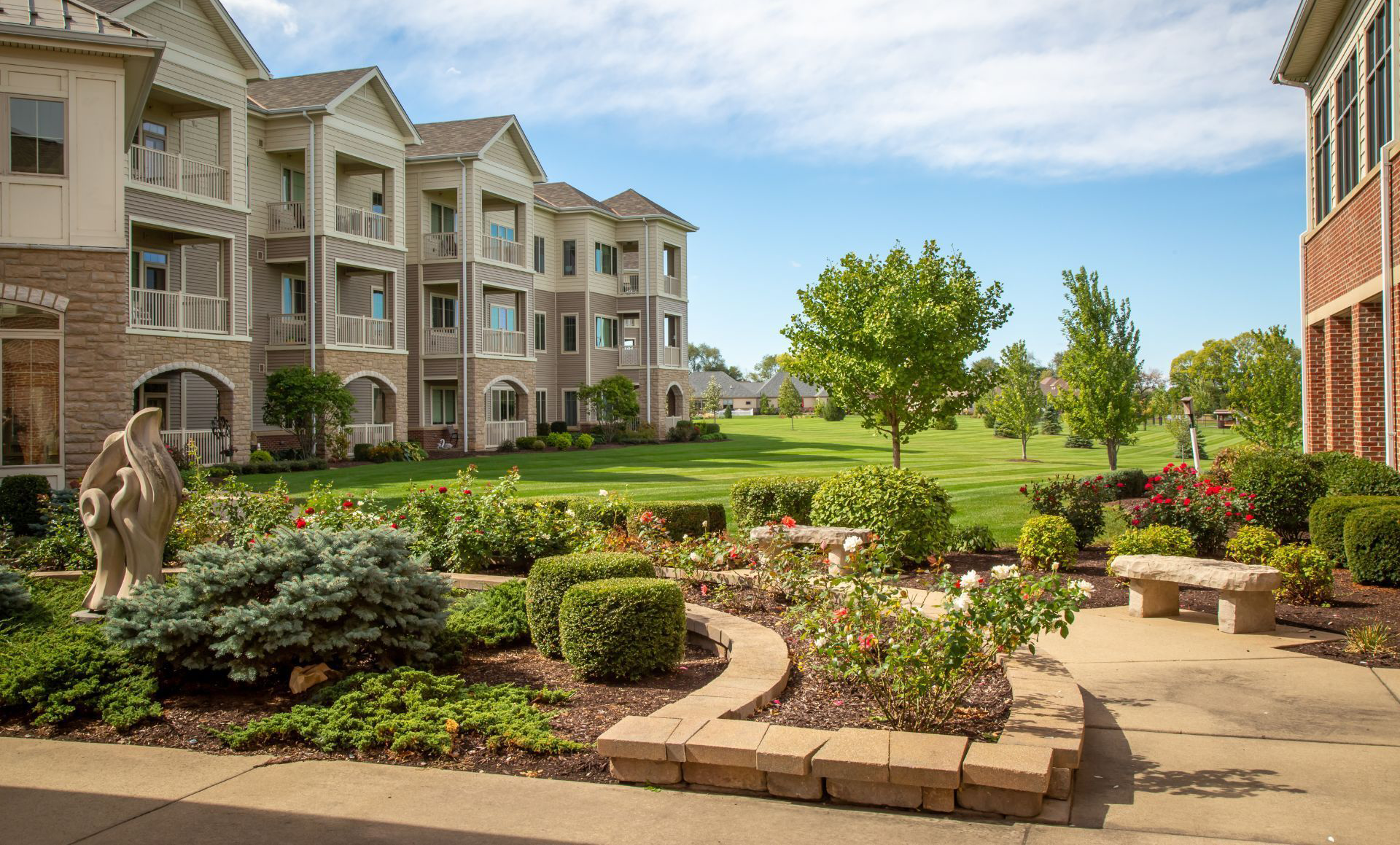
Overview of Affordable Senior Housing
Securing safe, dignified, and affordable housing is a top priority for older adults on fixed incomes. The challenge is real, but a combination of smart location choices, downsizing, renting vs. owning, and leveraging government subsidies can make it manageable. This guide lays out practical strategies for retirees and near-retirees to find cost-effective living arrangements without sacrificing comfort or safety.
Geographic Flexibility and Cost Management
Escaping Expensive Areas
Major metropolitan hubs and famous coastal resort towns often carry a premium cost of living. By shifting focus to mid-sized cities, suburbs, or small towns within commuting distance of urban centers, retirees can dramatically reduce monthly rent or purchase prices. Many of these secondary markets offer excellent amenities—shopping, parks, cultural activities—at a fraction of the cost. This geographic arbitrage frees up money for healthcare, travel, and savings.
The Power of Downsizing
A large family home becomes a financial and physical burden in retirement. Downsizing to a condominium, townhouse, or one-story villa cuts property taxes, utilities, and maintenance expenses. Many smaller units come with association fees that cover exterior upkeep, eliminating sudden repair bills. This frees equity that can be redirected toward quality-of-life needs.
Renting vs. Owning in Retirement
Advantages of Renting
High-quality rental communities designed for middle-income seniors are on the rise. Renting unlocks home equity, providing immediate cash reserves and eliminating down payment stress. Multi‑unit senior rentals often feature built‑in social events, safety rails, emergency call systems, and maintenance‑free living. They foster a close‑knit community where neighbors look out for one another. Renters also avoid property management hassles and can move more easily if needs change.
Maintenance‑Free Ownership
For those who want equity appreciation without yard work, active adult communities with HOAs are a compelling option. Homeowners own the structure (or interior) while the association maintains grounds, exterior, and snow removal. These homes typically have open floor plans, main‑floor master suites, and smart technology. However, market timing is crucial: demand and interest rates can push prices high. A prudent entry is to start with a modest unit within the community and trade up later.
Safety, Accessibility, and Social Connection
Aging‑in‑Place Design
Future‑friendly housing goes beyond no stairs. Look for wide doorways (for walkers or wheelchairs), step‑free showers, and reinforced walls for grab bars. These features preserve independence even as mobility changes. Non‑intrusive monitoring systems that detect falls or inactivity are becoming standard, and a robust emergency evacuation plan is a must.
Building Community
Social isolation is a serious health risk for older adults. Choose housing with vibrant common areas—lounges, gardens, activity rooms—that encourage organic interaction. Many developments offer wellness programs, hobby clubs, and social mixers. A community where residents feel welcome to connect reduces loneliness and supports mental health.
Government Support and Subsidies
Rental Assistance Programs
Low‑income seniors should explore federal and state subsidies such as the Section 8 Housing Choice Voucher Program, which caps rent at 30% of income. Project‑based subsidies keep rent below market in designated senior buildings. Vouchers tied to the individual allow more freedom of choice. Many programs are age‑restricted (e.g., 62+) and income‑limited.
Grants for Modifications and Utilities
Some programs cover home modifications (ramps, grab bars) or in‑home supportive services to prevent institutionalization. Utility assistance and prescription cost caps can further stretch a fixed income. Local housing authorities and non‑profits provide application guidance.
Frequently Asked Questions
What are the benefits of renting 55 and over apartments near me?
Renting in an age‑restricted community offers amenities like safety rails, emergency call systems, and activity centers tailored to older adults. Maintenance‑free living eliminates yard work and repairs, and the social atmosphere combats isolation.
How can seniors with low income find affordable houses for rent?
Apply for government‑assisted programs such as Section 8 vouchers or local rental assistance grants. Contact your local housing authority or non‑profit organizations that maintain lists of subsidized senior rentals.
What should I consider when looking for 62+ apartments near me?
Evaluate location relative to healthcare, public transit, and grocery stores. Check safety features, community services, and social activities. Review lease terms, affordability, and any age or income restrictions.
What is the difference between retirement property for sale and retirement community homes for sale?
Retirement property for sale is typically an individual home or condo designed for seniors but not part of a planned community. Retirement community homes are within a development that offers shared amenities like clubhouses, pools, and organized events.
How can I find suitable seniors apartments near me?
Use online real estate platforms and senior living directories that filter by age restrictions, amenities, and budget. Visit local senior centers or consult a real estate agent specializing in senior housing for personalized recommendations.