How Digital Tools Are Transforming Teen Depression Screening: Accuracy, Access, and Impact
Online depression tests improve early detection but need professional follow-up. Digital screening reshapes adolescent mental health.
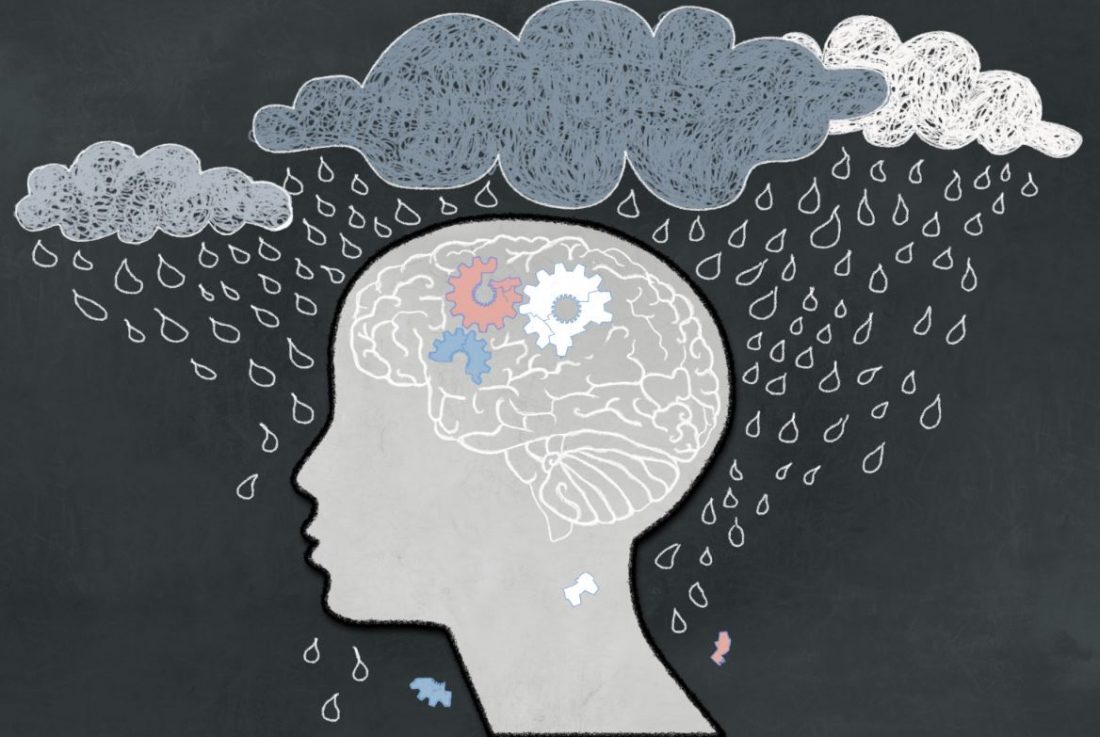
Digital Platforms Redefine Teen Depression Screening
Teenage depression screening has entered a new era. Online tests, machine learning tools, and digital therapy platforms are making mental health care more accessible and personalized than ever. But how accurate are these tools, and what role should they play in a teen's mental health journey? This article explores the digital shift, its benefits, limitations, and the future of adolescent mental health support.
Early Intervention Through Digital Access
Traditional barriers like stigma, cost, and location often prevent teenagers from seeking help. Digital screening removes these obstacles by offering private, immediate assessments. Machine learning models, such as those built with Python's scikit-learn, now predict depression risk with around 75% accuracy using multidimensional data, proving scalable early screening is viable even in low-resource settings. This early detection is crucial: catching symptoms early leads to better outcomes and prevents escalation.
Accuracy and Limitations of Online Tests
Many online depression tests incorporate validated clinical tools like the PHQ-9, used in internet-based Cognitive Behavioral Therapy (iCBT) programs. This standardization boosts reliability. However, these are self-assessments; their accuracy hinges on a teen's honesty and self-awareness. Teens may under- or over-report symptoms, as studies in Frontiers in Psychology note. Additionally, factors like physical activity and overall well-being influence mental health, so a comprehensive evaluation must consider lifestyle and relationships. Online tests are useful screening tools but cannot substitute a professional diagnosis. They should be followed by clinical interviews and family history review.
From Screening to Treatment: Digital Pathways
Digital tests do more than identify problems—they open doors to effective interventions.
Streamlining Access to Care
Online assessments provide a private starting point. After screening, teens can be guided to appropriate professional help. The iCBT project exemplifies this: young adults with mild to moderate depression receive structured therapy online with therapist oversight, demonstrating how digital screening streamlines mental health provision nationally.
Personalized and Proactive Interventions
Once a concern is flagged, digital platforms tailor interventions. Personalized feedback, interactive modules, and gamified elements engage teens. Therapists can craft treatment plans based on standardized scales and emotional state profiles. Regular monitoring through self-rated scales tracks resilience and progress, allowing adjustments. Self-help tools like CBT-focused apps also empower teens to take initial steps, though professional care remains essential for severe cases.
Bridging Accessibility Gaps
Making depression screening available to all teens, regardless of location or income, is a priority.
Telehealth and At-Home Screening
Telehealth breaks down geographic and financial barriers. Teens in rural or underserved communities can access assessments from home using validated tools. This privacy encourages more young people to seek help.
School-Based and Community Programs
Schools are natural settings for mental health screening. Integrating digital tests into school health programs reaches more adolescents and creates a supportive environment. Community outreach campaigns, in partnership with youth organizations, further promote mental health literacy and resource availability.
Internet-Based Cognitive Behavioral Therapy (iCBT)
iCBT offers interactive modules and guided sessions online, making therapy accessible where traditional services are scarce. It's particularly effective for teens, adapting to their needs and reducing care disparities.
The Psychological Impact of Quick Testing
Rapid depression tests have both benefits and caveats.
Increased Awareness and Early Detection
Easy-to-use tests prompt self-reflection and early detection, encouraging teens to address mental health concerns before they worsen.
Risk of Misdiagnosis and Anxiety
Quick tests are not definitive. They can produce false positives or negatives, causing unnecessary worry or delayed care. Users might misinterpret results. Therefore, these tests should be seen as preliminary indicators, not diagnoses.
Essential Follow-Up and Support
The most critical takeaway is the need for professional follow-up. After any online screening, a teen should consult a mental health expert for a comprehensive evaluation and tailored treatment plan. Ongoing support ensures that initial screening leads to meaningful improvement.
Frequently Asked Questions
What is a depression test for teens, and why is it important?
A depression test for teens is a psychological assessment tool designed to identify symptoms of depression in adolescents. Early detection and intervention can significantly improve mental health outcomes, helping teens receive appropriate treatment before the condition worsens.
How can a free online depression test be beneficial?
A free online depression test provides an accessible, convenient way to assess mental health without immediate professional consultation. It serves as a preliminary screening to help users understand their emotional state and decide whether to seek further evaluation.
What should you do after taking a depression test?
After taking a depression test, reflect on the results and consider discussing them with a mental health professional. A professional evaluation is necessary to confirm the diagnosis and explore treatment options tailored to the individual's needs.
How does a quick depression test differ from a comprehensive evaluation?
A quick test consists of a few questions aiming to identify potential symptoms. A comprehensive evaluation involves an in-depth assessment by a professional, including a detailed interview, medical history review, and possibly other diagnostic tests for a complete picture.
Why is mental health awareness important in addressing depression?
Mental health awareness reduces stigma, encourages open discussions, and promotes understanding of the condition. It leads to better support systems, earlier intervention, and a more informed public, ultimately contributing to better mental health outcomes.