Online 3D Design Courses: Benefits, Challenges, Platforms, and Career Paths
Explore online 3D design courses: benefits, challenges, top platforms, career paths, and future trends in remote 3D modeling education.
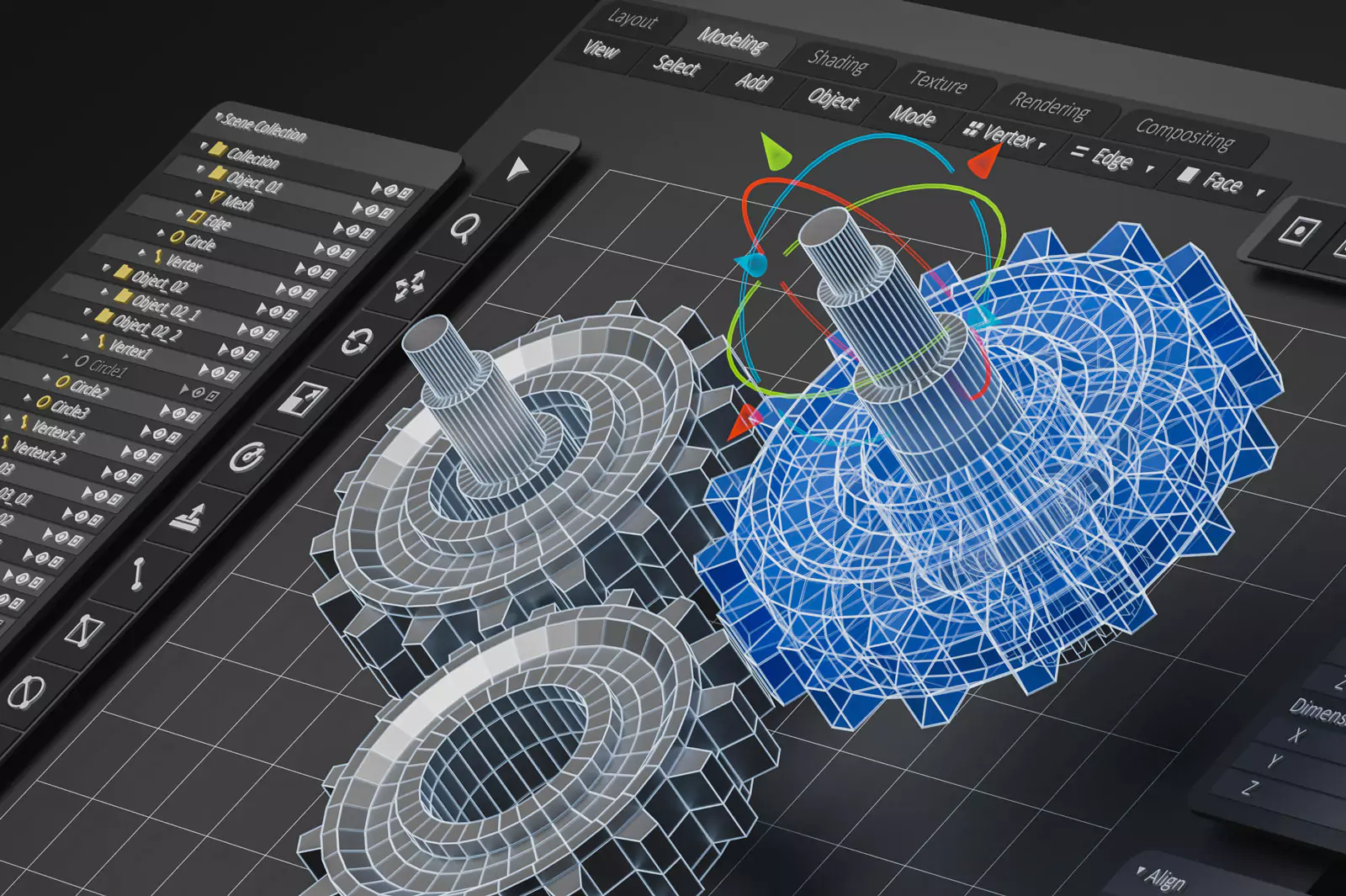
The Growing Demand for 3D Design Skills
As industries from entertainment to manufacturing increasingly rely on realistic visualizations, the need for skilled 3D designers has never been higher. Online 3D design courses offer flexible, accessible training for beginners and professionals alike, allowing learners to study at their own pace while balancing work and personal life.
What Makes a Great Online 3D Design Course?
Comprehensive Curriculum
A well-structured course covers core topics such as vertices, edges, and faces; industry-standard software like Blender, Maya, or AutoCAD; texturing and lighting techniques; and for animation courses, keyframing and rigging.
Interactive Learning Materials
Effective courses combine video tutorials, interactive quizzes, and downloadable project files to cater to different learning styles.
Expert Instructors
Instructors with real-world experience provide up-to-date insights and best practices, helping learners stay current.
Community Support
Forums and peer groups foster collaboration, enabling learners to share feedback and solve problems together.
Top Platforms for Learning 3D Design
| Platform | Course Type | Price Range |
|---|---|---|
| Udemy | Beginner to Advanced | $10 - $200 |
| Coursera | University-Level Certifications | Free - $79/month |
| Skillshare | Creative Classes | $15/month |
| LinkedIn Learning | Professional Development | $29.99/month |
Overcoming Common Challenges
Online learners face technical requirements (adequate hardware and software), self-motivation, and limited face-to-face interaction. Preparing a suitable computer setup, setting a study schedule, and actively participating in online communities can mitigate these obstacles.
Career Opportunities for 3D Designers
Entertainment and Gaming
Animators and modelers create characters, environments, and effects for movies and video games.
Architecture and Interior Design
3D modeling visualizes building designs and interior layouts, helping architects and designers present realistic walkthroughs.
Product Design and Manufacturing
Product designers use 3D software for prototyping; manufacturers create precise molds, streamlining production.
Frequently Asked Questions
What equipment do I need?
A computer with sufficient processing power and compatible graphics card; software requirements vary by course (e.g., Blender, Maya).
How long does it take?
Courses range from a few weeks to six months or more for certifications, depending on depth.
Are there prerequisites?
Beginner courses require none; advanced classes may expect familiarity with basic modeling concepts.
Can I earn certifications?
Yes, many platforms offer completion certificates that boost resumes for animation, game development, and related fields.
The Future of Online 3D Design Education
Emerging technologies are reshaping remote learning:
Augmented Reality (AR) enables virtual interaction with 3D models in real space.
Artificial Intelligence (AI) automates repetitive tasks, boosting productivity.
Virtual Reality (VR) creates immersive collaborative classrooms.
Blockchain provides secure, verifiable credentialing for course completions.