Dental Implants for Seniors: Costs, Funding, and Benefits in 2025
Learn the real costs of dental implants for seniors, including funding options, benefits, and risks. Get a clear guide for 2025.
Understanding Dental Implant Costs for Seniors
Dental implants offer a permanent solution for tooth loss, but the price tag varies widely based on the complexity of treatment. For seniors, additional procedures are often required due to bone loss from years of missing teeth. The table below outlines typical cost ranges for different implant treatments and supplemental procedures.
| Procedure Type | Estimated Cost (USD) | Key Details |
|---|---|---|
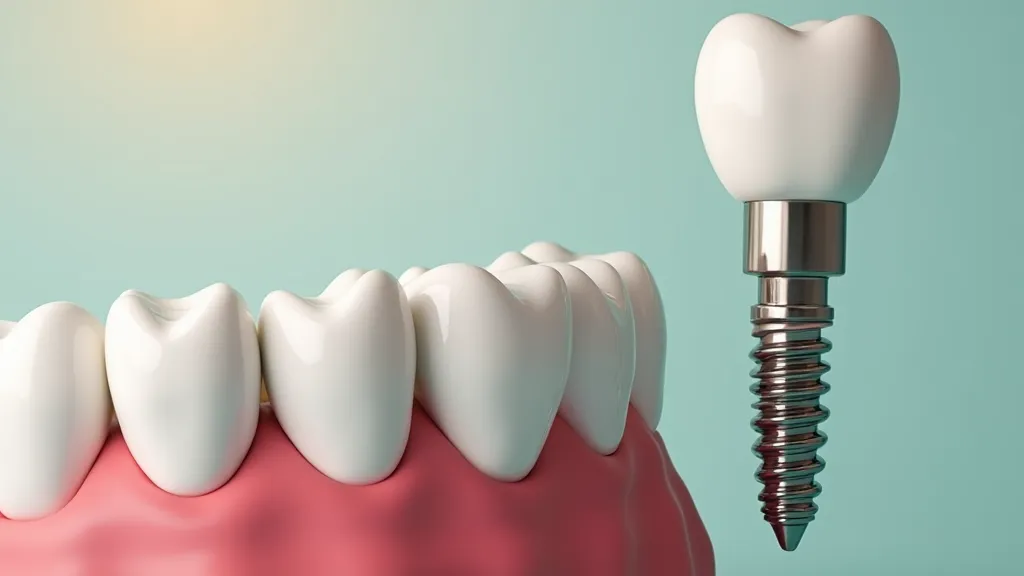
| Single implant | $3,000 – $5,000 | Includes post, abutment, crown |
| Multiple implants | $10,000 – $30,000 | Varies by number and complexity |
| Full-mouth restoration (per arch) | $20,000 – $50,000 | All-on-4 or All-on-6 techniques |
| Bone graft | $500 – $3,000 | Needed when jawbone is insufficient |
| Sinus lift | $1,500 – $5,000 | Often required for upper jaw implants |
Data source: Implant Training Courses (2025). These figures highlight why a personalized consultation is essential—no two cases are alike.
How to Fund Dental Implants in 2025
Traditional Medicare does not cover dental implants. Medicare Advantage plans may offer partial coverage but typically have annual caps of $1,500–$3,000. Standalone dental insurance (e.g., Delta Dental, Humana) costs $30–$70 per month and covers about 50% of major procedures, with annual maximums of $1,000–$2,500. Many seniors use a staged approach, spreading treatment over multiple years to maximize benefits. Third-party financing like CareCredit and dental discount plans provide additional options. Exploring an implant-supported overdenture, which uses fewer implants, can reduce costs while improving stability over traditional dentures.
Benefits and Considerations for Older Adults
Implants restore chewing function, allowing seniors to eat nutritious foods essential for health. They preserve jawbone density, preventing facial collapse and maintaining a natural appearance. Success rates exceed 90% even in older patients, though conditions like diabetes or osteoporosis require careful management. Healing times may be longer, but modern digital planning reduces the need for extensive bone grafting. Financially, the investment is significant, but the long‑term improvement in quality of life—confidence, comfort, and nutrition—often outweighs the initial cost.