Ocean Guardians: From Abyssal Adaptations to Coral Reef Conservation
Discover the ocean's hidden realms, from deep-sea creatures to coral reefs, and learn about climate impacts and conservation strategies for marine ecosystems.
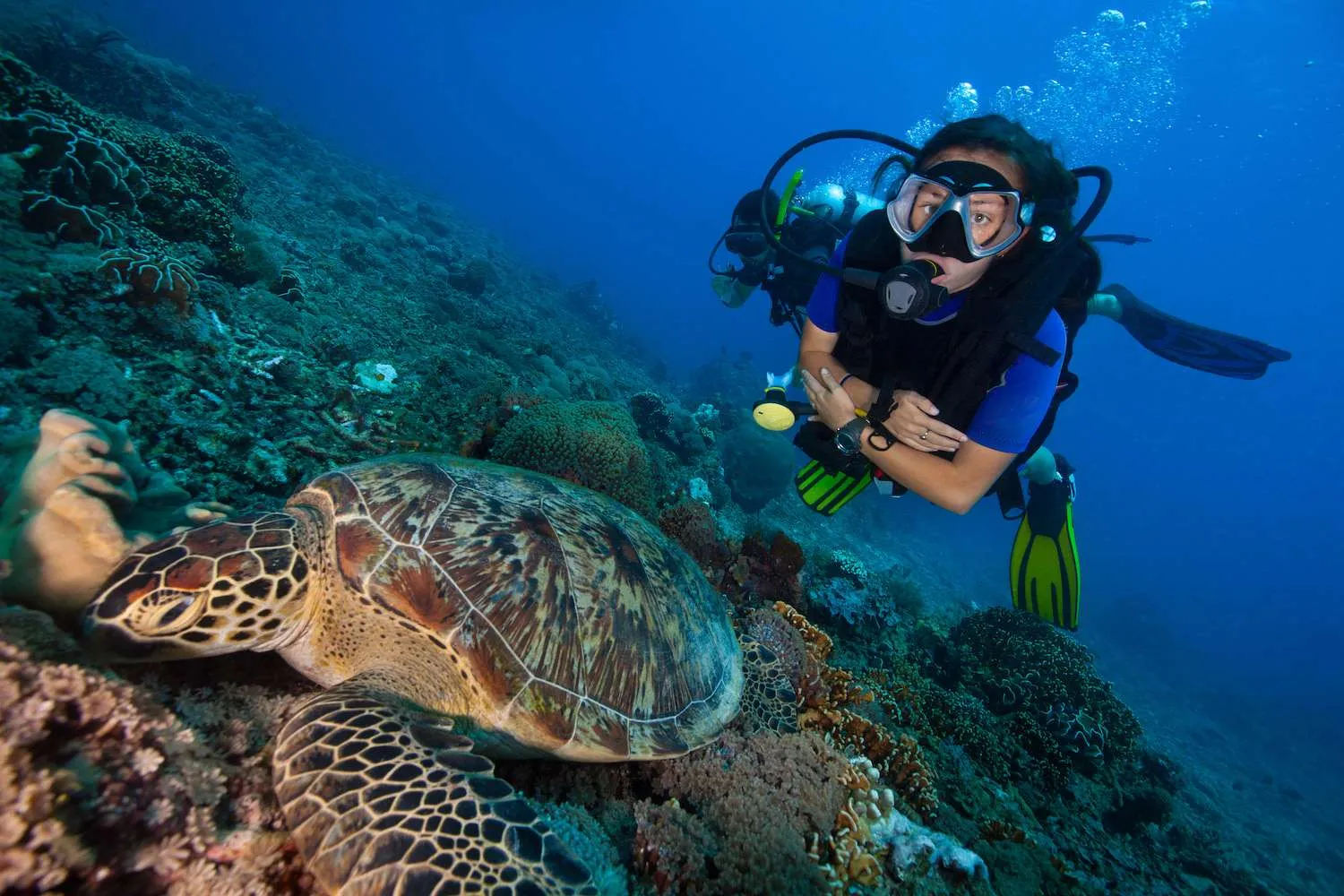
The Ocean's Hidden Worlds
The ocean covers most of our planet, a vast expanse that remains largely unexplored. Within its depths, from sunlit coral reefs to the pitch-black abyss, an extraordinary array of life has evolved unique strategies to survive. Understanding these ecosystems is critical as they face unprecedented challenges from climate change and human activity.
Life in the Abyss
For centuries, the deep ocean was considered a barren desert, but modern explorations have revealed a vibrant realm. In the Mariana Trench, creatures like the snailfish have adapted to immense pressures, developing physiological traits that make them apex predators. Similarly, the carnivorous sponge found in the Southern Ocean uses specialized structures to trap and digest small crustaceans in nutrient-poor waters. Giant squids rely on acute senses to navigate and hunt in total darkness, showcasing the ingenuity of nature.
Each expedition uncovers new species, each contributing to the sprawling biosphere of the deep. These discoveries underscore how interconnected all marine environments are, providing insights into global ecological patterns and the limits of life on Earth.
Survival Strategies in Darkness
Deep-sea organisms employ remarkable adaptations to thrive in extreme conditions. Bioluminescence is a common tool for communication, attracting prey, or deterring predators. Many species have developed non-visual senses to detect subtle water vibrations or chemical traces. Copepods, tiny zooplankton at the base of the food web, are being studied under simulated warming and acidification to understand how future changes may affect marine productivity. These survival strategies highlight nature's inventiveness and the resilience of life.
Microscopic Foundations: Plankton and Their Global Impact
Although tiny, plankton are the engine of the ocean. Phytoplankton perform photosynthesis, forming the basis of the marine food web and producing much of Earth's oxygen. Zooplankton, including copepods, transfer energy up the food chain, making them key indicators of ocean health. Monitoring these microscopic organisms helps scientists assess ecosystem shifts and climate impacts.
Interconnected Marine Life: Genetics and Coral Reefs
Marine species are woven into a complex web of interactions. Genetic studies on leatherback turtles across the Indo-Pacific reveal hidden population structures, informing targeted conservation efforts. Coral reefs demonstrate resilience through regeneration—broken fragments can re-anchor and grow, though the pace varies among species. This interconnectedness emphasizes the need for holistic conservation strategies that consider the unseen links between distant habitats.
The Acidification Crisis
Excess carbon dioxide is dissolving into the ocean, altering its pH balance. This acidification makes it harder for calcifying organisms—such as corals, shellfish, and some plankton—to build their shells and skeletons. Coral reefs are particularly affected: weakened skeletons slow growth and undermine the entire ecosystem, reducing biodiversity and coastal protection. The effects cascade through the food web, from microscopic plankton to large fish, disrupting energy flow and threatening fisheries.
Sustainable Conservation and Coastal Resilience
Protecting the ocean requires dynamic strategies. Marine protected areas (MPAs) have proven beneficial, but they are not immune to chemical changes like acidification. Therefore, conservation must address root causes and integrate with broader climate action. Active restoration of coastal ecosystems—such as seagrass meadows and mangroves—enhances natural defenses and supports biodiversity. Collaborative efforts involving local communities, governments, and global institutions are essential to build both ecological and socioeconomic resilience.
Frequently Asked Questions
What are the main threats to coral reefs, and how do they affect ocean ecosystems? Coral reefs face climate change, acidification, pollution, and overfishing, leading to bleaching and habitat loss. This reduces biodiversity and weakens the structural base for many marine species.
How does ocean acidification impact marine mammals and other species? Acidification reduces carbonate ions needed for shell formation, affecting shellfish and plankton. This disrupts the food chain, potentially causing nutritional stress for mammals that rely on these prey.
What adaptations allow deep-sea species to survive in their environment? Deep-sea species use bioluminescence for communication and hunting, specialized sensory organs to detect light and vibrations, and slow metabolisms to conserve energy in nutrient-poor conditions.
Why is marine conservation crucial for ocean health? Conservation protects biodiversity, ensures sustainable fish stocks, and maintains ecosystem services. MPAs, regulated fishing, and pollution reduction help preserve critical habitats and mitigate climate impacts.
How do coral reefs benefit coastal communities? Reefs support fisheries, attract tourism, and act as natural barriers against storms and erosion. They provide food, income, and protection for millions of people globally.