Biotechnology Advances: From CRISPR Gene Editing to Lab-Grown Tissues and AI Bioreactors
Bioengineering, synthetic biology, CRISPR, lab-grown tissues, and AI bioreactors are revolutionizing medicine. Explore ethical implications.
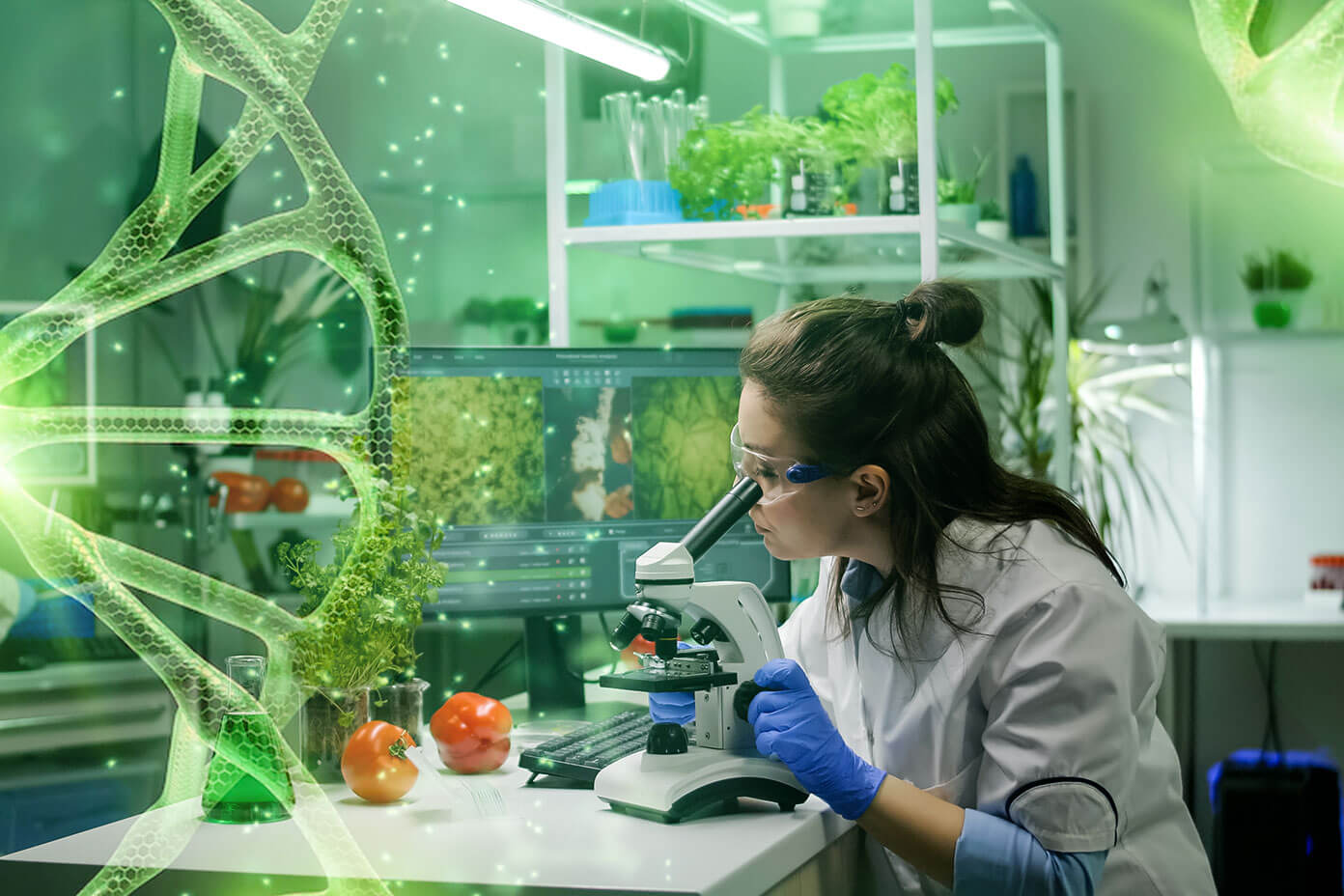
The Convergence of Bioengineering and Synthetic Biology
Modern biotechnology is transforming medicine by merging engineering principles with biological sciences. This fusion enables the creation of custom proteins, lab-grown tissues, and gene-editing tools that redefine approaches to health and disease.
Customized Therapeutics via CRISPR and Gene Editing
Personalized medicine has advanced significantly with synthetic biology and bioengineering. Drugs can now be designed at the molecular level to match an individual's genetic profile, reducing side effects and improving outcomes. CRISPR gene editing allows scientists to correct genetic mutations with precision, offering treatments for cancer and rare genetic disorders at their root cause.
Engineering Functional Tissues In Vitro
Techniques like 3D bioprinting and organoid development enable the creation of functional tissues outside the body. These lab-grown tissues can address the shortage of donor organs and provide platforms for drug testing and disease modeling. Stem cell engineering further enhances the ability to produce tissues for transplantation, advancing regenerative medicine.
AI and Bioreactors: Scaling Up Bioproduction
Biotechnology is also revolutionizing the production of biological products through the integration of AI with bioreactors, making processes more efficient and scalable.
AI-Enhanced Bioreactors
AI-driven process optimization automates monitoring and control in bioreactors, allowing real-time adjustments to maintain optimal conditions. This improves production efficiency and output quality for pharmaceuticals, where consistency is critical.
Real-Time Process Monitoring
Sensors and AI analytics enable continuous monitoring of chemical reactions and biological processes in bioreactors. This real-time adaptability increases efficiency and reduces downtime, meeting the growing demand for biopharmaceuticals.
Ethical and Societal Considerations
As biotechnology advances, it is essential to address the ethical and societal implications.
Ensuring Ethical Innovation
Robust regulatory frameworks are needed to oversee gene editing and synthetic biology, preventing misuse or ecological harm. Transparent dialogue among scientists, ethicists, and the public is crucial for responsible innovation.
Addressing Access and Equity
Equitable access to cutting-edge treatments must be prioritized to avoid worsening health disparities. Strategies such as cost subsidies and expanded healthcare infrastructure can help ensure that all socioeconomic groups benefit from these breakthroughs.
Frequently Asked Questions
What is bioengineering and how is it transforming modern medicine? Bioengineering applies principles of biology and engineering to develop healthcare solutions, such as advanced prosthetics, artificial organs, and tissue engineering. It enables personalized medicine by tailoring treatments to individual genetic profiles, improving efficacy and reducing side effects.
How are lab-grown tissues revolutionizing therapeutic approaches? Lab-grown tissues, created through tissue engineering using scaffolds and bioreactors, offer customized implants for damaged organs, reducing the need for donor organs and minimizing rejection risk.
What role do bioreactors play in synthetic biology? Bioreactors provide controlled environments for cultivating cells and tissues, enabling large-scale production of biomolecules, pharmaceuticals, and engineered tissues. They ensure optimal growth conditions for high-quality outputs.
How is DNA manipulation advancing medical biotechnology? Techniques like CRISPR-Cas9 enable precise genetic editing, allowing correction of mutations, development of gene therapies, and creation of genetically modified organisms for research, accelerating drug discovery and personalized treatments.
How is synthetic biology combating antimicrobial resistance? By designing novel antibiotics and antimicrobial agents that target resistant strains, engineering microbes to produce new compounds, and using computational models, synthetic biology offers innovative solutions to overcome resistance and discover new drug classes.