Modern Forensic Investigation: Blending Physical and Digital Evidence for Better Crime Solving
Discover how traditional forensic methods like DNA and fingerprints merge with digital forensics to transform crime scene investigations.
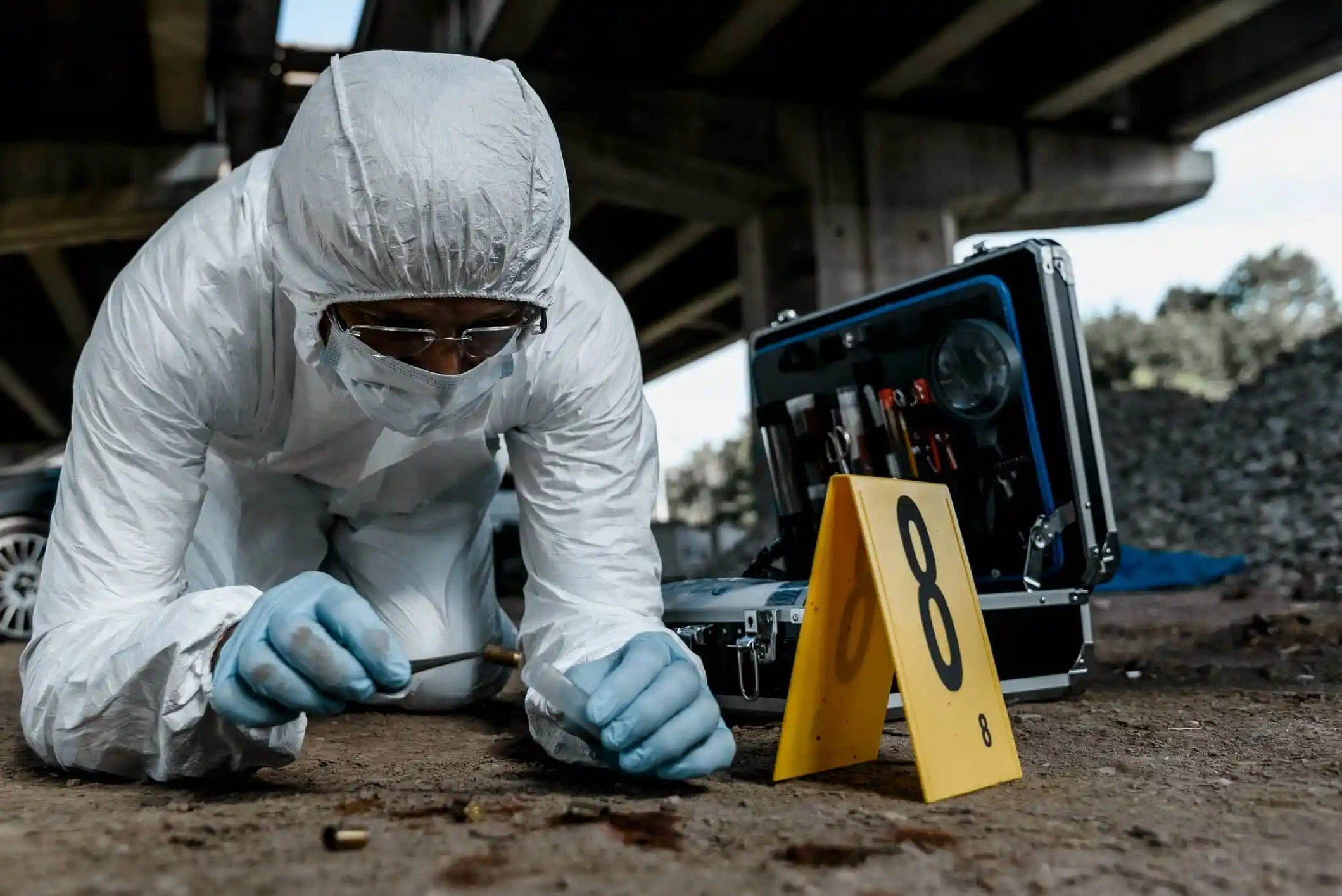
The Evolving Landscape of Forensic Investigation
Forensic science has entered a new era where crime scenes are no longer confined to physical locations. The rise of digital evidence from smartphones, computers, and online activities has expanded the investigator's toolkit. Today, solving a crime often requires seamlessly blending traditional forensic techniques with digital analysis. This article examines how this integration is reshaping investigations, from DNA and fingerprint analysis to digital forensics and collaborative teamwork.
Traditional Forensic Methods Enhanced by Technology
Classic forensic techniques such as DNA analysis and fingerprint identification remain foundational, but they are now powered by advanced tools. For instance, the FBI's rapid DNA profiling enables quick suspect identification at crime scenes, accelerating initial stages. Similarly, fingerprint analysis has evolved from manual comparison to database-driven cross-referencing with millions of records. High-definition 3D imaging allows investigators to create detailed digital recreations of crime scenes, enabling virtual revisits and hypothesis testing without disturbing evidence. These innovations reduce human error and increase reliability.
DNA and Biological Evidence
DNA analysis provides a powerful means to link suspects to crime scenes through genetic material. Profiles can be compared against national databases, aiding in identification of offenders or missing persons. Toxicology tests further complement investigations by detecting drugs, alcohol, or poisons in biological samples, crucial in overdose or poisoning cases.
Fingerprints and Ballistics
Fingerprint identification remains one of the most accurate methods for confirming presence at a crime scene. Modern databases allow instant matching against vast collections. Ballistics analysis similarly benefits from digital tools, with 3D imaging helping compare bullet striations and firearm evidence more precisely.
Digital Forensics: The Virtual Crime Scene
Digital forensics focuses on retrieving and analyzing data from electronic devices in a legally sound manner. Investigators create forensic images—exact duplicates of digital storage—to preserve original data integrity. They examine text messages, web histories, location data, and communication records to uncover timelines and motives. Mobile device forensics, supported by organizations like the National Cyber-Forensics and Training Alliance, is essential for tracing digital footprints in cybercrimes, fraud, and other technology-related offenses.
Challenges in Digital Evidence
Ensuring authenticity of digital content (e.g., verifying whether images or messages have been manipulated) is a pressing challenge. Tools for authenticating digital media continue to evolve, helping analysts trace sources of cybersecurity threats and maintain evidence credibility in court.
Integrating Traditional and Digital Approaches
The most effective investigations now rely on collaboration between specialists. DNA analysts work with data technologists; crime scene examiners partner with digital forensic investigators. This multidisciplinary synergy breaks down silos and fosters a holistic understanding of evidence. By reconciling diverse perspectives, investigators build richer cases that stand up to scrutiny.
Ethical and Legal Considerations
As technology advances, forensic science must navigate issues like data privacy, algorithmic bias, and transparency. Establishing governance frameworks ensures that new methods strengthen justice without compromising civil liberties. Balancing innovation with ethical standards is crucial for maintaining public trust and legal integrity.
Frequently Asked Questions
What is the role of DNA analysis in crime-scene investigation?
DNA analysis uses genetic material found at crime scenes to identify or exonerate suspects. It provides a biological link and can be compared against national databases to match known offenders or missing persons.
How does fingerprint identification contribute to solving crimes?
Fingerprints found at crime scenes are matched with databases of known individuals. Their uniqueness allows law enforcement to confirm a suspect's presence, linking them directly to the criminal activity with high accuracy.
What are toxicology tests and how are they used?
Toxicology tests detect drugs, alcohol, poisons, or chemicals in biological samples like blood or urine. They help determine cause of death, impairment, or substance involvement in crimes.
In what ways does forensic anthropology assist investigations?
Forensic anthropologists analyze skeletal remains to determine identity, cause of death, age, sex, ancestry, and signs of trauma—crucial when bodies are decomposed or burned.
Why is digital evidence increasingly important?
Digital evidence from computers, phones, and online activities provides insights into suspects' actions, communications, and locations. It is vital for cybercrime, fraud, and cases where traditional evidence is insufficient.