Advances in Brain Imaging and Neuroprosthetics: From EEG to Neural Implants for Memory Enhancement
Explore how fMRI, EEG, neural implants, and brain mapping are revolutionizing cognitive science, enabling real-time enhancements and restoring lost functions through neuroprosthetics.
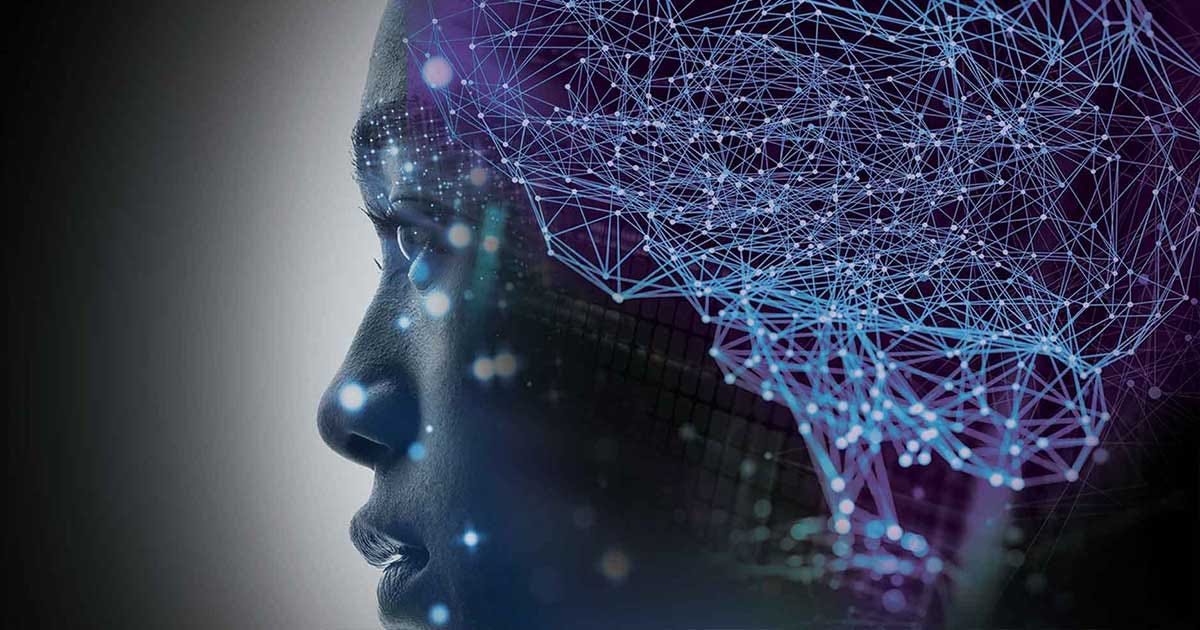
Revolutionizing Brain Imaging: From fMRI to EEG
Modern brain imaging technologies have transformed our ability to observe the living brain, turning abstract theories into visible data. Functional Magnetic Resonance Imaging (fMRI) tracks blood flow changes to pinpoint active regions during tasks, while Electroencephalography (EEG) captures real-time electrical activity from neurons. Together, these tools offer complementary views—fMRI reveals spatial location, EEG provides temporal precision—allowing researchers to map cognitive processes like attention, memory, and problem-solving with unprecedented detail.
Clinical and Research Applications
In clinical settings, fMRI and EEG enable earlier and more accurate diagnosis of neurological disorders, from epilepsy to depression, by identifying abnormal neural patterns. For example, EEG can detect seizure activity in real time, while fMRI helps plan surgical interventions by mapping critical brain areas. In research, these technologies have linked specific brainwave patterns to mental states such as focus, relaxation, and creativity, paving the way for cognitive training programs.
Neuroprosthetics: Bridging Brain and Machine
Neuroprosthetics represent a major leap forward, restoring lost sensory or motor functions and potentially enhancing cognitive abilities. Neural implants—such as cochlear and retinal implants—already bypass damaged pathways to restore hearing and sight. More advanced Brain-Computer Interfaces (BCIs) enable bidirectional communication: decoding neural signals to control external devices and sending feedback to refine performance.
Memory Enhancement and Cognitive Restoration
Recent research explores neural implants for memory improvement, particularly in conditions like Alzheimer's. By interacting with hippocampal circuits, these devices can strengthen memory encoding and retrieval. Early studies show promise in restoring memory function in patients with brain injuries. The success of neuroprosthetics depends on decoding the brain's complex language—translating electrical patterns into precise commands for prosthetics or computers.
Real-Time Cognitive Enhancement with EEG
EEG monitoring is central to real-time cognitive enhancement. Neurofeedback systems train individuals to regulate their own brainwaves, improving attention, reducing anxiety, and alleviating symptoms of ADHD and PTSD. Personalized programs adapt interventions based on an individual's unique neural profile, optimizing mental performance. Integration with virtual reality and artificial intelligence creates immersive training environments tailored to learning and therapy needs.
Brain Mapping: The Foundation for Next-Generation Neuroprosthetics
Advanced brain mapping techniques like Diffusion Tensor Imaging (DTI) reveal the brain's structural connectivity—the neural highways underlying cognition. This detailed wiring diagram guides the design of neuroprosthetics that integrate seamlessly with natural pathways. As mapping resolution improves, so does the potential for precise, minimally invasive implants. The combination of high-resolution mapping and adaptive neuroprosthetics opens the door to not just restoring lost functions but also enhancing normal capabilities.
Q&A
What are the primary applications of brain imaging in neuroscience? Brain imaging is used to observe brain structure and function in health and disease. Techniques like MRI and fMRI visualize anatomy and activity, aiding diagnosis and treatment monitoring.
How does EEG monitoring contribute to understanding brain activity? EEG records electrical activity, essential for diagnosing epilepsy, sleep disorders, and brain death. It also helps study brain waves associated with different mental states.
What are neural implants, and how do they enhance memory? Neural implants are devices placed in the brain to stimulate or record neural activity. They enhance memory by interacting with memory-related circuits, potentially improving recall in impaired individuals.
What role do neuroprosthetics play in restoring lost functions? Neuroprosthetics replace or enhance damaged nervous system functions. They restore movement in paralysis or limb loss by translating neural signals into prosthetic control.
How is brain mapping advancing our understanding of neural pathways? Brain mapping creates detailed maps of brain structures and connections. Techniques like DTI visualize neural networks, aiding study of disorders and development of targeted therapies.