Transmission Wear Signs & Maintenance: Fluid, Filters, and Software Updates
Learn to spot transmission issues, maintain fluid and filters, and use software updates for smoother, longer-lasting performance.
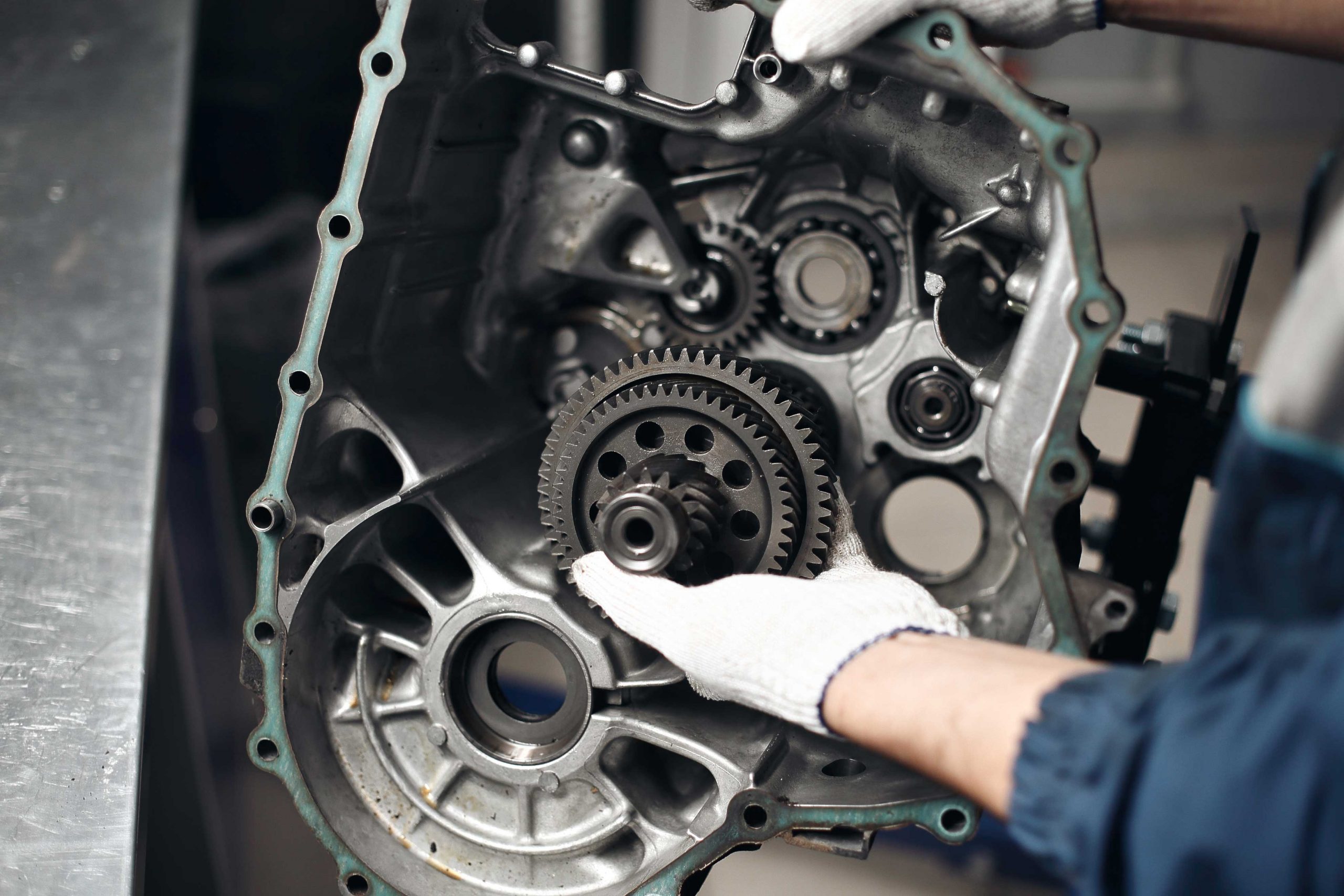
Early Warning Signs of Transmission Trouble
Catching problems early can save thousands in repairs. Listen for unusual noises like whining, humming, or clunking—they often indicate low fluid or worn parts. Feel for delayed or harsh shifting, or the engine revving without acceleration. These symptoms suggest internal wear or fluid degradation. Also check for red, sweet-smelling fluid spots under your car and monitor the dashboard for a Check Engine light triggered by transmission sensor feedback.
Routine Inspections: Fluid and Filters
Transmission fluid is the lifeblood: it lubricates, cools, and cleans. Healthy fluid is bright red and odor-free; if it's dark, burnt, or smells, replace it. Follow the manufacturer’s change interval, typically 30,000–60,000 miles. The transmission filter traps contaminants like metal shavings. Replace it regularly—when you drain the fluid, also swap the filter and examine the pan for sludge or large debris. Proper filter maintenance ensures clean fluid flow and prolongs component life.
Band and Linkage Adjustments
Over time, bands, clutches, and linkages may need recalibration. Misalignment can cause gear slippage or harsh shifts. Regular adjustments restore smooth transitions and protect the system from excessive strain. A qualified mechanic can fine-tune these components during a scheduled service.
Modern Transmission Technology: Software and Diagnostics
Today’s transmissions are controlled by a transmission control unit (TCU) that manages shifts in real time for efficiency and smoothness. Software glitches can cause erratic behavior—rough shifts, false alerts, or delayed engagement. Instead of diving into mechanical repairs, start with diagnostics: check for error codes and consider a software update (reflash). Keeping the TCU current often resolves issues without swapping parts, ensuring optimal performance and fuel economy.
Protective Habits and Hardware
Driving smoothly—gentle acceleration, gradual braking, and avoiding excessive towing—reduces stress on the transmission. For heavy use (towing, hot climates), install an auxiliary transmission cooler to lower operating temperatures. This simple add-on prevents fluid breakdown and overheating, significantly extending transmission life. Combined with scheduled fluid and filter services, these habits create a solid foundation for long-term reliability.
Frequently Asked Questions
What role do fluid changes play in transmission health? Regular fluid changes ensure lubrication, cooling, and cleaning. Degraded fluid loses effectiveness and becomes contaminated; changing it per the schedule prevents overheating and wear.
Why is filter replacement important? The filter traps contaminants. A clogged filter restricts fluid flow, causing poor performance and accelerated wear. Replacing it regularly keeps fluid circulating properly.
How do driving habits affect transmission life? Aggressive driving (rapid acceleration, hard braking) increases strain. Smooth driving reduces stress, preventing premature wear and damage.
What are the benefits of a transmission cooler? A cooler reduces operating temperature, especially during towing or in hot climates. Lower temperatures prevent fluid degradation and overheating, prolonging transmission life.
How can I diagnose potential transmission problems? Look for noises, rough shifting, leaks, and warning lights. Check fluid level and condition, inspect for leaks, and use diagnostic tools to read codes. Early professional assessment prevents minor issues from becoming major.