Protecting Biodiversity Hotspots: Restoring Habitats and Building Global Conservation Partnerships
Discover how biodiversity hotspots, habitat restoration, and global partnerships protect endangered wildlife. Learn about community-led conservation and sustainable policies.
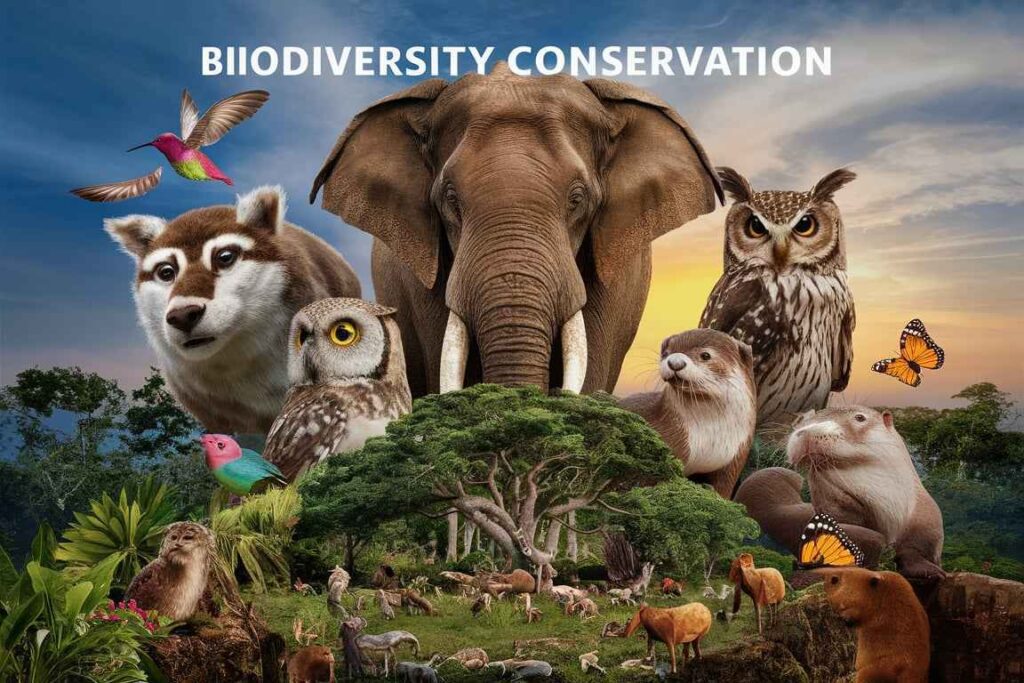
Understanding Biodiversity Hotspots
Biodiversity hotspots represent the planet's most biologically rich yet threatened regions. These areas harbor an extraordinary concentration of endemic species—plants and animals found nowhere else on Earth. Their preservation is essential for maintaining global ecological balance, as they provide critical ecosystem services such as pollination, water purification, and climate regulation.
Why Hotspots Matter
These regions are evolutionary treasures, having developed unique ecosystems over millions of years. However, they face severe degradation from human activities like deforestation, urbanization, and pollution. Losing a hotspot means losing irreplaceable genetic resources and the natural heritage they contain. Protecting them requires immediate and sustained conservation action.
Community-Led Stewardship
Successful conservation often hinges on local involvement. In places like the Canadian Boreal Forest and Great Bear Rainforest, Indigenous communities are leading stewardship efforts. By blending traditional ecological knowledge with modern science, co-management frameworks promote sustainability while respecting cultural connections to the land. When communities see tangible benefits—such as sustainable livelihoods—they become powerful allies in conservation.
Challenges Facing Delicate Ecosystems
Biodiversity hotspots are sensitive to both natural shifts and human pressures. Climate change alters habitats, forcing species to adapt or vanish. Habitat destruction from logging, agriculture, and urban sprawl fragments landscapes, while invasive species and pollution further destabilize ecosystems. Conservationists must build resilience by focusing on ecosystem dynamics, species interactions, and restoring natural processes.
Cultural narratives also play a role. Indigenous practices often offer sustainable living models that can mitigate modern development impacts. Integrating this knowledge into conservation planning creates more holistic and effective protection strategies.
Transboundary Conservation Efforts
Many biodiversity hotspots span multiple countries, making international cooperation essential. Wildlife corridors and cross-border protected areas allow species to migrate, breed, and exchange genes. For migratory animals like birds and butterflies, agreements on habitat protection across their entire range are vital. Sharing data, governance models, and funding helps countries unify conservation strategies and combat threats like illegal wildlife trade.
International agreements such as CITES provide frameworks for collaboration, ensuring that global ecological heritage is respected and safeguarded.
Restoring Degraded Habitats
Restoration projects breathe new life into devastated ecosystems, creating a future where nature and human progress coexist. Reforestation, wetland rehabilitation, and marine protected areas are key strategies.
Reforestation and Native Species
Planting native trees and removing invasive species restores forest ecosystems. In Canada, over 112 remote Indigenous communities are involved in habitat restoration, integrating traditional harvesting and food-sharing initiatives. Such projects enhance ecosystem services—climate regulation, water purification, soil stabilization—while supporting local cultures.
Land-Water Connections
Terrestrial and aquatic ecosystems are interdependent. Restoring wetlands filters pollutants and provides critical habitat. Reforesting areas around water bodies prevents erosion and sedimentation. This interconnected approach supports species like amphibians that rely on both forested and wetland environments.
Marine Restoration
Marine protected areas allow ocean life to recover from overfishing and pollution. Sea turtles, for example, benefit from nesting beach protection and reduced bycatch. International collaboration is crucial given the migratory nature of marine species. Reducing plastic pollution through education and outreach also plays a role in restoring ocean health.
Fostering Global Partnerships
Effective conservation requires policies and partnerships that align local initiatives with global commitments.
Sustainable Policies
Policies must integrate environmental priorities with economic and social welfare. Incentives like payments for ecosystem services reward landowners for maintaining habitats that provide clean water and carbon storage. Engaging Indigenous groups in policy development ensures equity and effectiveness.
Local Engagement
Empowering women and youth through education and co-management builds the next generation of conservation leaders. When communities benefit directly—through sustainable livelihoods or reduced human-wildlife conflict—they take ownership of preservation efforts.
International Cooperation
Global challenges like climate change and transboundary pollution demand unified action. Treaties set common goals, facilitate knowledge exchange, and enable funding. Coordinated efforts against illegal wildlife trade and habitat fragmentation create momentum for safeguarding the planet's biological wealth.
Q&A
What are some effective conservation policies? Establishing protected areas, enforcing anti-poaching laws, implementing breeding programs, and international agreements like CITES regulate wildlife trade.
How does habitat restoration help? Restoration recreates natural habitats through reforestation, wetland rehabilitation, and invasive species removal, supporting endangered species' survival and reproduction.
Why are biodiversity hotspots important? They contain high levels of endemic species and are crucial for ecological balance. Protecting them prevents extinctions and preserves ecosystem services.
What is ecological balance in conservation? It ensures no single species dominates, maintaining harmonious coexistence. Conservation protects habitats and manages populations to preserve this balance.
How can individuals contribute? Support conservation organizations, reduce carbon footprint, advocate for protective policies, and participate in local projects like tree planting or wildlife monitoring.