The Expanding Universe of Robotics: Humanoids, Drones, and Collaborative Innovation
Discover how humanoid robots, drones, and advanced components are reshaping industries through collaboration and autonomy.
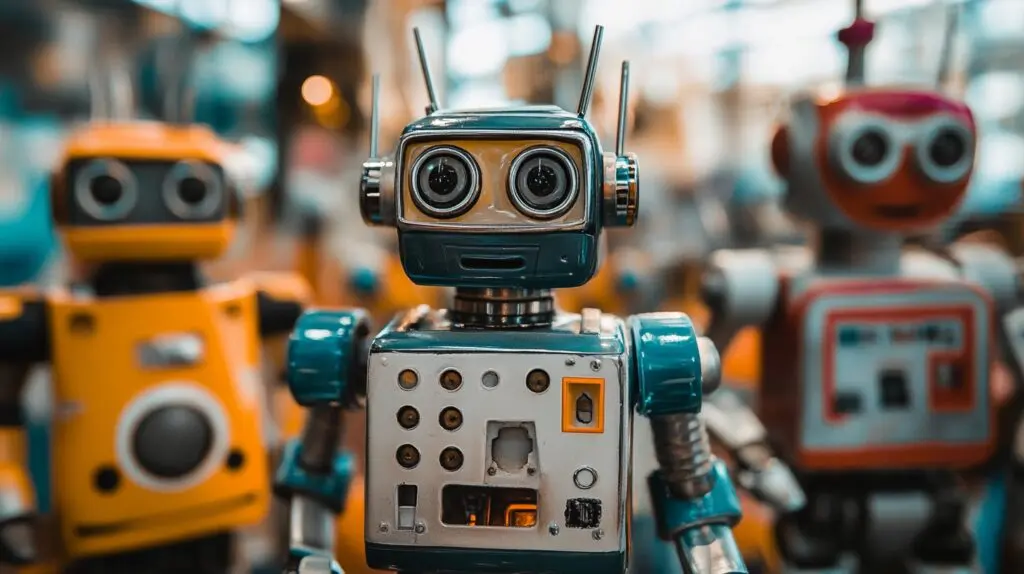
Robotics Enters a New Era
The field of robotics is undergoing a profound transformation. Once confined to repetitive tasks behind safety cages, robots now operate alongside humans in dynamic environments. From humanoid machines that mimic our form to drones that navigate the skies, the boundaries between human work and robotic assistance are blurring. This article explores the latest advancements in humanoid robots, aerial drones, and core components, highlighting how collaboration is driving the future.
Humanoid Robots: Design and Impact
Mimicking Human Form
Humanoid robots are engineered to resemble the human body, allowing them to navigate spaces designed for people. They can open doors, climb stairs, and manipulate objects with increasing dexterity. As manufacturing costs decline, these machines are moving from research labs into industrial settings and eventually consumer homes. In healthcare, they assist with eldercare and rehabilitation, reducing the burden on human caregivers while providing consistent support.
Sensory Integration for Human-Like Interaction
To interact naturally, humanoid robots rely on a suite of sensors. Cameras and microphones simulate sight and hearing, while touch sensors on their skin detect pressure and texture. This multi-sensory approach enables them to recognize objects, understand speech, and respond appropriately. For example, a humanoid robot can identify a fallen patient, assess their condition, and call for help—all without direct human control.
Drones: Redefining Aerial Autonomy
Autonomous Sky Operations
Drones represent one of the most significant advances in robotics. Equipped with powerful onboard computing and sensor arrays like lidar and cameras, they execute precise maneuvers and collect data autonomously. In agriculture, drones analyze crop health, optimize irrigation, and reduce resource waste. In logistics, they deliver packages with unprecedented speed, especially to remote or congested areas. Recent improvements in battery life and payload capacity have made same-day drone delivery a reality for medical supplies and emergency goods.
Safety and Industrial Inspection
Drones excel in hazardous environments. In construction, they inspect tall structures and dangerous zones without risking human lives. By replacing human workers in perilous spots, drones prevent accidents and improve overall job safety. While autonomy is impressive, the most effective systems maintain human oversight. Real-time data transmission allows operators to intervene when needed, combining computational precision with human judgment.
Innovative Components Powering Robotics
Robotic Arms: Precision and Versatility
Robotic arms are the workhorses of automation. They mimic the human arm's range of motion with multiple articulation points, enabling tasks from assembly to surgery. Equipped with force sensors and feedback loops, they adjust grip strength and motion with high precision. In industrial settings, they handle repetitive or dangerous tasks—like welding or handling toxic materials—boosting productivity and reducing human injury.
Sensors and Power
Advanced sensory systems are the backbone of modern robotics. Tactile sensors allow robots to feel, optical sensors to see, and ultrasonic sensors to navigate. This multi-sensory perception enables autonomous operation in dynamic environments. Meanwhile, improvements in battery technology extend operational durations, allowing robots to complete lengthy missions without recharging. Wearable robots and exoskeletons further enhance human strength and stamina, reducing injury in physically demanding jobs and aiding rehabilitation in healthcare.
Collaboration: The Key to Widespread Adoption
The shift from isolated robots to collaborative partners is driven by advanced sensors and safer designs. Collaborative robots, or cobots, work directly alongside humans, taking over laborious tasks while humans focus on dexterity and innovation. In manufacturing, logistics, and retail, cobots sort, stock, and assemble goods efficiently. This synergy creates a harmonious workspace where both human and machine contribute their strengths. As humanoid robots and drones become more accessible, their integration into everyday life will deepen, marking a new era of human-robot collaboration.