From Policy to Action: Integrated Public Health Solutions for a Healthier World
Discover how integrated public health strategies connect surveillance, policy, community engagement, and equity to build healthier societies.
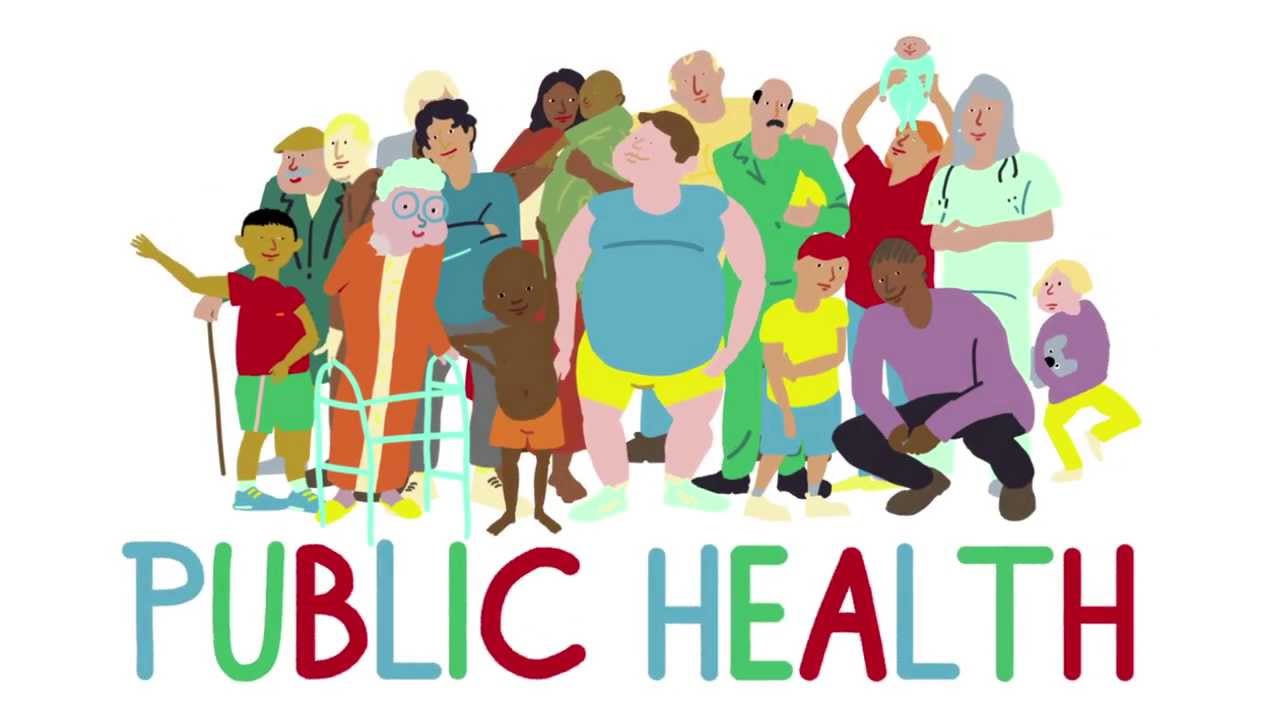
Building Bridges from Policy to Action
Effective public health requires more than just well-crafted policies—it demands a holistic approach that connects systems directly with the communities they serve. By weaving together surveillance, equitable access, and active community participation, we can create resilient health ecosystems that respond to both everyday needs and emergent threats.
Core Pillars of Public Health
Data-Driven Disease Surveillance
Disease surveillance is the backbone of public health preparedness. Through continuous monitoring and analysis of health data, authorities can detect outbreaks early, track disease patterns, and allocate resources precisely where they are needed. Timely data collection allows for rapid interventions that can contain epidemics before they escalate, saving lives and reducing strain on healthcare systems.
Effective Health Policies and Epidemic Response
Health policies set the regulatory framework for safeguarding public well-being. They cover food safety, environmental health, occupational hazards, vaccination schedules, and chronic disease management. Coupled with robust epidemic response capabilities—including rapid mobilization of personnel, supplies, and risk communication—these policies ensure that health systems can manage both predictable and sudden challenges efficiently.
Nutrition and Sanitation Foundations
Population nutrition programs are vital for improving dietary standards and food security, especially among vulnerable groups. By promoting balanced diets rich in essential nutrients, these initiatives strengthen immunity and reduce malnutrition. Simultaneously, sanitation control measures—clean water access, waste management, and hygiene promotion—prevent waterborne diseases and create healthier living environments. Investing in these fundamentals yields long-term public health dividends.
Community Engagement and Trust
No public health strategy succeeds without community buy-in. Educational campaigns, workshops, and public discussions empower individuals to make informed decisions and adopt healthier behaviors. When communities are actively involved in designing and implementing health programs, trust increases and cultural relevance improves. This participatory approach transforms passive recipients into active stakeholders, fostering sustained adherence to health initiatives.
Bridging Health Disparities Through Equity
Designing Inclusive Health Systems
Health equity means ensuring everyone—regardless of socioeconomic status—can achieve optimal health. This requires identifying and removing systemic biases in healthcare delivery. Equity assessments reveal gaps in outcomes for marginalized groups, guiding the redesign of financing models and service delivery. Population-based payment systems that prioritize value over volume, along with strong local health centers, help make care accessible to all.
Empowering Grassroots Movements
Lasting change often starts at the community level. Supporting local leaders and grassroots networks—particularly in mental health and peer-to-peer learning—builds trust and ensures interventions are culturally tailored. By investing in local expertise, we create resilient communities capable of sustaining health improvements long after external programs end.
Collaboration and Innovation
Multidisciplinary Coordination
Public health challenges are too complex for any single sector to solve alone. Effective responses integrate the expertise of healthcare providers, researchers, policymakers, and community representatives. Partnerships between government agencies, NGOs, and private enterprises pool resources and best practices, expanding the scale and reach of health programs.
Fostering Innovation
Digital health tools—such as mobile apps, telemedicine, and electronic health records—offer new ways to collect data, engage patients, and manage diseases. Embracing these technologies makes health systems more efficient and responsive. Additionally, fostering a culture of continuous learning and adaptation within organizations allows for iterative improvements based on feedback and outcome evaluations.
Conclusion
Transforming policy into action requires a multifaceted effort that integrates surveillance, community engagement, equity, and innovation. By working together across disciplines and sectors, we can overcome public health challenges and create a healthier, more resilient world for everyone.
Q&A
What is the role of disease surveillance in epidemic response? Disease surveillance provides early detection of outbreaks through systematic data collection and analysis. It enables public health authorities to implement timely interventions, monitor disease trends, and evaluate control measures, thus preventing widespread transmission.
How do health policies influence sanitation control measures? Health policies establish regulations for safe water, waste management, and hygiene practices. They set standards that reduce the spread of infectious diseases and often include educational components to raise community awareness about sanitation.
In what ways can community awareness programs enhance population nutrition? These programs educate communities about balanced diets, seasonal foods, and the link between nutrition and health. Through workshops, cooking demonstrations, and campaigns, they empower individuals to make healthier food choices, improving overall nutritional status.
Why is sanitation control essential in maintaining public health? Sanitation control prevents waterborne diseases and ensures healthier living environments by providing clean water, proper waste disposal, and adequate hygiene. This is especially critical in densely populated areas where disease transmission risk is higher.
How can health policy support community awareness in epidemic response? Health policy can mandate public education initiatives and communication strategies that inform citizens about disease prevention. This includes media campaigns, community meetings, and collaboration with local organizations to ensure accurate information reaches all segments of the population.