Regenerative & Climate-Smart Agriculture: Soil Health, Carbon Farming, and Digital Innovations
Explore regenerative practices, carbon farming, precision irrigation, and digital tools that build resilient, sustainable farming systems for the future.
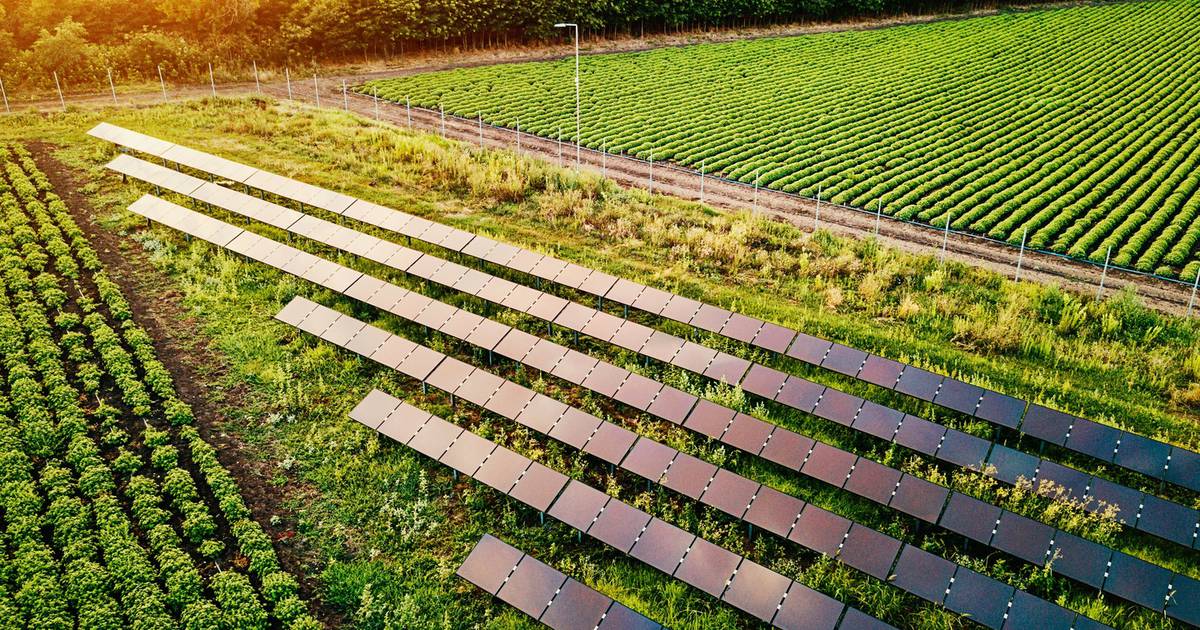
Redefining Agriculture: A Whole-System Approach
Agriculture is evolving beyond the narrow focus on short-term yields. A growing movement views farms as interconnected ecosystems where soil vitality, biodiversity, and resource efficiency drive long-term productivity. Regenerative and climate-smart practices offer a path to restore degraded land, mitigate climate change, and secure food production.
Soil Disturbance: Protecting the Foundation
Conventional tillage disrupts soil structure, leading to compaction and erosion. Minimal disturbance methods — low-till or no-till — keep the soil intact, preserving its complex matrix and microbial communities. Crop residues left on the surface act as armor, reducing evaporation and suppressing weeds. This organic layer builds fertility and supports beneficial microbes that enhance nutrient cycling and water absorption. The result is resilient, fertile land that sustains production without heavy inputs.
Continuous Ground Cover: Emulating Nature
Nature never leaves soil bare. Cover crops shield the earth from weather extremes, prevent erosion, and improve structure. Their deep roots break compacted layers, boosting water infiltration and creating a sponge-like soil that retains moisture. As cover crops decompose, they release nutrients, reducing the need for synthetic fertilizers. Permanent ground cover maintains inherent fertility and sets the stage for healthier subsequent crops.
Integrating Livestock: Restoring Balance
Modern agriculture often separates crops and animals, but regenerative systems reunite them through managed grazing. Adaptive grazing mimics wild herd movements: livestock graze intensively over short periods, consuming varied plants and depositing manure. Their hooves aerate the soil. After grazing, pastures rest and recover, deepening root systems and regenerating biomass. This cycle enriches soil organic matter, enhances biodiversity, and makes livestock a net positive for ecosystem health.
Carbon Farming: Turning Soil into a Carbon Sink
Soil is a living ecosystem capable of capturing atmospheric carbon. Carbon farming combines cover cropping, reduced tillage, and agroforestry to store carbon underground while improving fertility. Agroforestry integrates trees into farming systems, providing shade, preventing erosion, and attracting beneficial insects. Together, these techniques create a virtuous cycle: healthier soil, better yields, and a smaller carbon footprint.
Multi-Purpose Crops: Hemp and Beyond
Sustainable agriculture relies on versatile crops that withstand stress and regenerate the land. Hemp exemplifies this: its deep roots improve soil structure, it resists pests naturally, and it yields seeds, fibers, and oils for textiles, bioplastics, and construction. Challenges in processing remain, but such crops demonstrate how a single plot can produce food, materials, and bio-products, diversifying income and minimizing waste.
Precision Crop Care: Targeted, Eco-Friendly Methods
Integrated Pest Management (IPM) and precision agriculture reduce chemical dependency. IPM emphasizes prevention, monitoring, and biological controls — using pesticides only as a last resort. Precision agriculture employs GPS, drones, and sensors to apply water, nutrients, and pesticides only where needed, conserving resources and protecting non-target species. These strategies maintain ecological balance and promote biodiversity.
Water Stewardship: Smarter Irrigation
Water scarcity demands efficient management. Drip irrigation delivers water directly to roots, minimizing evaporation. Real-time soil moisture sensors provide data that helps farmers irrigate at optimal times, reducing waste. Combined with rainwater harvesting and improved drainage, these techniques secure water for crops even in dry regions.
Agroforestry and Crop Rotation: Cultivating Diversity
Diverse systems are more stable. Agroforestry integrates trees to provide shade, windbreaks, and habitat. Crop rotation disrupts pest cycles and replenishes soil nutrients naturally. Together, they build ecological and economic resilience, helping farms adapt to variable conditions.
Digital Transformation: Aerial and Ground Intelligence
Drones and satellites reveal field-level details — early signs of stress, nutrient deficiencies, or pest outbreaks — enabling targeted interventions. On the ground, smart sensors track temperature, moisture, and nutrient levels. Data analytics turn this stream of information into actionable insights, guiding precise applications and reducing inputs. This fusion of traditional knowledge with digital tools marks a new era of farming efficiency.
Collaborative Networks: Scaling Regenerative Practices
No single farm can transform agriculture alone. Networks that share innovations, tools, and insights accelerate adoption. Cooperatives, extension services, and online platforms connect farmers with cutting-edge solutions — from biological fertilizers to advanced monitoring systems. By pooling knowledge and resources, these communities help regenerative and climate-smart practices scale from pilot fields to mainstream operations.
Q&A
Why is soil health central to regenerative agriculture?
Healthy soil teems with organic matter and microorganisms that cycle nutrients, suppress diseases, and improve water retention. This reduces reliance on chemical inputs and leads to stronger, more resilient crops.
How do sustainable crops support regeneration?
Sustainable crops are grown using practices that maintain ecosystem health. They enhance soil biodiversity, improve water capture, and increase resilience to climate shocks, actively restoring the land rather than depleting it.
What climate-smart practices help farmers adapt?
Crop rotation, cover cropping, reduced tillage, and IPM lower greenhouse gas emissions, boost carbon storage, and improve water efficiency — all while maintaining or increasing productivity.
How does modern irrigation improve water use?
Technologies like drip irrigation and smart sensors deliver water precisely to roots, cutting evaporation losses. Real-time data allows farmers to irrigate based on actual need, saving water and reducing runoff.
What is the biodiversity benefit of regenerative agriculture?
By planting diverse species, integrating livestock, and avoiding synthetic inputs, regenerative farms create habitats for beneficial insects, microbes, and wildlife. This natural pest control and pollination boost resilience and reduce harmful interventions.