Automotive Careers: Mechanics, Dealership Experts, Engineers, and Restoration Specialists
Explore diverse automotive careers: mechanics, dealership experts, engineers, and restoration specialists. Learn how each role ensures vehicle safety, performance, and customer satisfaction.
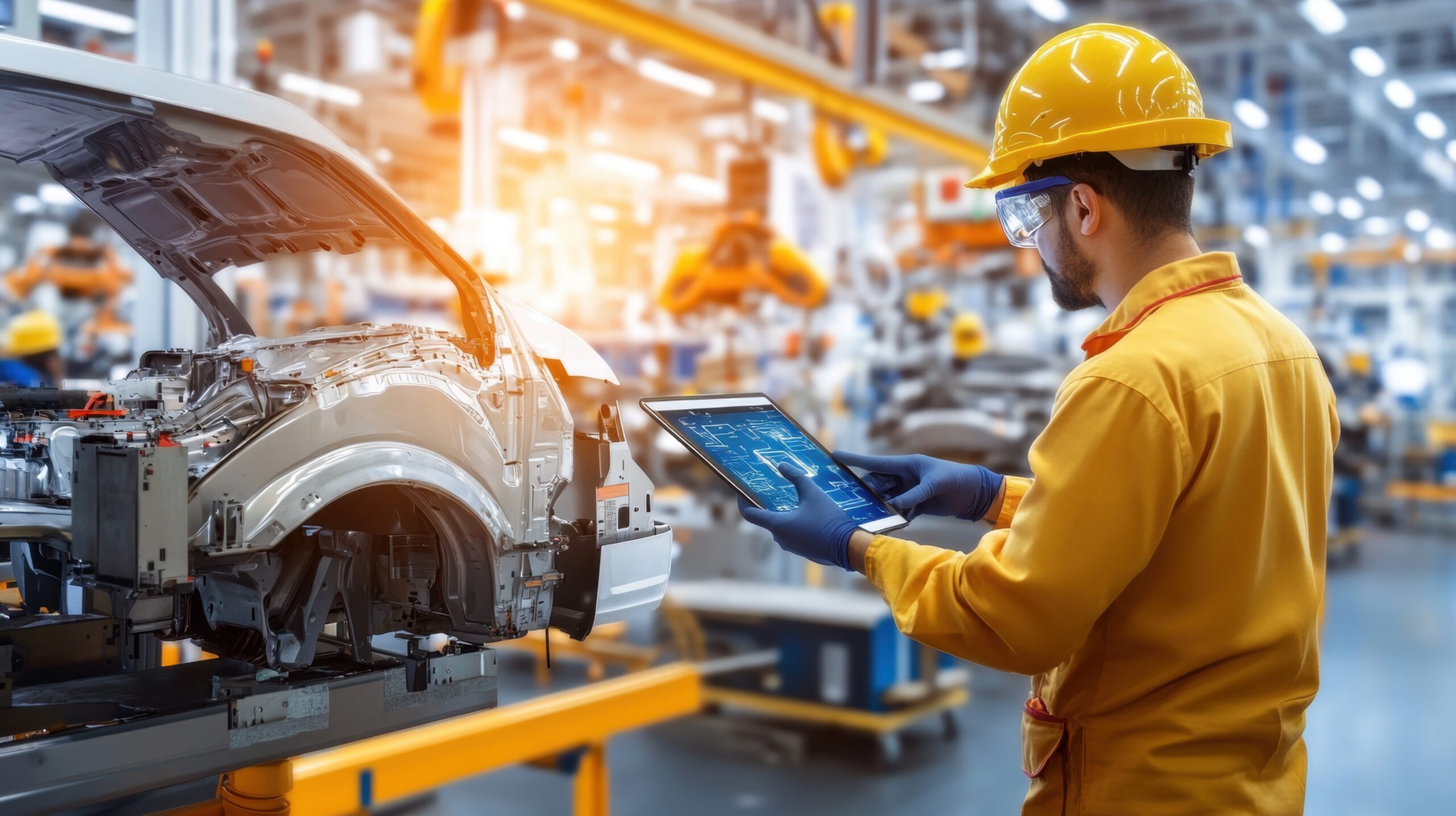
The Automotive Workforce Beyond the Wrench
The automotive industry depends on a diverse network of skilled professionals. While mechanics are often the public face of vehicle service, many specialized roles—from dealership consultants to collision repair technicians—keep the industry moving. This article explores four major career paths and their unique contributions to vehicle safety, performance, and customer satisfaction.
Mechanics: Diagnosis, Repair, and Safety
Mechanics are the problem-solvers of the automotive world. Their day starts not with routine tasks but with interpreting diagnostic data from onboard computers to pinpoint issues. Beyond technical know-how, they rely on hands-on experience and intuition developed over years. As vehicles evolve with hybrid and electric systems, mechanics continuously update their skills to stay current.
Safety and Communication
Every repair carries a safety dimension. Mechanics ensure brakes, airbags, and structural components meet factory standards after accidents or recalls. Equally important is their ability to translate complex problems into clear explanations for customers, building trust and ensuring drivers understand what their car needs.
Dealership Professionals: Customer Relationship Experts
Today’s dealerships focus on long-term relationships rather than one-time sales. Sales consultants, finance managers, and service advisors act as trusted guides, helping customers choose the right vehicle and maintain it over time. Product knowledge and interpersonal skills are critical.
From Transaction to Partnership
The shift away from high-pressure tactics has transformed dealership roles. Professionals now use data to track service histories and send personalized reminders, anticipating needs before they arise. This proactive model boosts loyalty and drives repeat business, turning a dealership into a lifelong automotive partner.
Automotive Engineering: Innovation from Drawing to Drive
Engineers are the architects of modern vehicles. They use computer-aided design (CAD) to test ideas virtually, reducing reliance on physical prototypes. Their work spans electric drivetrains, autonomous systems, and advanced safety features, integrating multiple technologies into a single reliable platform.
The Challenge of Integration
As vehicles become smarter, engineers must balance performance, efficiency, and regulatory compliance. The rise of electric vehicles and connectivity demands expertise in software and electronics alongside traditional mechanical engineering. This field offers exciting opportunities for those ready to tackle tomorrow’s transportation challenges.
Restoration and Care: Detailers and Collision Specialists
Vehicle appearance and structural integrity are preserved by detailers and collision repair technicians. Their work goes beyond aesthetics: it protects resale value and ensures safety after damage.
Detailing as Preservation
Detailing involves deep cleaning, polishing, and applying protective coatings. It requires knowledge of materials and chemical reactions to correct imperfections and prevent rust, fading, and wear. The result is a vehicle that looks and lasts better.
Collision Repair: Science Meets Craft
Collision repair specialists restore a vehicle’s structural integrity after accidents. They must understand modern materials, including high-strength steel and aluminum, as well as electronic safety components. With the rise of electric vehicles, training on high-voltage systems is essential for safe repairs.
Frequently Asked Questions
What does mechanic training cover? It includes engine repair, electrical systems, brakes, and diagnostics. Both classroom instruction and hands-on practice are required. Certification from organizations like ASE (Automotive Service Excellence) boosts career prospects.
What are the main dealership roles? Sales consultants handle vehicle sales and customer service; service advisors connect customers with the service department; technicians perform repairs; parts managers control inventory and ordering.
How does automotive engineering affect modern cars? Engineers design and test new components and systems, integrating electric drivetrains, autonomous driving features, and advanced safety tech to improve performance, efficiency, and safety.
Why is detailing important? Detailing preserves a car’s appearance and value by removing contaminants, polishing paint, and applying protective coatings. It also helps prevent environmental damage like rust.
What does collision repair involve? It begins with damage assessment, then realigning frames, repairing or replacing parts, and repainting. The goal is to restore both aesthetics and structural safety to pre-accident condition.
Why is parts management critical? Efficient parts management ensures that the right components are available when needed, reducing wait times and improving customer satisfaction. It also minimizes overstock and costs.