AI in Digital Marketing: A Complete Guide to Boosting ROI with Artificial Intelligence
Discover how AI revolutionizes digital marketing with personalized recommendations, SEO automation, predictive analytics, and more. Unlock better ROI today.
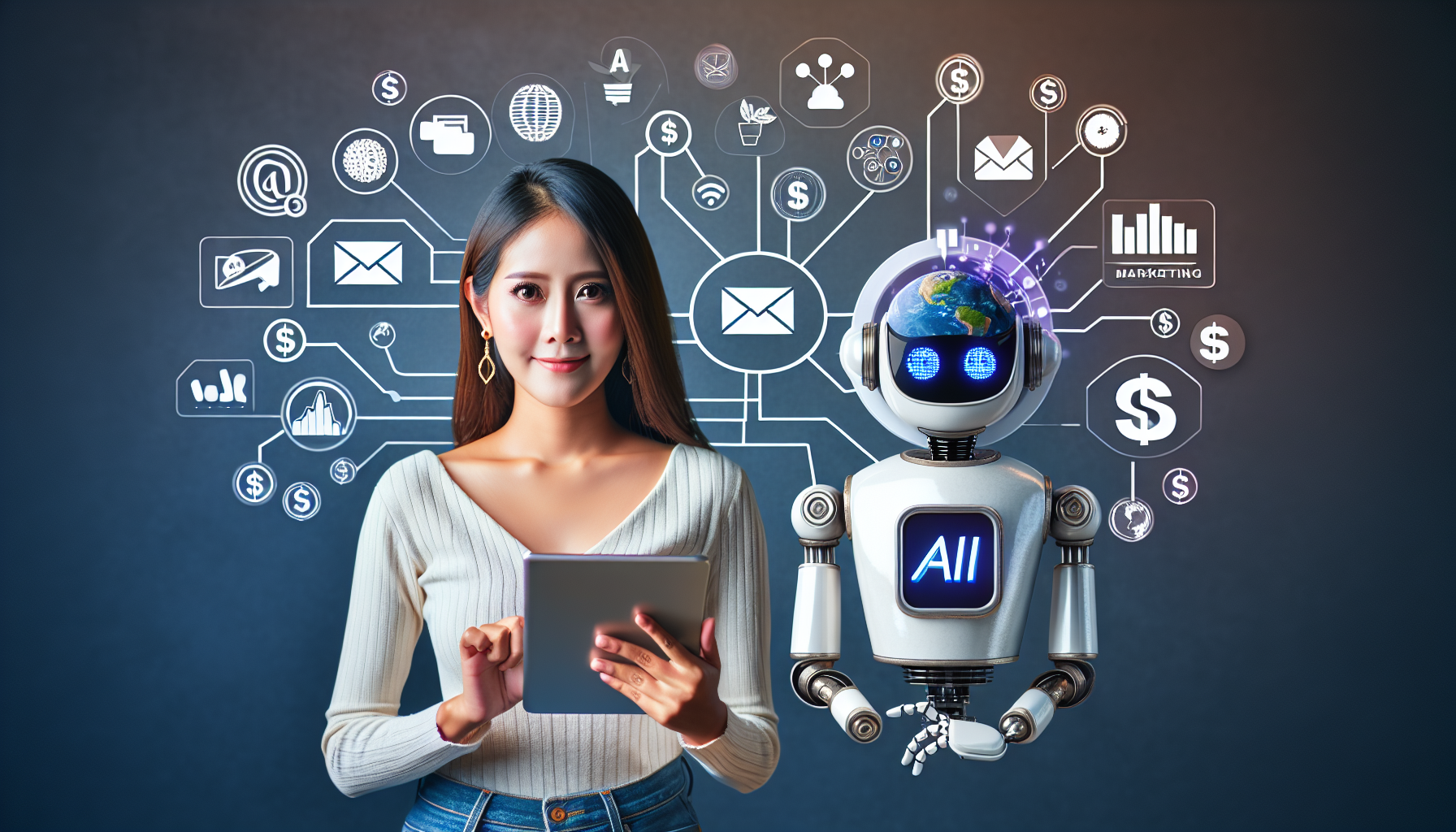
How AI Transforms Digital Marketing Strategies
Artificial intelligence has become a cornerstone of modern digital marketing. By analyzing vast datasets, predicting consumer behavior, and automating repetitive tasks, AI empowers businesses to craft highly targeted campaigns, improve customer engagement, and drive better ROI. This article explores the multifaceted role of AI in online marketing, from personalized recommendations to SEO optimization, and provides actionable insights for businesses of all sizes.
AI in Online Marketing: Data-Driven Personalization
AI enables marketers to segment audiences with unprecedented precision. Machine learning algorithms process customer data to identify patterns and preferences, allowing for hyper-personalized content delivery. Automated systems handle routine tasks such as ad placement and email scheduling, freeing marketers to focus on strategic initiatives. AI-driven SEO tools for eCommerce improve search rankings by analyzing keyword performance and user intent, boosting organic traffic and conversion rates.
Promoting Products with AI
AI offers three key methods for product promotion:
Personalized Recommendations: Predictive algorithms analyze past purchases and browsing history to suggest items tailored to each user, increasing the likelihood of sale.
AI Chatbots: 24/7 automated agents answer customer queries, guide purchasing decisions, and gather interaction data to refine marketing strategies.
Predictive Analytics: By evaluating historical trends, businesses can anticipate market shifts and adjust campaigns proactively, gaining a competitive edge.
Integrating these tools builds long-term customer loyalty through seamless, engaging experiences.
Starting an Online Business with AI
Entrepreneurs can leverage AI from day one:
Market Research: AI scans large datasets to identify gaps and opportunities, ensuring the business addresses real demand.
SEO Optimization: AI automates keyword research, competitor analysis, and content optimization to establish strong search visibility.
Digital Marketing Services: AI-powered platforms deliver targeted advertising, analytics, and campaign optimization, accelerating growth.
Early AI adoption streamlines operations and enhances customer experiences from the outset.
Localized Marketing with AI
For businesses targeting specific geographic markets, AI enables precise local strategies:
Localized Content: AI analyzes regional trends and cultural nuances to create content that resonates with local consumers.
Targeted Advertising: Micro-targeting capabilities focus ad spend on the most promising segments within a locality.
Customer Insights: Deep analytics reveal local purchasing patterns, allowing for culturally relevant campaign adjustments.
These tactics foster stronger community connections and drive regional revenue growth.
SEO for E-commerce: AI’s Role
AI enhances eCommerce SEO in three areas:
Keyword Optimization: Machine learning identifies high-performing keywords and refines content for better rankings.
User Experience: AI analyzes site interactions to improve navigation and design, reducing bounce rates and increasing conversions.
Competitive Analysis: Automated tools monitor competitor strategies, guiding dynamic adjustments to stay ahead.
Combined, these improvements boost visibility and sales for online stores.
Marketing and Sales Integration via AI
AI bridges the gap between marketing and sales:
Lead Scoring Models: Machine learning evaluates historical data to prioritize high-potential leads, increasing conversion rates.
Sales Forecasting: Predictive analytics project future revenue based on cross-functional data, enabling informed budgeting and strategy.
This alignment creates a unified approach to customer acquisition and retention.
Big Data Without Cloud: Edge Computing and On-Premises
For businesses prioritizing data security, alternatives to cloud storage include:
Edge Computing: Processes data near its source, reducing latency and improving security.
On-Premises Solutions: Local servers give full control over sensitive information, crucial for regulated industries.
These options maintain performance while addressing privacy concerns.
Key Benefits of AI in Digital Marketing
| Benefit | Description |
|---|---|
| Personalized Experiences | Tailored content and recommendations based on user data. |
| Efficiency | Automation frees marketers for strategic work. |
| Data Analysis | Deep insights into consumer behavior drive decisions. |
| Predictive Capabilities | Anticipates trends and future needs. |
Source: Statista
Frequently Asked Questions
How does inbound marketing benefit from AI?
AI personalizes content delivery throughout the buyer’s journey. By analyzing user behavior, it provides relevant information at each stage, increasing engagement and conversions.
Can small businesses afford AI solutions?
Yes. Many affordable, modular AI tools are designed for SMEs, allowing incremental adoption without high costs. Platforms offer scalable features aligned with budget constraints.
What challenges arise when adopting AI in marketing?
Initial setup costs, staff training, data privacy concerns, and accuracy of AI predictions are common hurdles. Proactive planning and comprehensive training mitigate these risks, enabling successful implementation.
As digital marketing continues to evolve, embracing AI is no longer optional—it's essential. Businesses that integrate these technologies will not only survive but thrive in an increasingly competitive landscape.