How to Select the Ideal Home Security System: A Complete Guide
Learn how to choose the best home security system. Compare DIY vs professional, essential features, and cost-saving tips.
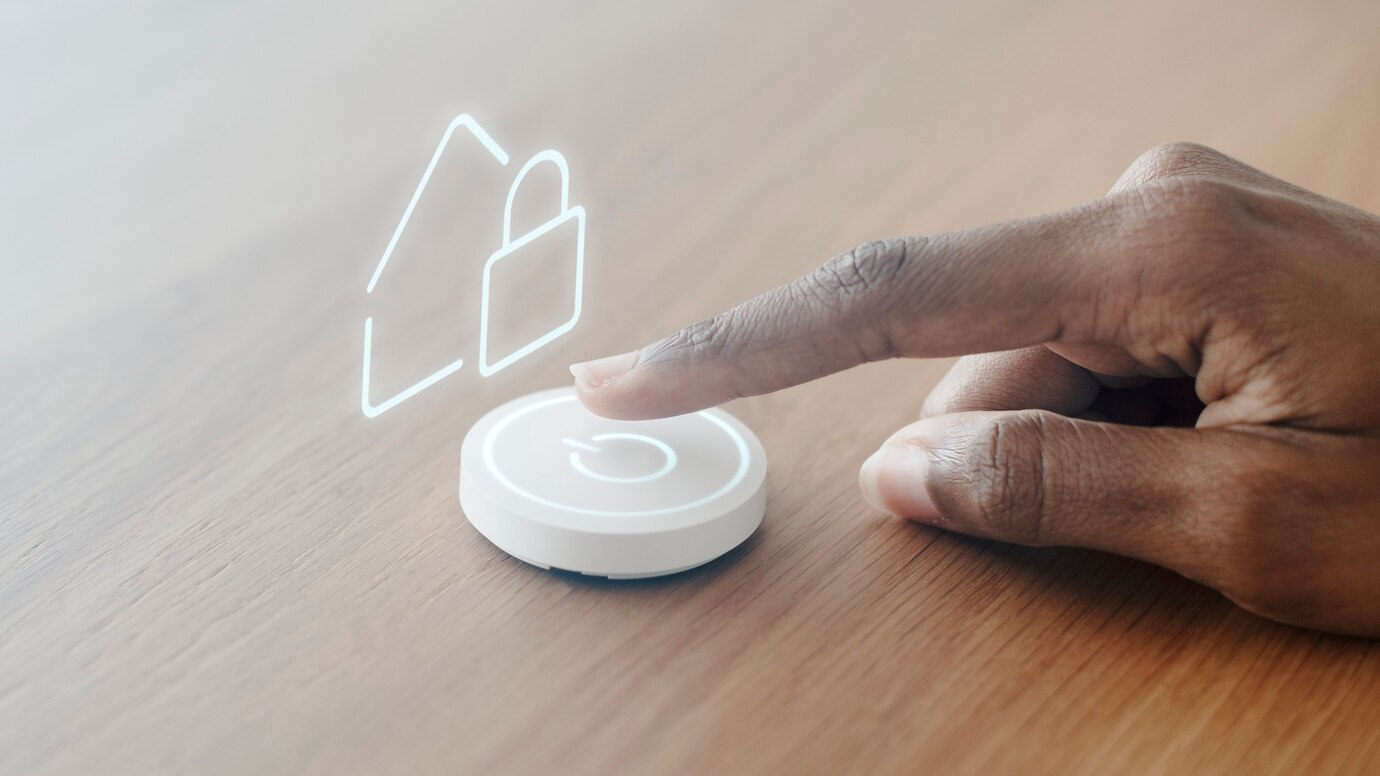
Why Every Home Needs a Security System
Installing a home security system is one of the smartest investments you can make. Beyond deterring burglars, these systems offer real-time alerts, insurance discounts, and integration with smart home technology. According to a University of North Carolina study, 60% of convicted burglars stated they would avoid homes with visible security systems.
Key Components of a Modern Security System
A home security system typically includes several interconnected devices:
Control Panel: The central hub that manages all connected components.
Entry Sensors: Placed on doors and windows to detect opening or closing.
Motion Detectors: Trigger alerts when movement is detected in designated areas.
Cameras: Provide video monitoring both indoors and outdoors.
Alarms: Emit loud sounds to scare off intruders and alert neighbors.
DIY vs. Professional Installation
Advantages of DIY Systems
DIY home security systems have become increasingly popular due to their affordability and flexibility. Key benefits include:
Lower Cost: Typically cheaper than professionally installed systems.
Customization: You choose exactly which components to include.
No Long-Term Contracts: Most DIY options are contract-free.
Simple Setup: Designed for easy installation without professional help.
Professional Monitoring Options
While DIY systems often rely on self-monitoring, many also offer optional professional monitoring. This service ensures that authorities are alerted automatically in case of an emergency, providing an extra layer of protection.
How to Choose the Right System for Your Home
With so many options available, consider these factors when making your decision:
Budget: Systems range from around $200 for basic DIY setups to over $1,000 for advanced professional installations.
Essential Features: Decide if you need cameras, smart home integration, or pet-friendly motion sensors.
Scalability: Can the system be expanded with additional sensors or cameras in the future?
User-Friendliness: Look for systems with intuitive mobile apps and clear interfaces.
Customer Support and Warranty: Reliable support and a good warranty can save headaches later.
Installation Tips for DIY Users
If you choose a DIY system, follow these steps for a successful installation:
Plan your layout: Map out optimal positions for each device.
Read instructions carefully for each component.
Test the system thoroughly after installation to ensure everything works.
Perform monthly tests to keep the system in top condition.
Frequently Asked Questions
What is the average cost of a home security system?
Costs vary widely: basic DIY systems start around $200, while professional installations with advanced features can exceed $1,000.
Can I install a system myself?
Yes, many systems are designed for DIY installation with detailed instructions.
Do these systems work during power outages?
Most have battery backups to maintain operation during outages.
Is professional monitoring necessary?
Not required, but it adds an extra layer of security by automatically notifying authorities.
How often should I test my system?
Monthly testing is recommended to ensure all components function correctly.