From Water to Air: The Interwoven Hazards of Environmental Pollution and Regulation
Explore hidden threats in water, air, and chemicals, their ecosystem impacts, and regulatory solutions. Understand the interconnected nature of pollution.
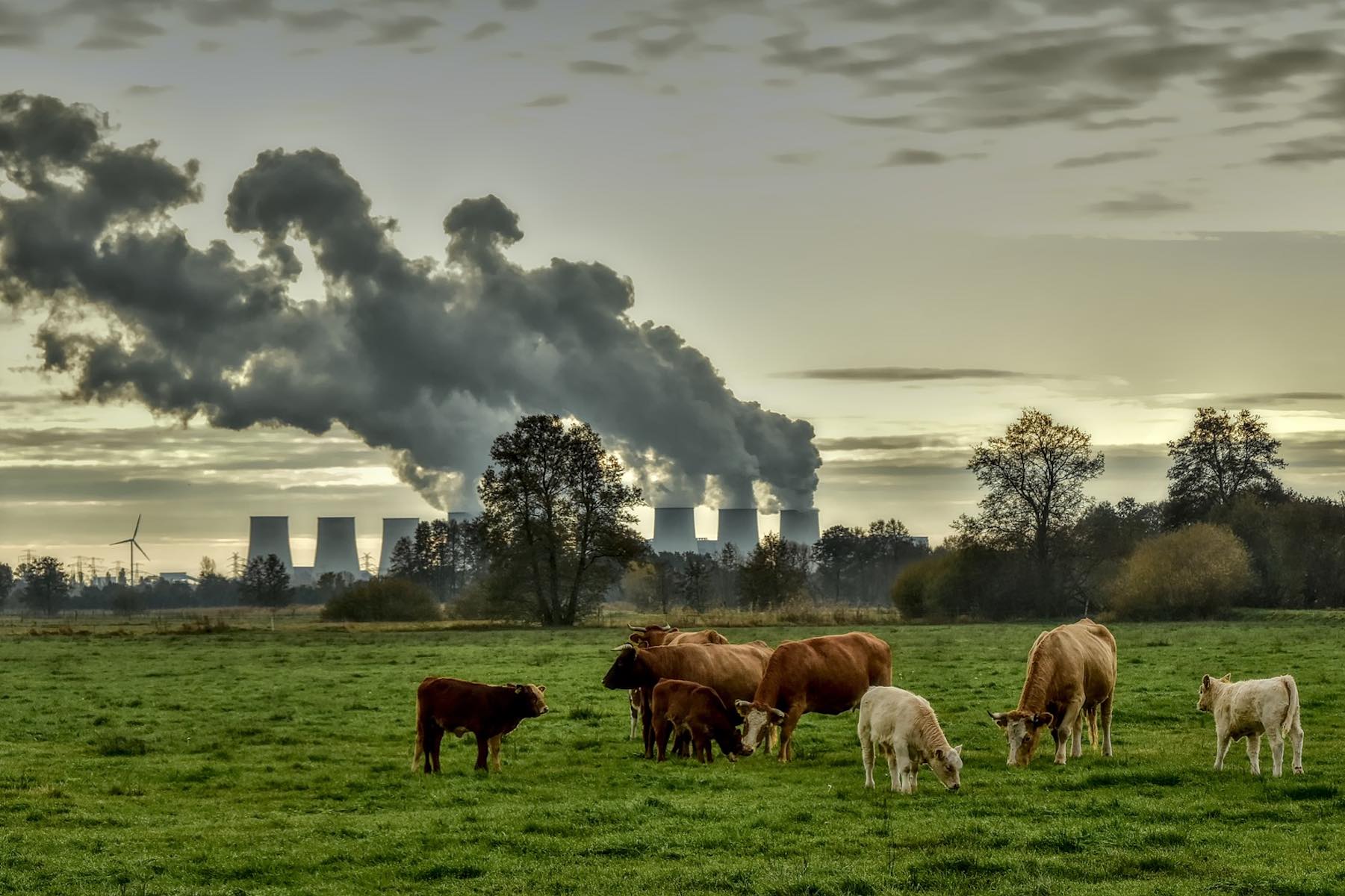
The Silent Crisis: Pollution Across Air, Water, and Ecosystems
Environmental pollution is not a single issue but a web of interconnected threats that span invisible water contaminants, airborne toxins, and persistent chemical residues. Understanding how these hazards originate, travel, and accumulate is essential for developing effective responses. This article explores the hidden dangers in water and air, the synergy between microplastics and chemicals, and the evolving regulatory landscape that aims to control them.
Waterborne Hazards: Invisible Threats Below the Surface
Pharmaceuticals and Microplastics in Waterways
Water appears clean, yet it often carries pharmaceuticals from household waste and healthcare facilities. These substances disrupt aquatic life, altering reproduction and behavior. Microplastics, formed when synthetic materials degrade, pass through treatment systems and enter food chains, posing health risks to humans and animals alike. Persistent organic pollutants (POPs) travel vast distances and endure for decades, silently affecting biodiversity.
Agricultural and Urban Runoff
Fertilizers, pesticides, and herbicides wash into water bodies during rains, causing algal blooms that deplete oxygen and kill fish. Urban runoff adds oils, metals, and lawn chemicals, compounding the problem. Identifying these diffuse sources reveals how everyday activities contribute to a complex pollution web.
Airborne Contaminants: Invisible but Impactful
Energy Production and Air Quality
Burning fossil fuels for energy releases pollutants that harm health and climate. Transitioning to renewables, improving efficiency, and adopting cleaner technologies are critical to reducing emissions. The link between economic growth and air pollution demands balanced policies.
Transportation and Urban Emissions
Vehicles emit nitrogen oxides, particulate matter, and carbon monoxide, contributing to smog and respiratory diseases. Electric vehicles, expanded public transit, and smarter urban planning can cut these emissions locally while supporting global climate goals.
Oceans and Atmosphere: A Two-Way Street
Airborne pollutants settle into oceans, altering chemistry and harming marine life. Coastal communities feel the effects directly, making integrated policies essential. International efforts now recognize that ocean health depends on clean air.
Chemical Risks: Silent Pathways and Microplastic Synergy
Chemical pollutants from industry, agriculture, and households accumulate quietly in air, water, and soil. Many persist for years, complicating cleanup. Microplastics act as carriers, concentrating toxins that then enter marine food webs. This synergy amplifies ecological damage, demanding simultaneous action on plastics and chemicals.
Regulatory Frameworks and Corporate Accountability
Enhancing Corporate Responsibility
Mandatory environmental disclosures and extended producer responsibility push companies to adopt sustainable practices. Legislation drives transparency, encouraging eco-design and waste reduction. Compliance fosters a cultural shift toward lower environmental footprints.
Economic Instruments and Environmental Law
Carbon pricing and emissions trading embed pollution costs into economic decisions, incentivizing cleaner technologies. Environmental law evolves as scientific understanding grows, closing gaps and strengthening enforcement. These tools align business objectives with ecological health.
Q&A: Common Concerns About Pollution
What are the main sources of plastic waste and how does it impact the environment? Plastic waste comes mainly from packaging, single-use items, and discarded products. It pollutes oceans and landfills, harms wildlife, and breaks into microplastics that enter the food chain.
How does air quality get affected by chemical pollutants? Chemicals like volatile organic compounds (VOCs) and particulate matter create smog, cause respiratory illness, and worsen asthma. Sources include industrial emissions, vehicle exhaust, and solvents.
What are toxic emissions, and what are their health effects? Toxic emissions (carbon monoxide, sulfur dioxide, nitrogen oxides) from fossil fuel combustion lead to cardiovascular disease, respiratory problems, and higher mortality.
How does water contamination occur, and what are its potential impacts on ecosystems? Contamination happens when heavy metals, pesticides, and industrial runoff enter water bodies. It disrupts aquatic life, reduces biodiversity, and makes water unsafe for drinking and farming.
What role do environmental regulations play in controlling pollution? Regulations set emission limits, enforce waste management, and promote cleaner production. They protect public health and the environment by reducing pollution and encouraging sustainable practices.
Addressing pollution requires understanding its interwoven nature. From individual actions to global policies, coordinated efforts are needed to safeguard health and ecosystems for future generations.