Mastering Winter Roads: Essential Gear and Safety Tips
Prepare for winter driving with essential mindset shifts, vehicle checks, safe techniques, and emergency gear. Stay safe on snow and ice.
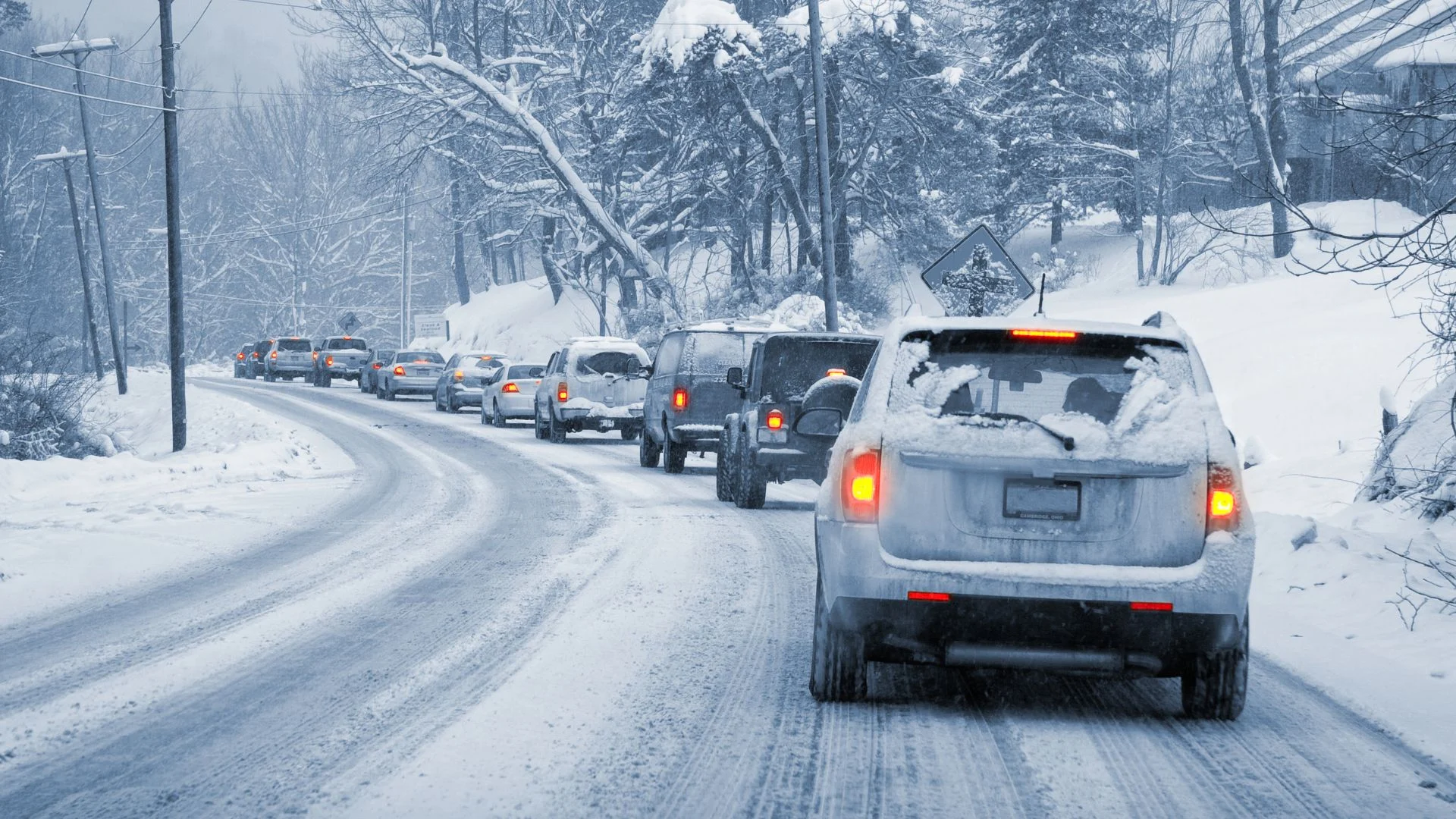
Adopting the Right Winter Driving Mindset
Winter driving requires more than just proper equipment—it begins with a mental shift. Approaching icy roads with a proactive mindset helps you stay calm and prepared for hazards like black ice, reduced visibility, and fatigue. Anticipate longer stopping distances, scan for ice on bridges and shaded areas, and schedule breaks to combat drowsiness. Your vigilance is the first line of defense against winter dangers.
Vehicle Preparation for Cold Weather
Tires and Traction
Your tires are the most critical safety component in winter. Install certified winter tires with the Three-Peak Mountain Snowflake (3PMSF) symbol when temperatures consistently fall below 7°C (45°F). Check tread depth regularly and maintain proper tire pressure, as cold weather reduces PSI. Consider carrying snow chains, traction mats, and a portable tire inflator for emergencies.
Battery, Fluids, and Visibility
Cold strains your battery and fluids. Have the battery tested and clean terminals. Top up antifreeze and use winter-grade windshield washer fluid. Replace wiper blades with winter-specific ones that resist ice buildup. Ensure defrosters and heating systems work to keep windows clear.
Safe Driving Techniques on Snow and Ice
Handling Black Ice
Black ice is nearly invisible. Reduce speed before entering risky areas (bridges, overpasses, shaded spots). If you hit black ice, stay calm—do not brake suddenly. Steer gently in the direction you want to go. Avoid abrupt acceleration or braking.
Using Modern Driving Aids
Traction control, ABS, and all-wheel drive can assist in maintaining control, but they are not substitutes for careful driving. Understand their limitations and use them to complement your skills. Maintain clear visibility by using headlights and fog lights as needed, and signal intentions early.
Emergency Preparedness and Comfort
Winter Emergency Kit
Pack a kit with blankets, flashlight, batteries, first aid supplies, non-perishable food, water, a shovel, ice scraper, traction aids (sand or cat litter), jumper cables, and a portable phone charger. This gear can turn a breakdown or stuck situation into a manageable delay.
Engine Block Heaters and Comfort Features
In extreme cold, an engine block heater warms the engine oil and coolant, reducing wear and improving fuel efficiency. Use a timer to heat before driving. Heated seats and steering wheels enhance comfort and focus, helping you remain alert on long winter trips.
FAQ: Winter Driving Essentials
How to choose the best snow tires? Look for deep tread grooves, flexible rubber at low temperatures, and the 3PMSF symbol. Consider studded tires for frequent ice; studless for general snow. Ensure size matches your vehicle.
Effective ice scraper tips? Warm the car slightly to loosen ice. Use the flat edge for thin ice, toothed edge for thick. Apply even pressure to avoid scratches. Store scraper in a warm place to prevent brittleness.
Why winter wiper blades? They use a special rubber compound that stays flexible in cold, and often have a protective cover to prevent ice buildup. They maintain better contact with the windshield than regular blades.
Role of engine block heaters? They warm engine oil and coolant before starting, reducing wear, improving fuel efficiency, and helping the cabin heat faster. Use a timer for efficiency.
What to include in a winter emergency kit? Flashlight, batteries, first aid, blankets, snacks, shovel, ice scraper, traction aids, jumper cables, tow strap, portable charger.