Digital Innovation in Chronic Care: Remote Monitoring, Medication Management, and Patient Empowerment
Learn how technology bridges gaps in chronic care with remote monitoring, smart assistants, and integrated data for personalized treatment and better adherence.
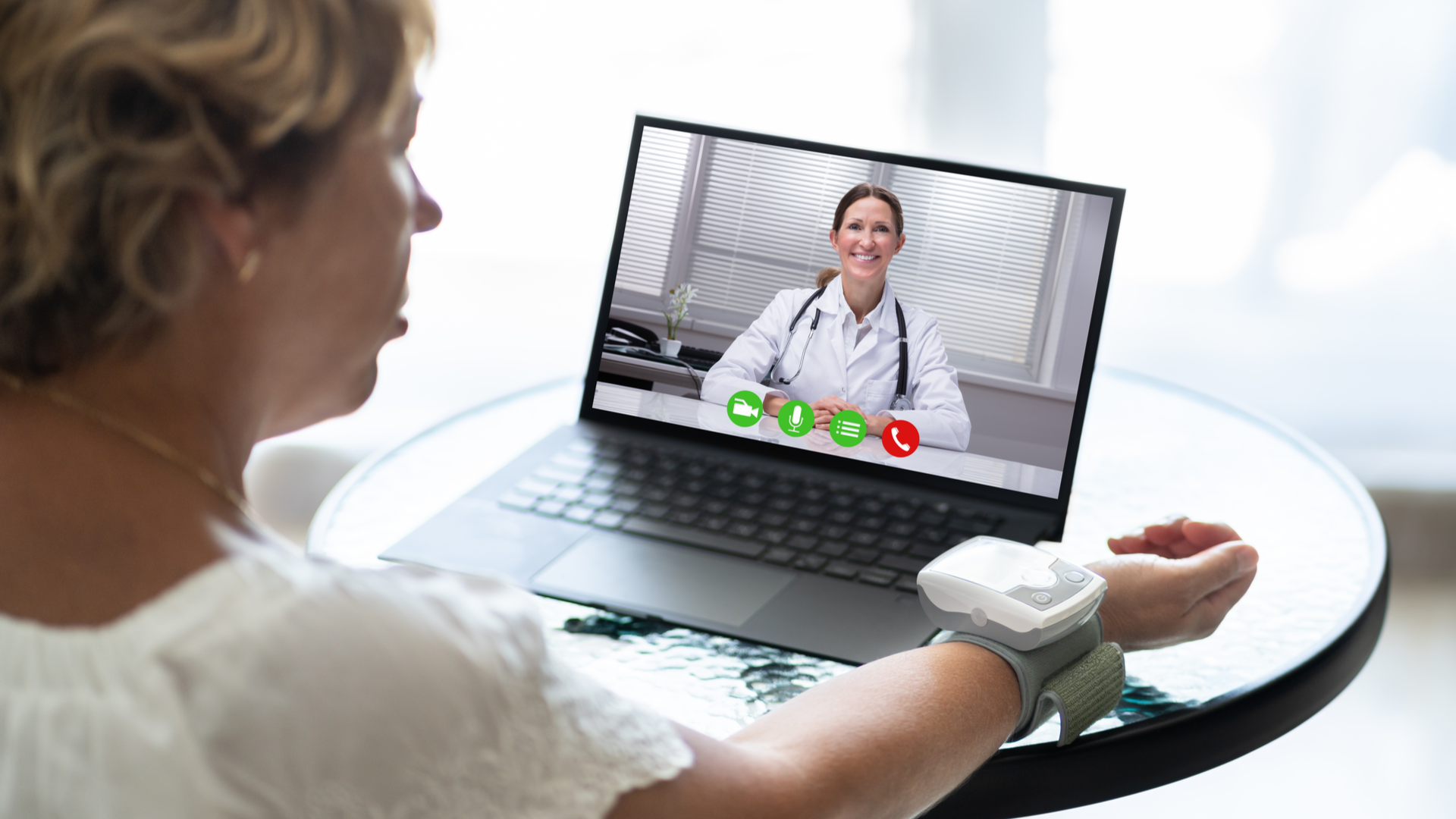
A New Era for Chronic Care: How Technology Connects Patients and Providers
Managing long-term health conditions no longer requires frequent in-person visits. Digital innovations now enable continuous care and open communication, shifting the paradigm from episodic appointments to ongoing support. This article examines the key technologies—remote monitoring, digital assistants, and data integration—that are revolutionizing chronic disease management.
Seamless Connectivity: The Backbone of Remote Care
A secure digital infrastructure is essential for effective remote care. Integrated platforms that manage electronic health records (EHRs) break down information silos, providing a unified view of a patient's health journey. In the UK, NHS Digital has implemented integrated care systems that leverage AI to coordinate care for multimorbidity, improving risk prediction and care management. Such centralized data systems enable healthcare teams to access the most current information, reducing redundancy and delays while fostering a collaborative, patient-centered approach.
Smart Home Monitoring: Real-Time Health Tracking
Wearable and portable devices now allow patients to track vital signs—such as cardiac rhythms, blood pressure, and glucose levels—from home. These sensors transmit real-time data directly to healthcare providers, offering a day-by-day health analysis. For individuals with conditions like diabetes or cardiovascular disease, early detection of anomalies (e.g., arrhythmias or glucose spikes) enables timely interventions, potentially preventing hospital admissions. This proactive monitoring shifts care from reactive to preventive, emphasizing the importance of continuous oversight.
Digital Health Assistants: Round-the-Clock Support
Automated communication tools fill the gap when providers are unavailable. Digital health assistants allow users to log symptoms, receive medication reminders, track progress, and access health information anytime. Many of these assistants integrate with telehealth platforms, collating preliminary data before consultations, making visits more efficient. By handling routine inquiries and documentation, they streamline care delivery, improve medication adherence, and empower patients to manage their health independently.
Medication Management in a Digital World
Consistency in taking medications is critical for chronic disease care. Digital solutions now act as reliable partners, offering personalized support through mobile apps and virtual systems. These tools do more than send reminders—they provide logging, monitoring, and analysis features. Patients can record doses and symptoms, building comprehensive health diaries that inform providers about medication effectiveness and side effects. This data-driven feedback loop enables personalized adjustments to treatment plans.
Beyond Reminders: Smart Monitoring Linked to Medication
Effective medication management is closely tied to health monitoring, especially for conditions like diabetes and heart disease. Wearable sensors complement reminders by tracking health metrics continuously. For example, devices can issue early warnings for low glucose levels, allowing preemptive action. Analyzing trends helps anticipate problems, leading to data-driven therapy modifications that align with individual needs.
Seamless Integration with Clinical Workflows
When app data and wearable outputs merge with EHR systems, providers receive comprehensive health status updates between appointments. If data indicates a lack of efficacy or adverse effects, the care team can adjust strategies in real time. This continuous data loop transforms healthcare from isolated visits into an ongoing, coordinated practice, ensuring each step is informed by the latest patient information and personal health trajectory.
Frequently Asked Questions
What are some benefits of using self-monitoring technologies in managing multimorbidity?
Self-monitoring technologies give patients real-time insights into their health, enabling informed lifestyle and treatment decisions. They improve communication with providers, allow timely interventions, and empower patients to take an active role, leading to better outcomes and adherence.
How can personalized treatment pathways improve long-term medication adherence?
Personalized pathways tailored to individual needs and preferences reduce the burden of complex schedules and increase satisfaction. By aligning treatment with a patient’s unique health profile and lifestyle, adherence improves, lowering the risk of complications.
What role do lifestyle intervention tracking tools play in managing chronic conditions?
These tools help patients monitor diet, exercise, and daily activities, providing feedback to identify patterns and make necessary changes. Tracking progress and setting goals encourages adherence to lifestyle modifications that significantly impact chronic condition management.
How does remote care integration enhance the management of patients with multiple chronic conditions?
Remote care integration delivers continuous support outside clinical settings, enabling timely interventions, reducing in-person visits, and improving access. Combined with existing treatment plans, it provides comprehensive care addressing multiple needs, leading to better outcomes and lower costs.
In what ways can healthcare providers coordinate care for patients with multimorbidity more effectively?
Effective coordination involves a collaborative network of professionals using shared EHRs and self-monitoring technologies. Regular communication and team-based approaches ensure holistic care that covers all conditions, improving health outcomes and patient satisfaction.
These digital partnerships represent a major shift in chronic disease management. They create opportunities for more personalized, connected, and responsive care, enabling individuals and healthcare systems to work together for better health outcomes. As technology evolves, chronic care continues to improve, offering new paths to healthier lives.