How Ocean Currents Drive Climate and Why They're Changing
Explore how ocean currents regulate climate, the rise of marine heatwaves, and steps to safeguard our seas for future generations.
The Planet's Circulatory System
Ocean flows act as Earth's climate engine, distributing heat and nutrients across the globe. Surface currents, driven by winds, carry warm water from the equator to higher latitudes, while deep currents propelled by density differences complete the cycle. This thermohaline circulation functions like a planetary thermostat, regulating temperature and sustaining marine ecosystems. Without it, weather patterns would be far more extreme and ocean life far less productive.
Rising Temperatures: Disrupting the Balance
Recent data shows ocean surface temperatures have risen significantly. Over a 13-month period, global sea surface temperatures consistently exceeded historical averages, injecting immense energy into ocean systems. This warming is driven by reduced cloud cover and changes in atmospheric aerosols. Warm water is less dense, which interferes with the sinking processes that fuel deep currents. As temperature and salinity gradients shift, the entire circulation system faces disruption.
Marine Heatwaves: A Growing Threat
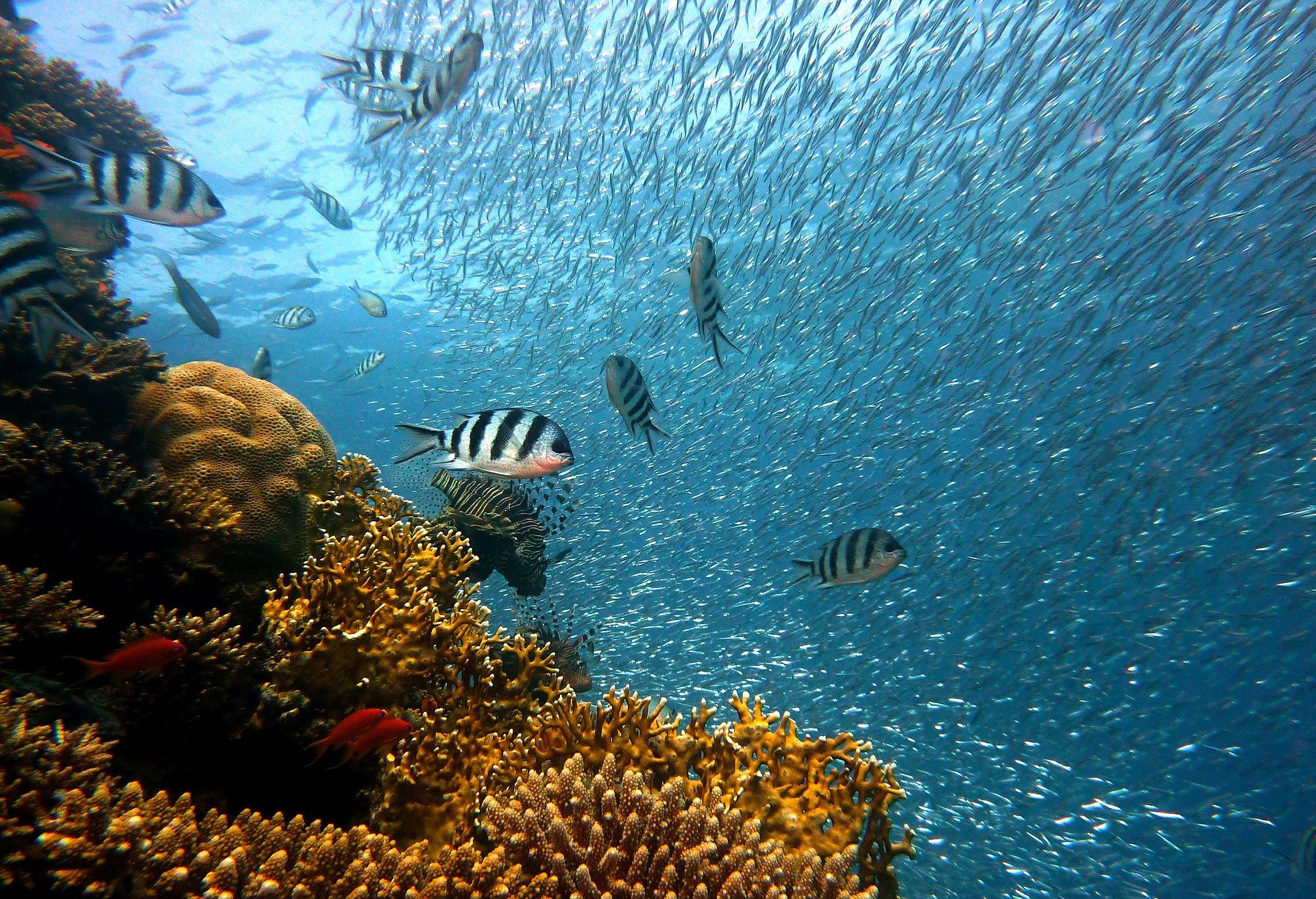
Marine heatwaves are defined as periods when sea temperatures remain above the 90th percentile for at least five consecutive days. Their frequency and intensity have surged—over the past 40 years, marine heatwave days have increased by more than 50%. These events devastate marine life, causing mass die-offs and altering habitats. Coral bleaching is one of the most visible effects: when stressed by high temperatures, corals expel their symbiotic algae, leading to widespread mortality. Recent global bleaching events have affected over 80% of the world's reefs, threatening biodiversity and coastal protection.
Cascading Impacts on Ecosystems
The disruption of ocean currents doesn't stop at temperature changes. Upwelling systems, which bring nutrient-rich deep water to the surface, are weakening in key regions. This failure cuts off the food supply for fisheries and marine ecosystems. Meanwhile, the Pacific Ocean's natural oscillations—like El Niño and La Niña—are becoming more erratic, intensifying their global influence on rainfall, storms, and droughts. These changes reveal the deep interconnectedness of ocean and atmosphere.
Adapting to a Changing Ocean
Conserving ocean systems requires action on multiple fronts. Understanding the ocean's blueprints—the relationships between currents, temperature, and biology—allows scientists to predict threats to biodiversity. This knowledge supports sustainable fisheries management, marine protected areas, and coastal adaptation strategies. Reducing pollution, transitioning to renewable energy, and adopting sustainable practices in shipping and fishing are critical steps. The future of the oceans—and human communities—depends on moving from exploitation to stewardship.
Q&A
How do ocean currents influence salinity? Currents redistribute salt and heat. Warm currents like the Gulf Stream increase salinity through evaporation, while cold currents lower it by bringing freshwater from melting ice. This balance is essential for marine life and climate.
What is the relationship between ocean temperature and marine geology? Warmer temperatures accelerate chemical weathering on the seafloor, altering geological formations. Temperature changes also affect sea level, which can trigger coastal landslides or tsunamis.
How does underwater mapping support sustainable architecture? Detailed seafloor data helps engineers design resilient structures like offshore wind farms and coastal defenses that minimize environmental impact and withstand natural forces.
Why is polar ice important for ocean currents? Melting polar ice releases freshwater, which disrupts the density-driven thermohaline circulation. Understanding this helps predict climate shifts, sea-level rise, and ecosystem changes.
What technologies improve our understanding of ocean currents? Satellites, autonomous underwater vehicles (AUVs), and remote sensing provide real-time data on temperature, salinity, and current patterns, enabling more accurate climate models and mitigation strategies.