Modern Car Safety: Automatic Braking, Lane Assist, Teen Systems & More
Discover modern car safety innovations including AEB, lane assist, blind spot monitoring, teen driver systems, and post-crash response. Stay safe on the road.
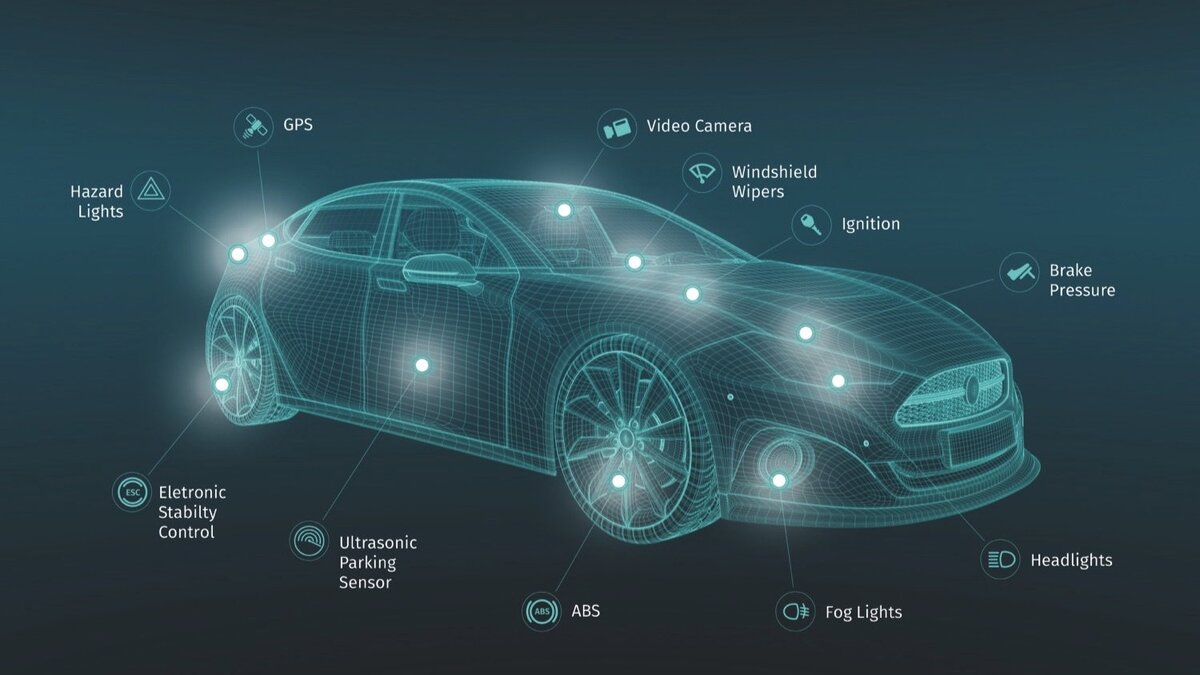
Evolution of Vehicle Safety
Today's automobiles are equipped with an array of intelligent systems that work tirelessly to prevent accidents and protect occupants. These technologies range from proactive collision avoidance to post-crash emergency response, creating a comprehensive safety net for drivers, passengers, and pedestrians alike. This article explores the key innovations redefining road safety.
Proactive Accident Prevention Systems
Automatic Emergency Braking (AEB)
One of the most critical safety features is Automatic Emergency Braking, which uses radar and cameras to detect potential collisions. If the driver does not respond in time, the system automatically applies the brakes to mitigate or avoid impact. Many modern AEB systems can also recognize pedestrians and cyclists, making them invaluable in urban environments.
Lane Keeping and Departure Warnings
Lane Departure Warning (LDW) alerts drivers when the vehicle unintentionally drifts out of its lane. Lane Keeping Assist (LKA) takes this a step further by gently steering the car back into the lane. These features significantly reduce the risk of sideswipes and road departure accidents, especially on long or monotonous highways.
Adaptive Cruise Control
Adaptive Cruise Control (ACC) maintains a preset distance from the vehicle ahead by automatically adjusting speed. This reduces driver fatigue on long journeys and improves reaction times in heavy traffic, enhancing overall safety.
Advanced Driver Assistance Features
Blind Spot and Rear Cross-Traffic Alerts
Blind Spot Monitoring (BSM) warns drivers of vehicles in their blind spots, while Rear Cross-Traffic Alert (RCTA) detects approaching cars when reversing. Together, they provide 360-degree situational awareness, preventing common collision scenarios.
Adaptive Headlights and Automatic High Beams
Adaptive headlights pivot with the steering angle to illuminate curves, and automatic high beams adjust brightness based on oncoming traffic. These lighting technologies optimize nighttime visibility, reducing the risk of striking unexpected obstacles.
Stability and Control Systems
Electronic Stability Control (ESC) monitors vehicle movement and intervenes during skids or loss of traction by applying brakes to individual wheels. Lane Keeping Assist works in tandem with ESC to keep the car centered, providing a smooth and safe driving experience even on slippery roads.
Inside the Cabin: Occupant Protection
Driver Monitoring Systems use cameras to track eye movement and facial cues, alerting the driver if signs of drowsiness or distraction are detected. Rear-seat safety has also improved with advanced restraint systems and airbag designs that protect all occupants, not just those in front.
Safety for Teen Drivers
Many manufacturers now offer Teen Driver Systems that allow parents to set speed and audio limits, and provide real-time driving reports. Combined with Driver Drowsiness Detection and automatic collision warnings, these features give inexperienced drivers a digital safety net while they build confidence. Lane-keeping tech and adaptive high beams further assist teens, helping them focus on learning rather than worrying about minor errors.
Pedestrian Detection systems also protect vulnerable road users, teaching new drivers to be aware of their surroundings at all times.
Post-Crash Response
When an accident does occur, modern vehicles can automatically place SOS calls and share precise GPS coordinates with emergency services. This rapid response can save lives by reducing the time between impact and medical assistance, especially when occupants are incapacitated.
Understanding Safety Ratings
When evaluating a vehicle's safety, consumers should refer to ratings from the National Highway Traffic Safety Administration (NHTSA) and the Insurance Institute for Highway Safety (IIHS). The NHTSA provides a 5-star rating system based on crash tests, while the IIHS rates crashworthiness from "Poor" to "Good" and evaluates crash prevention technologies. High scores in frontal, side, and rollover tests, along with advanced driver assistance features, indicate a well-protected vehicle.
The Role of Connected Data
Vehicles now share anonymized data about road conditions through telematics. This collective intelligence helps authorities identify hazardous locations—such as poorly marked intersections or frequent accident sites—and implement infrastructure improvements. Every journey contributes to making roads safer for the entire community.