The Complete Guide to Motor Oil: Types, Viscosity, Additives, and Eco-Friendly Options
Learn how to choose the right motor oil for your vehicle. Understand synthetic vs conventional, viscosity, additives, and eco-friendly options.
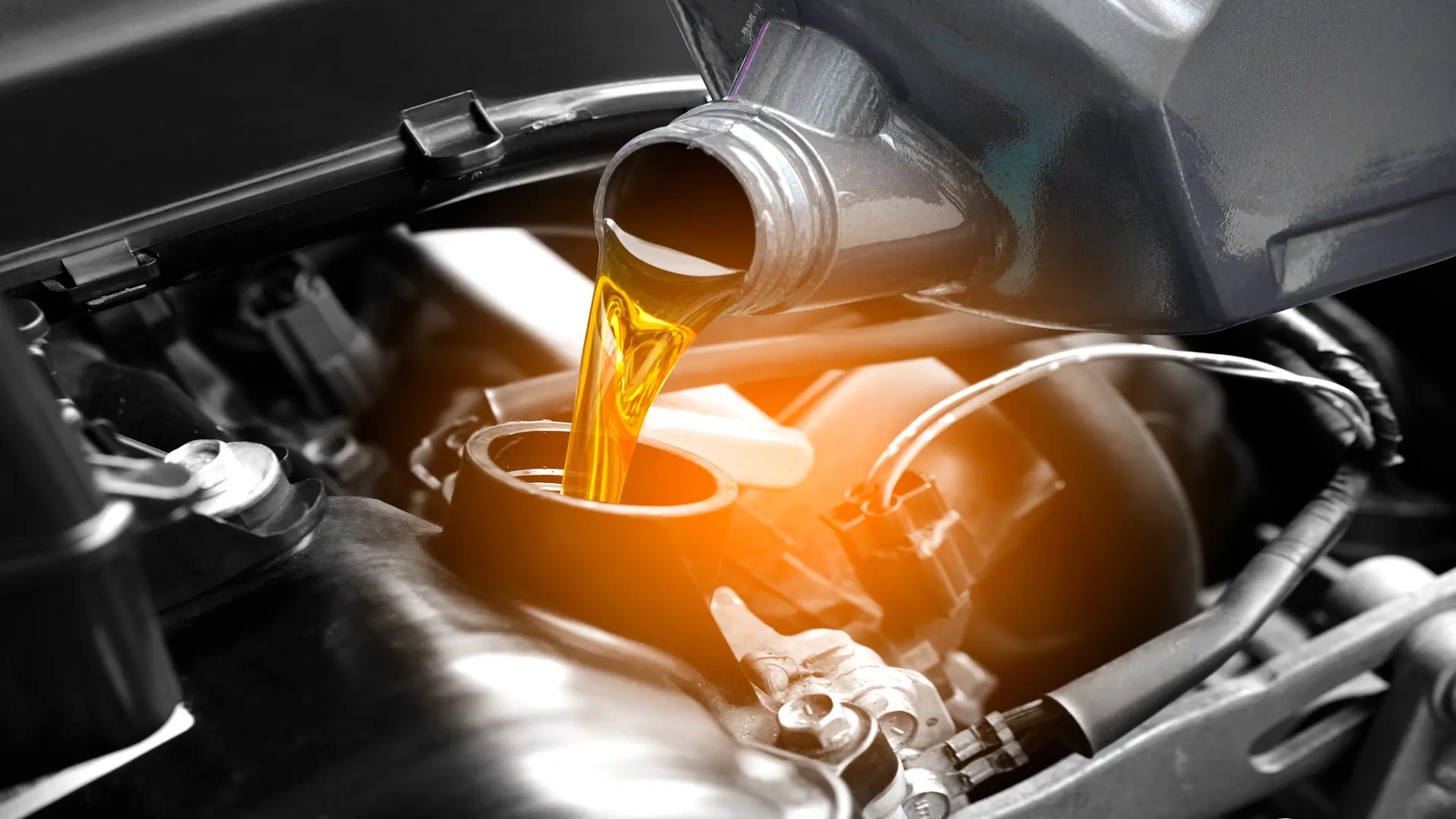
Understanding Motor Oil Basics
Motor oil is far more than a simple lubricant; it's a carefully engineered fluid that directly impacts engine performance, longevity, and efficiency. Choosing the right oil requires knowledge of its composition, viscosity, and the specific needs of your vehicle. This guide breaks down the key factors to help you make an informed decision.
Types of Motor Oil: Conventional vs. Synthetic
The two primary categories of motor oil are conventional and synthetic. Conventional oil, refined from crude oil, has been the standard for decades and remains a budget-friendly option for older engines under normal driving conditions. However, synthetic oils, produced through advanced chemical processes, offer superior molecular uniformity and performance. They provide better protection across temperature extremes, improve fuel economy, and extend engine life, making them ideal for high-performance or modern engines. Synthetic blends offer a middle ground, combining some benefits of full synthetics with a lower cost.
Viscosity: What the Numbers Mean
Viscosity, indicated by numbers like "10W-40," describes how oil flows at different temperatures. The first number (e.g., 10W) represents cold-start behavior; lower numbers mean easier flow during winter starts, reducing wear. The second number (e.g., 40) indicates thickness at operating temperature; higher values maintain protection under heat. Selecting the correct viscosity as specified by the manufacturer ensures optimal engine performance in all climates.
Choosing the Right Oil for Your Vehicle
Follow Manufacturer Recommendations
Your owner's manual is the definitive guide for oil type and viscosity. Engineers have tested the engine to recommend the best oil for longevity and performance. Ignoring these specifications can void warranties and cause damage.
Consider Your Driving Habits
Short trips and stop-and-go city driving increase sludge buildup, so a high-quality synthetic with strong detergents is beneficial. Long highway drives are less demanding, while towing or heavy loads require an oil with higher thermal stability, such as a premium synthetic.
Factor in Climate
In cold regions, use oil with a low winter viscosity rating (e.g., 0W or 5W) for quick circulation during startup. In hot climates, higher operating viscosity (e.g., 50) helps maintain a protective film.
Additives and Performance Ratings
Modern motor oils contain sophisticated additive packages that clean, protect, and reduce friction. Detergents prevent sludge, anti-wear agents form protective films on metal surfaces, and friction modifiers improve fuel economy. Look for certification seals like API (American Petroleum Institute) or ILSAC (International Lubricant Standardization and Approval Committee) to ensure the oil meets industry standards for quality and compatibility.
Environmental Impact and Sustainable Options
Traditional motor oil production relies on fossil fuels and improper disposal can harm the environment. The industry is shifting toward eco-friendly lubricants made from renewable or biodegradable materials. These oils reduce carbon footprints by enhancing fuel efficiency and lowering emissions. Choosing such products supports sustainability without compromising engine protection.
Frequently Asked Questions
1. How do viscosity grades affect performance?
Viscosity grades determine oil flow at cold and hot temperatures. Using the correct grade ensures reliable startup protection and stable lubrication under heat. Always follow the owner's manual.
2. What role do additives play?
Additives clean the engine, minimize wear, and improve fuel economy. They are essential for meeting modern engine demands. Oils with advanced additive packages are recommended for newer or high-performance vehicles.
3. How often should oil be changed?
Intervals vary: conventional oil every 3,000–5,000 miles, synthetic oil every 5,000–10,000 miles or more, depending on driving conditions and vehicle age. Modern oil life monitoring systems can provide personalized recommendations.
4. What is the environmental impact of motor oil?
Improper disposal pollutes, and production uses fossil fuels. Manufacturers are developing bio-based oils that improve fuel efficiency and reduce emissions, helping drivers lower their ecological footprint.