How the Brain Communicates: Neurons, Memory, and Brain-Computer Interfaces
Explore how the brain's neural networks enable communication, memory, and social interaction, plus emerging brain-computer interfaces that merge mind with machine.
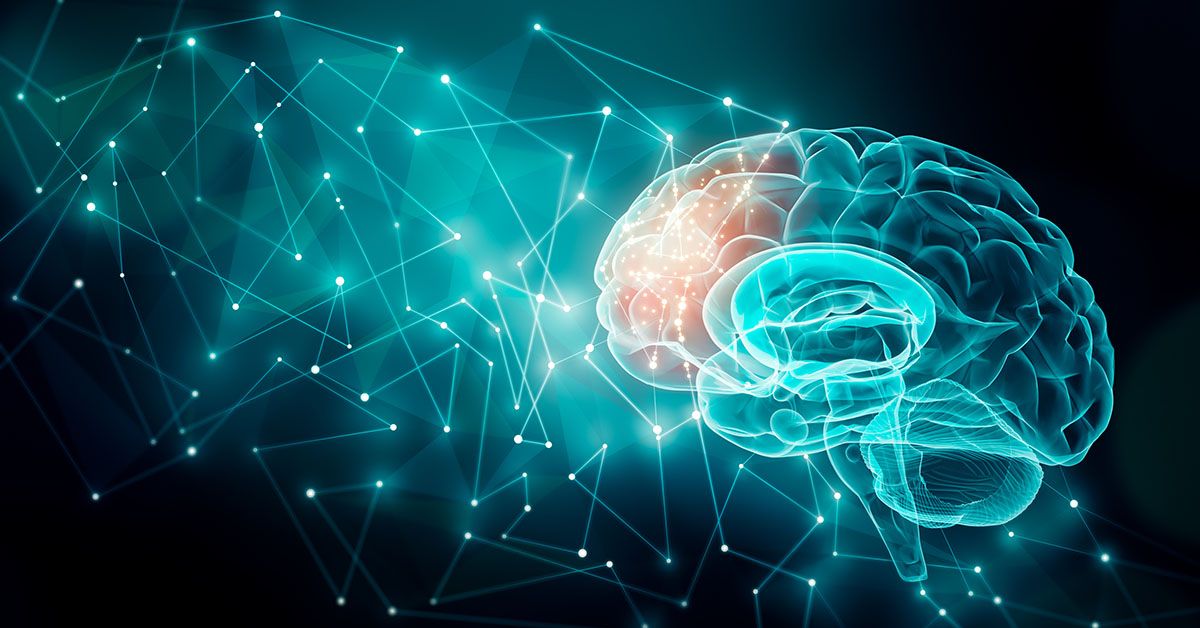
Overview of Brain Communication
The human brain is a complex communication hub, coordinating signals across billions of neurons to control everything from reflexes to abstract thought. This system depends on a stable internal environment, particularly the balance of electrolytes like sodium and potassium, to ensure rapid and accurate signal transmission. Understanding this intricate network reveals how disruptions—even small ones—can trigger widespread effects on cognition and behavior.
Neurons: The Building Blocks of Signaling
Neurons act as the brain's primary communication channels, receiving and forwarding electrical and chemical signals at high speed. This activity demands considerable energy, highlighting the need for a consistent metabolic supply and ionic homeostasis. Recent research shows that local disruptions can cascade across the network, underscoring the importance of balanced neural activity for overall brain health.
Social Synchronization and the Brain
Beyond individual processing, the brain is wired for social interaction. Cooperative behavior triggers unique neural markers, with regions such as the amygdala and temporoparietal junction activating in synchrony during teamwork. This synchronization enhances collective performance and reveals underlying intentions, emphasizing the brain's role in collaboration and empathy.
Memory Management: The Hippocampus and Beyond
The hippocampus, a seahorse-shaped structure in the temporal lobe, is central to memory formation and retrieval. Rather than storing memories like a hard drive, it coordinates the encoding and integration of information, distributing memory traces across the brain. When we recall an event, the hippocampus retrieves these dispersed traces, ensuring our experiences are accurately recorded and connected.
The Dynamic Nature of Memory
Memory is an active, evolving process rather than a static archive. Modern research shows that neurons constantly integrate new experiences with past memories, updating our worldview. Novelty detectors—specialized neurons that distinguish new from familiar stimuli—play a key role in recognition memory and highlight the brain's plasticity. This adaptive mechanism allows us to navigate an ever-changing environment efficiently.
Bridging Brain and Technology
Advances in neuroscience now enable direct interfaces between the brain and digital systems. Brain-computer interfaces (BCIs) decode neural activity patterns, translating intentions into commands for prosthetic limbs, communication devices, or other external tools. These systems not only offer therapeutic benefits for individuals with motor or sensory impairments but also open new avenues for cognitive enhancement.
Non-Invasive Stimulation and Future Directions
Techniques like transcranial direct current stimulation (tDCS) gently modulate neural activity, enhancing memory, focus, and learning without surgery. Such methods leverage the brain's natural plasticity and hold promise for treating cognitive decline. Additionally, mobile and wearable devices are transforming how we study brain development in real-world settings, offering insights into early cognitive pathways and lifelong brain health.
Frequently Asked Questions
What are neural pathways and how do they influence memory formation? Neural pathways are networks of neurons that transmit signals. They are strengthened during learning, making it easier to recall information later.
How does brain plasticity affect cognitive functions? Neuroplasticity allows the brain to reorganize by forming new connections, which is vital for learning, recovery from injury, and enhancing cognitive abilities through practice.
What role do neurotransmitters play in brain function? Neurotransmitters are chemical messengers that regulate mood, decision-making, and memory. For example, dopamine influences reward, while serotonin affects mood.
How are brain-computer interfaces (BCIs) used in medical applications? BCIs enable direct brain-to-device communication, helping individuals with disabilities control prosthetics or communicate via computers, thereby improving quality of life.
Can enhancing neurotransmitter levels improve cognitive functions? Yes, but balance is key. Boosting acetylcholine may enhance memory, while increasing dopamine can improve attention. Imbalances can lead to disorders like depression.