Warehouse Racking Solutions: Boost Efficiency with the Right System
Discover how to optimize warehouse storage with selective, drive-in, pallet flow, and cantilever racking systems. Improve space, safety, and fulfillment.
Why Warehouse Racking Matters for Operational Efficiency
Warehouse racking systems are the backbone of modern storage. They maximize vertical space, improve organization, speed up order fulfillment, and enhance safety. The right system turns a chaotic warehouse into a streamlined operation, reducing labor costs and accident risks. Choosing among selective, high-density, cantilever, and mobile racking depends on inventory type, turnover rate, and facility constraints.
Comparing Common Racking Systems
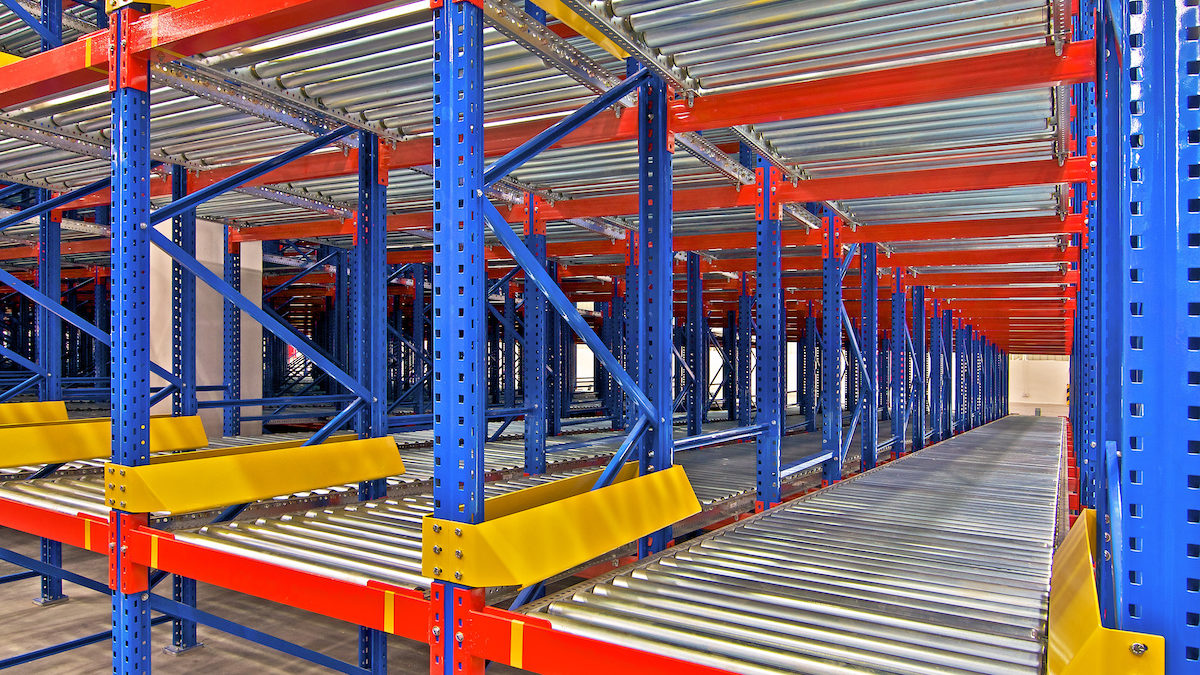
Selective pallet racks offer direct access to each pallet, ideal for fast-moving SKUs and FIFO inventory. Drive-in and drive-through racks minimize aisle space for large quantities of homogeneous goods, using either LIFO (drive-in) or FIFO (drive-through). Pallet flow racks rely on gravity for efficient FIFO rotation of perishables. Push-back systems use inclined carts for LIFO in medium-turnover applications. Cantilever racks store long, bulky items like lumber or pipes with an open-front design for easy loading. For very high-density needs, double deep racks store pallets two deep, requiring specialized forklifts.
| System | Best For | Access Method |
|---|---|---|
| Selective Racking | Diverse inventory, frequent rotation | Direct (FIFO) |
| Drive-In/Through | Large volumes, low-SKU goods | LIFO or FIFO |
| Pallet Flow | Perishables, FIFO requirement | Gravity-fed (FIFO) |
| Push-Back | Medium-turnover, LIFO | Lane access (LIFO) |
| Cantilever | Long/irregular items | Open front |
| Double Deep | High-density storage | Two-deep (requires reach truck) |
Key Factors Beyond Pallet Weight
Selecting a racking system goes beyond load capacity. Consider inventory turnover – FIFO vs LIFO – product dimensions, throughput needs, and facility layout. Cold storage facilities benefit from mobile racking, which reduces aisle space and lowers energy costs. Mobile systems integrate with automated guided vehicles (AGVs) and warehouse management systems for greater efficiency. Sustainability also plays a role: denser storage reduces the volume that needs cooling, cutting energy bills.
Racking vs Shelving: When to Use Each
Pallet racking is designed for heavy, palletized goods moved by forklifts. Shelving suits smaller, manually picked items. Many warehouses use a hybrid approach, combining both for optimal space use and workflow. Proper installation and clear labeling further boost safety and productivity.
Frequently Asked Questions
What is the most common warehouse racking system? Selective pallet racking is the most widely used because it offers direct access to every pallet and is easy to reconfigure.
How does racking improve warehouse safety? By organizing inventory, reducing clutter, and eliminating unstable stacking, racking minimizes accident risks. Clear labeling aids quick retrieval and prevents mishandling.
Can mobile racking work in cold storage? Yes, mobile racking is ideal for cold storage because it maximizes density, reducing the cooled space required and saving energy. It also integrates with automation for higher throughput.