Patterns and Predictions: The Heartbeat of Data Science Innovation
Explore how data mining, predictive modeling, and pattern recognition turn complex data into actionable insights, driving innovation across industries.
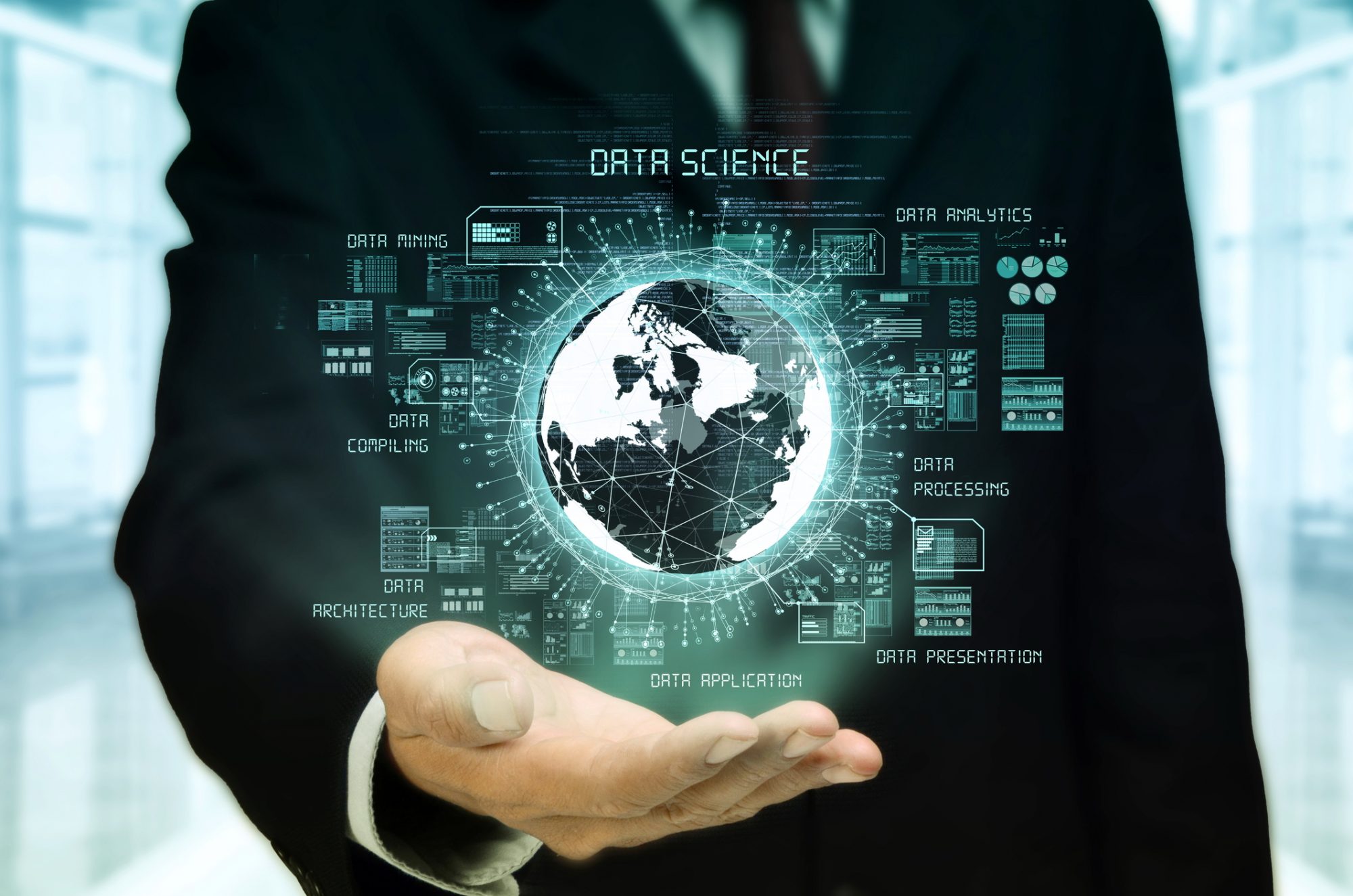
Harnessing Data Complexity: From Noise to Signal
Modern data is no longer confined to neat rows and columns. It arrives as text, images, audio, and video—each layer carrying context and nuance. The true challenge lies not in volume but in the diversity of these sources. Data mining techniques use advanced algorithms to sift through unstructured data, revealing hidden correlations that drive breakthroughs in customer sentiment analysis, fraud detection, and scientific discovery. By integrating multiple data types—such as combining clinical notes with genetic information in healthcare—organizations transform raw noise into actionable signals.
Tools That Uncover Patterns
Data scientists rely on powerful computational systems to analyze vast datasets and identify subtle relationships. These tools can spot trends that even experienced analysts might miss. For example, mining customer feedback across platforms reveals emotional drivers beyond simple sales figures, enabling companies to anticipate market shifts. Similarly, pattern recognition in genomics helps identify genetic markers linked to diseases, accelerating personalized medicine. Data visualization plays a crucial role here, turning complex datasets into graphs and heatmaps that make patterns instantly visible, bridging the gap between analysis and insight.
Human Expertise Meets Machine Power
Technology alone is not enough. Human judgment steers the analysis, interprets results, and ensures ethical application. Professionals skilled at translating technical outputs into real-world strategies align data-driven decisions with actual needs. This collaboration—where humans oversee the loop rather than being inside it—enables organizations to move from reactive fixes to proactive foresight.
Predictive Modeling: Foresight in Action
Predictive modeling transforms historical data into forecasts that drive smarter decisions across industries. By applying algorithms to identify patterns, organizations can predict customer behavior, assess risk, or anticipate disease outbreaks. The foundation of any reliable model is clean, comprehensive data. When real-world data is scarce, synthetic data provides a privacy-safe alternative for robust training. Edge analytics further enhances speed by processing data at its source—such as in smart factories or urban sensors—enabling immediate responses to changes. Autonomous systems take this a step further, acting on predictions without human intervention: optimizing delivery routes, adjusting marketing campaigns in real time, or reordering inventory.
Democratizing Data Insights
Intuitive tools now allow users beyond data scientists to interact with data. Dashboards and natural-language interfaces empower every level of an organization to make informed decisions. Accessibility boosts a culture of data-driven strategy, where teams integrate insights into daily operations without needing deep technical expertise.
Transforming Industries Through Algorithms
Algorithms are shifting industries from reactive to proactive. In manufacturing, sensor data forecasts equipment failures, allowing maintenance before breakdowns occur. Logistics systems analyze traffic and weather in real time to optimize routes, cutting costs and delivery times. Instead of replacing human workers, these systems handle vast data processing, freeing people to focus on strategy, creativity, and complex decision-making. In finance, algorithms flag anomalies while experts evaluate their significance. The same data-driven approach accelerates innovation: by simulating thousands of material combinations, algorithms shorten discovery cycles in fields from materials science to drug development.
Trust Through Transparency
For predictive technologies to be embraced, they must be fair and understandable. Transparent model logic and robust governance frameworks ensure that predictions are not only accurate but also ethical. Building trust in these systems is essential for long-term adoption across sectors like healthcare, finance, and public policy.
Data science continues to evolve, turning raw information into patterns that inform decisions, spark innovation, and shape a more responsive future.