From Impound Lot to Auction Block: How Police Auctions Really Work and Where to Find Cheap Seized Cars
Discover how cars get impounded, the auction process, and tips for buying cheap seized vehicles at police auctions online or locally.
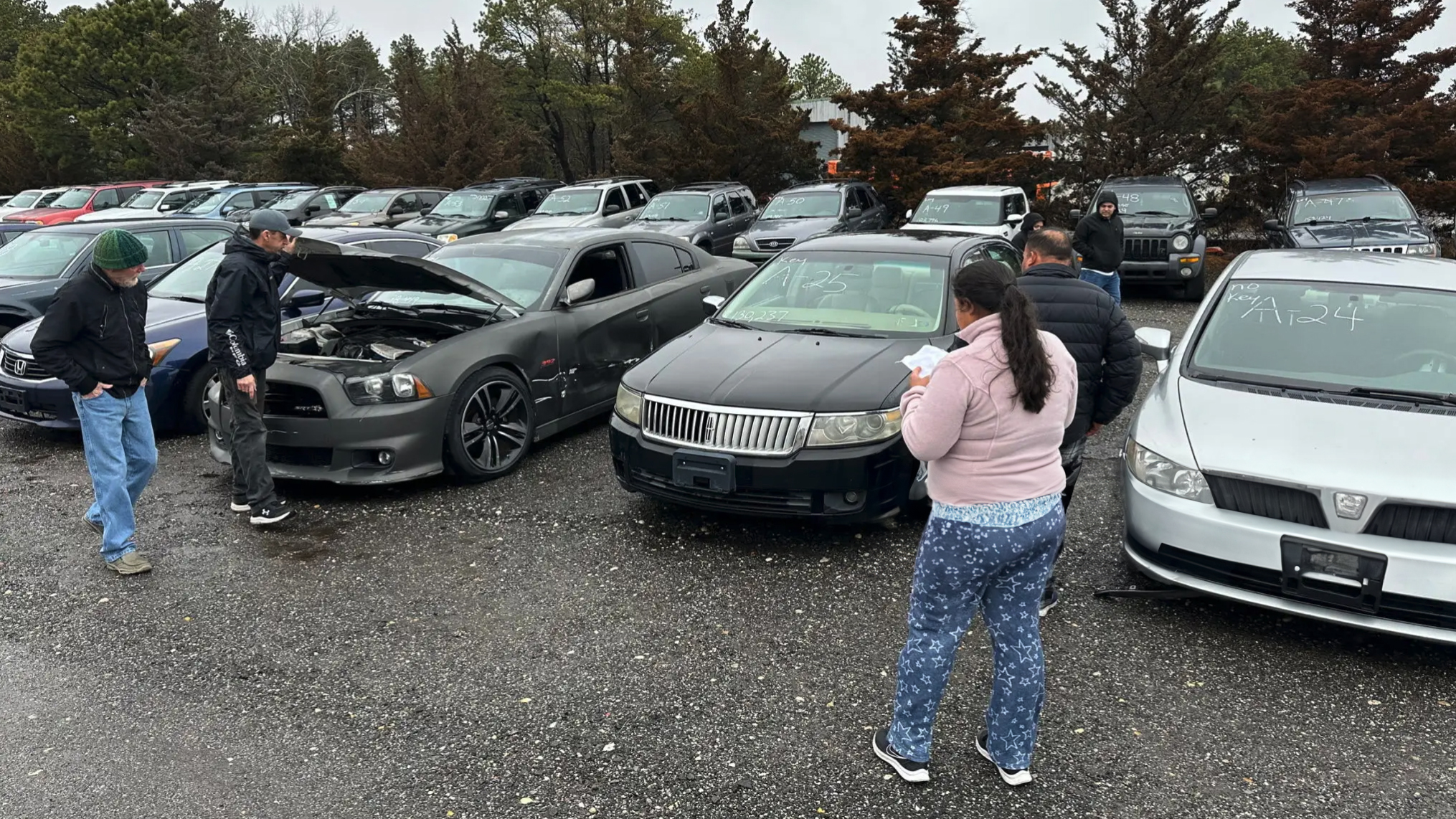
Why Cars Get Impounded: More Than Just Major Violations
Most people assume that impounded cars come from high-speed chases or serious crimes, but the reality is far more ordinary. Everyday infractions like parking in restricted zones, blocking driveways, or letting vehicle registration expire are among the top reasons cars are towed. Once towed, the vehicle enters a secure lot where fees accumulate daily. If the owner cannot pay, the car stays until it is sold at auction.
Common Triggers for Towing
Traffic violations are the biggest source of auction inventory. Officers routinely patrol for expired tags, illegally parked cars, and vehicles with visible safety defects such as broken lights or bald tires. Authorities also target abandoned cars that have not moved for weeks, often left on city streets or private lots. After accidents, damaged vehicles that block traffic are removed immediately, adding to impound lots.
What Happens After Your Car Is Towed
When a car disappears from its spot, it has likely been moved to a secure impound facility. The first step to retrieval is identifying who authorized the tow: police, city code enforcement, or a private property owner. Each authority stores the vehicle in a different location and requires different paperwork. Once inside, storage charges begin, and a legal clock starts. If the car is not claimed within a set period (which varies by state—sometimes just days, sometimes a month), the lot can sell it at auction to recover costs.
Fees, Deadlines, and How to Get Your Car Back
Recovering an impounded vehicle requires quick action. You will need to pay towing fees, daily storage, and any fines tied to the violation. Many owners miscalculate the total or delay, leading to the car moving to auction. For bidders, the same speed matters: winning a bid usually requires full payment within three to five business days. Late payment can result in losing the vehicle and forfeiting deposits.
Local Auctions vs. Online Bidding: Which Is Better?
Buyers have two main routes to buy seized cars: attending in-person municipal auctions or bidding through online marketplaces. Local auctions let you inspect the vehicle, check the engine oil, and smell the interior—giving confidence that digital photos cannot. However, inventory is inconsistent and limited to what the local impound lot holds. Online platforms aggregate vehicles from across the country, offering thousands of options filtered by make, model, and condition. The trade-off is you cannot test drive, and extra fees like buyer premiums (10–15%) and shipping costs apply.
Hidden Costs and Platform Specialties
Online bidders must watch for service charges and internet bid fees that local auctions lack. Not all websites are equal: some focus on government surplus, others on insurance write-offs. Knowing which platform matches your goal—finding a cheap project car vs. a reliable daily driver—helps avoid surprises when the invoice arrives.
Frequently Asked Questions
Q: What everyday situations land a car in impound? A: Expired registration, parking in restricted zones, blocking driveways, and serious mechanical issues are the most common reasons. Once towed, storage fees pile up quickly.
Q: Who can authorize a tow? A: Police, city code enforcement, or private property owners. The authority determines where the car is stored and what steps are needed to retrieve it.
Q: How does a car end up at auction? A: If the owner does not pay fees within the statutory period, the impound lot sells the vehicle at auction to recover costs. That is how police auctions get their inventory.
Q: Is it better to buy locally or online? A: Local auctions allow physical inspection; online gives wider selection. Choose based on your budget, comfort with risk, and need for a specific model.