Racing Safety and Performance: Essential Gear, Techniques, and Track Preparation
Master racing safety and performance: essential gear, braking systems, tires, track insurance, and advanced driving techniques for confident speed.
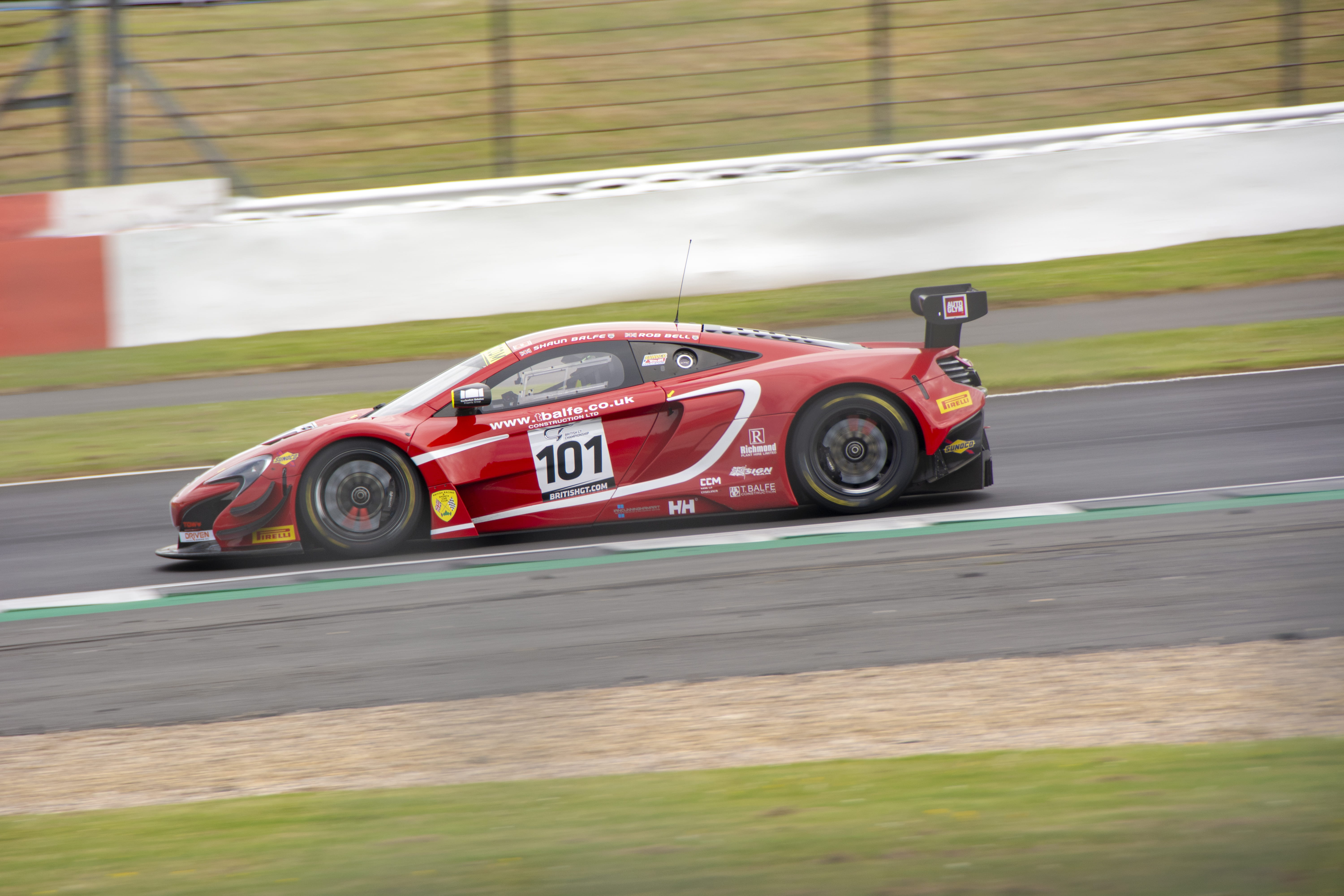
Mastering the Racing Craft: Skill and Preparation
Success on the track depends on merging driver ability with equipment reliability. From precision driving to safety gear, every element must work together to achieve both speed and security. This guide covers the core components of racing preparation, including advanced driving techniques, safety standards, brake and tire upgrades, and track insurance requirements.
Precision Driving Fundamentals
Converting a car's power into smooth, fast laps requires mastering steering, braking, and acceleration. Tight technical courses demand precise inputs, while loose surfaces call for dynamic traction control. Regardless of the track, drivers must adapt these fundamentals to each unique layout. High-fidelity simulators offer a risk-free environment to develop muscle memory and decision-making, translating into instinctive reactions on the actual circuit.
Ergonomics and Cockpit Setup
A well-configured seat and control layout reduce fatigue and sharpen focus. Proper seating position and harness placement keep the driver locked in, allowing full concentration on the race. This physical comfort is as critical as mental preparation for consistent performance.
Safety Equipment: Your Lifeline on Track
Safety gear forms the foundation for confident driving. Every piece, from helmet to harness, must meet stringent standards to protect in high-speed incidents.
Personal Protective Gear
Helmets: Must meet Snell SA2020 or FIA 8860 standards. Full-face designs are mandatory for track days and racing.
Racing Suits: FIA-approved fire-resistant suits are required. Multilayer suits are recommended for endurance events.
Gloves and Boots: Fire-resistant gloves prevent grip loss from sweat; boots provide precise pedal control and heat protection.
Harnesses and Window Nets: Harness bars secure the driver firmly. Window nets keep limbs and debris inside the vehicle during crashes.
Vehicle Safety Upgrades
Mechanical failures can end a race instantly. Engine covers made from impact-resistant materials protect critical components during slides. Brake upgrades, including high-friction pads and vented rotors, resist fade and ensure consistent stopping power.
Brakes and Tires: Cornerstones of Control
Stopping power is just as crucial as acceleration. A comprehensive brake system—featuring temperature-resistant pads, slotted discs, and high-boiling-point fluid—prevents fade under extreme heat. Brake ducts direct airflow for cooling, and mastery of threshold braking maximizes safety.
Tires are the final interface between car and track. Racing slicks (no tread) maximize the contact patch for dry conditions. Proper heat cycling and pressure management are essential to maintain grip throughout a session. Slicks must be handled carefully when cold; pressure adjustments account for heat expansion.
Track Insurance: Protecting Your Investment
Standard auto policies exclude track incidents. Track insurance covers physical damage to your vehicle on a per-event basis, with agreed value for total loss. Drivers in the US, UK, and Australia typically need at least $1 million liability coverage. Promoters must also carry event insurance with participant coverage.
Advanced Driving Techniques
Threshold Braking: Apply brakes hard just before the limit of lock-up to maximize deceleration without overheating.
Trail Braking: Brake while turning into a corner to maintain speed and manage weight transfer.
Heel-and-Toe Downshifting: Smooth gear changes while braking, preserving balance.
Cornering: Smooth steering inputs, precise apex hitting, and proper throttle modulation reduce lap times.
Frequently Asked Questions
What safety equipment is essential for a racing driver? Certified helmet (Snell SA2020 or FIA 8860), fire-resistant suit, gloves, boots, harness, and window net. Helmet must fit snugly; suit material like Nomex provides flame protection.
How do performance brakes enhance stopping power? High-temperature pads and slotted/vented rotors resist fade. Braided steel lines and high-boiling-point fluid improve pedal feel and reliability. Brake ducts aid cooling.
What are racing slicks and how do they improve performance? Slicks have no tread for maximum contact patch. Soft rubber compounds offer superior dry grip but require careful temperature management. Proper warm-up is critical.
Why is track insurance important? Standard auto insurance excludes track incidents. Per-event policies cover physical damage with agreed value, ensuring fair compensation in total loss.
What advanced driving techniques improve lap times? Heel-and-toe downshifting, threshold braking, trail braking, and smooth cornering. These optimize speed and vehicle control while preserving tire and brake life.
The comprehensive approach—combining driving skill, safety gear, mechanical upgrades, and insurance—ensures each lap is both thrilling and secure.