VR in the Enterprise: Transforming Collaboration, Training, and Customer Experiences
Discover how VR revolutionizes collaboration, training, and customer experiences with immersive simulations and digital twins.
How VR Is Transforming Enterprise Operations
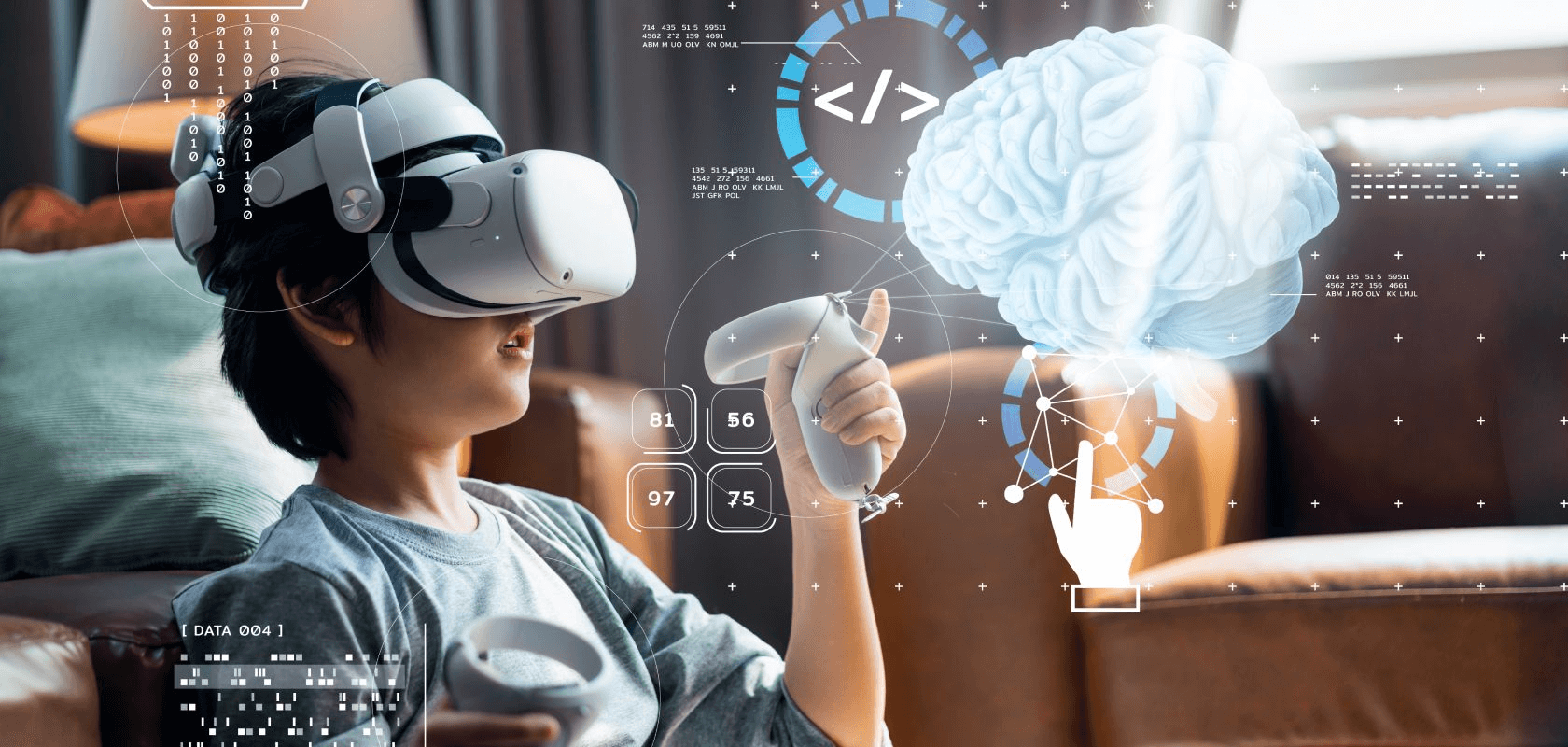
Virtual reality (VR) is no longer just a gaming novelty—it has become a powerful tool for businesses worldwide. By creating immersive, interactive environments, VR enables companies to collaborate across distances, train employees without risk, and engage customers in entirely new ways. This article examines the most impactful enterprise applications of VR, from digital twins to virtual showrooms.
Revolutionizing Collaboration with Virtual Spaces and Digital Twins
Modern teams are often spread across continents, making effective collaboration a challenge. VR addresses this by providing shared virtual spaces where participants can interact with 3D models, data visualizations, and each other as if they were in the same room. This level of immersion boosts creativity and decision-making, while reducing travel costs and carbon footprint.
Digital Twins for Real-World Simulation
Digital twins—virtual replicas of physical systems—allow businesses to test scenarios without real-world consequences. For example, manufacturers can simulate entire production lines to identify bottlenecks, test new layouts, or predict equipment failures. This proactive approach saves millions in downtime and repairs, and informs better strategic decisions.
Immersive Training and Skill Development
Traditional training often involves expensive physical setups or exposes trainees to dangerous environments. VR offers a safe, repeatable, and cost-effective alternative. Trainees can practice complex procedures until they achieve mastery, without any risk to people or equipment.
Risk-Free Simulations for High-Stakes Industries
In healthcare, medical students perform virtual surgeries with haptic feedback that mimics real tissue. In aviation, pilots rehearse emergency landings in simulated cockpits. These experiences build muscle memory and confidence, leading to better performance in real situations.
Interactive Learning That Boosts Retention
VR turns passive learning into active exploration. Instead of reading about a concept, learners can manipulate 3D models, walk through historical reconstructions, or disassemble complex machinery. This hands-on approach significantly improves comprehension and recall, especially in STEM fields.
Enhancing Customer Experience with VR
Beyond internal operations, VR is reshaping how businesses interact with customers. From virtual product try-ons to immersive property tours, VR creates memorable experiences that drive sales and loyalty.
Virtual Showrooms and Property Tours
Retailers use VR to let customers browse products in lifelike 3D settings. Shoppers can examine details, change colors, or see how furniture fits in their home—reducing returns and increasing satisfaction. Real estate agents offer virtual walkthroughs of properties, allowing international buyers to tour homes without traveling, expanding the market reach.
Customer Involvement in Product Development
VR enables companies to involve customers in the design process. By testing prototypes in virtual environments, businesses gather real-time feedback on usability and aesthetics, leading to products that better meet consumer needs.
The following table summarizes how VR technologies are applied across key industries:
| Application Area | Immersive Experiences | Head-Mounted Displays | Motion Tracking | Haptic Feedback | Content Development | Enterprise Applications |
|---|---|---|---|---|---|---|
| Manufacturing | Virtual assembly line simulations | Oculus Quest Pro, HTC Vive Focus 3 | Inside-out tracking, Leap Motion | HaptX Gloves, Teslasuit | Custom VR training modules | Remote maintenance, digital twins |
| Healthcare | Surgical simulations, patient therapy | Varjo XR-3, Meta Quest 3 | OptiTrack, Vive Trackers | Haptic vests, force feedback controllers | Medical VR scenarios | Remote diagnostics, surgical planning |
| Retail | Virtual showrooms, product visualization | Apple Vision Pro, Pico 4 | Vive Trackers, camera-based systems | Haptic gloves, feedback suits | 3D product modeling | Customer experience, staff training |
| Education | Virtual classrooms, immersive learning | Meta Quest 3, HP Reverb G2 | Vive Trackers, Kinect | Haptic feedback devices | VR curriculum development | Remote learning, skills training |
| Real Estate | Virtual property tours | Oculus Rift S, HTC Vive | Vive Trackers | Haptic controllers | 3D walkthroughs | Remote property sales, design collaboration |
| Automotive | Virtual prototyping, design reviews | Varjo XR-3, Meta Quest 3 | Vive Trackers, OptiTrack | Haptic gloves, force feedback | VR design tools | Remote collaboration, digital twins |
The table illustrates how VR technology is enhancing various sectors by offering tools and solutions tailored to the unique needs of each industry.
The Future of VR in Enterprise
As VR continues to mature, its adoption in enterprise settings will accelerate. Advances in head-mounted displays, motion tracking, and haptic feedback will make virtual experiences even more realistic and accessible. Companies that invest in VR today are positioning themselves at the forefront of innovation, gaining competitive advantages in efficiency, training, and customer loyalty. The potential is vast—from fully digital factories to global virtual collaboration hubs. VR is not just a technology trend; it is a fundamental shift in how businesses operate and compete.
Frequently Asked Questions
What are head-mounted displays and how do they enhance VR? Head-mounted displays (HMDs) are wearable devices with screens in front of each eye, providing a stereoscopic 3D view. They track head movements to allow natural exploration of virtual environments, crucial for enterprise applications like virtual meetings and training simulations.
How does motion tracking contribute to VR effectiveness? Motion tracking captures body movements and translates them into the virtual space, enabling realistic interaction. This is essential for tasks like assembling machinery or performing surgery in simulations, helping users develop muscle memory and spatial awareness.
What role does haptic feedback play? Haptic feedback provides physical sensations simulating touch and force. In medical training, haptic devices replicate tissue resistance; in manufacturing, they simulate operating heavy machinery. This enhances realism and skill transfer.
Why is content development crucial for VR success? High-quality content ensures VR applications are relevant and engaging. Tailored virtual environments, scenarios, and interactions solve specific business challenges, maximizing the technology's potential for training, design, and collaboration.
How is VR transforming customer interactions? VR enables virtual try-ons, immersive property tours, and interactive product demos. These experiences boost customer satisfaction, reduce returns, and help businesses differentiate in competitive markets.