Modern Vaccines and Immune Resilience: Advancing Defenses Against Pathogens
Explore how mRNA, personalized cancer vaccines, and One Health approaches are transforming immunology, creating more precise and adaptable defenses against both infectious and chronic diseases.
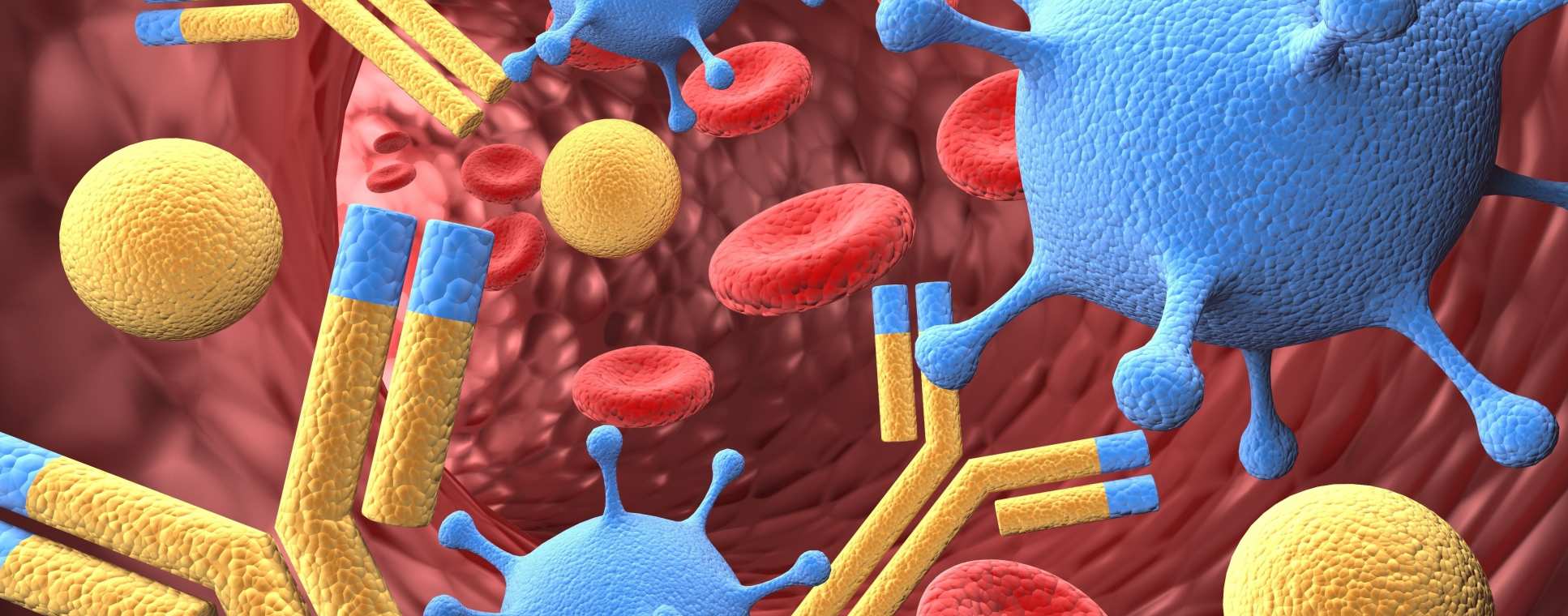
Reimagining Vaccine Technology for a New Era
The fundamental goal of vaccination—training the immune system to recognize and combat threats—remains unchanged, but the methods have undergone a dramatic transformation. Today’s researchers are leveraging cutting-edge platforms to develop vaccines that are not only more precise but also faster to adapt and more powerful against a broad range of diseases.
mRNA and Beyond: The New Blueprint for Immunity
Messenger RNA (mRNA) technology represents a paradigm shift. By delivering genetic instructions to cells, it enables them to produce a harmless fragment of a pathogen, such as a spike protein. The immune system then mounts a response and builds lasting memory. This approach offers remarkable flexibility: scientists can rapidly update the blueprint when new variants emerge. Innovations like self-amplifying RNA allow smaller doses to trigger robust immunity, while targeted delivery to specific cells enhances both safety and effectiveness.
Vaccines Tackle Chronic and Complex Diseases
The scope of vaccination now extends far beyond infectious illnesses. Personalized cancer vaccines train the immune system to identify and destroy tumor cells by targeting each patient’s unique mutations. In autoimmune disorders, the strategy flips: researchers design vaccines to teach the immune system to tolerate the body’s own tissues, potentially reducing the need for lifelong immunosuppression. For type 1 diabetes, experimental approaches involve transplanting islet cells alongside stem cells to rebuild a harmonious immune environment.
One Health: Connecting Human, Animal, and Environmental Well‑Being
Human health is inseparable from the health of animals and ecosystems. Advances in veterinary vaccines are therefore essential. For instance, more effective vaccines for livestock, such as pigs, help prevent costly disease outbreaks, improve animal welfare, and stabilize food supplies. This holistic approach reduces the risk of zoonotic diseases spilling over into human populations.
The Synergy of Natural and Vaccine‑Induced Immunity
Natural immunity develops after an infection, but the risks can be severe. Vaccines provide a controlled, safer alternative—like a fire drill that prepares the body without the danger. Combining both sources of protection creates layered defenses. High vaccination coverage builds herd immunity, safeguarding those who cannot be vaccinated, such as infants or immunocompromised individuals. This collective barrier is vital for preventing outbreaks.
Staying Ahead in the Evolutionary Arms Race
Pathogens constantly mutate, using techniques like antigenic drift (small changes) and antigenic shift (major genetic reassortment) to evade immune detection. Researchers counter this by designing vaccines that target stable, conserved regions of pathogens, making them less likely to be outmaneuvered. Advanced imaging provides high‑resolution views of viral structures, guiding the creation of broader, more durable vaccines.
By integrating these innovations into public health strategies, we can adapt swiftly to emerging threats and maintain resilient defenses against even the most cunning microbial adversaries.