Rethinking Food Systems: From Plant-Based Diets to Lab-Grown Meats
Explore how lab-grown meats, alternative proteins, and sustainable farming are reshaping global food systems for a greener, more ethical future.
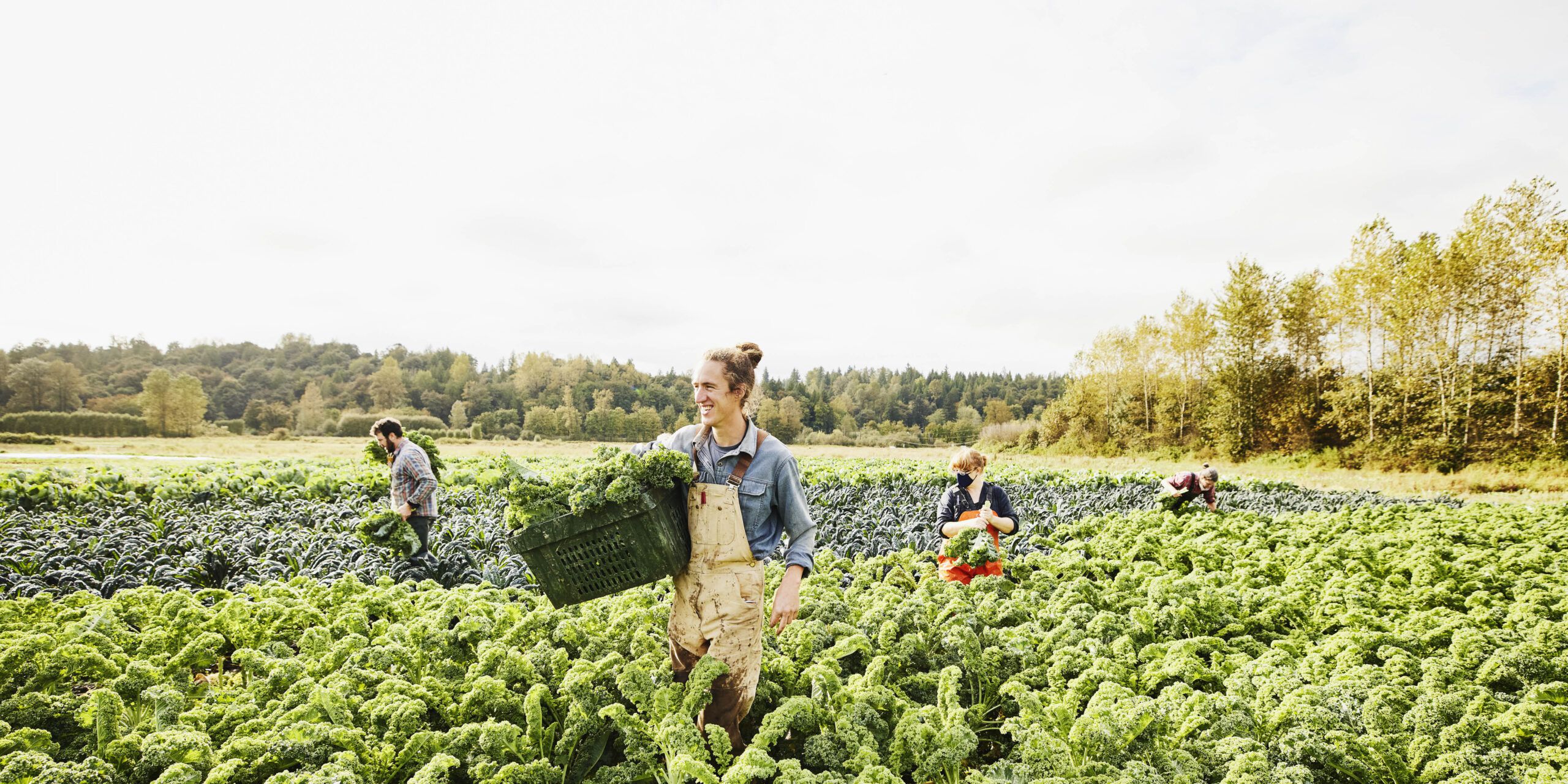
Redefining the Way We Eat: A New Food Revolution
The food on our plates is changing faster than ever before. Driven by climate concerns, resource constraints, and a rising demand for ethical consumption, the global food system is embracing a wave of innovation. From laboratory-grown meats to digitally enhanced farms, these advancements are not just passing trends—they represent a fundamental rethinking of how we produce, distribute, and consume food.
The Promise of Lab-Grown Meats
From Cell to Table
Lab-grown meat, also known as cultured meat, begins with a small sample of animal cells. These cells are then nurtured in a controlled environment—called a bioreactor—where they multiply and develop into muscle tissue that is biologically identical to conventional meat. This process eliminates the need for raising and slaughtering animals, dramatically reducing the ethical weight associated with meat consumption. Moreover, because production takes place in sterile facilities, the risk of foodborne pathogens is greatly lowered, offering a safer product for consumers.
Environmental and Ethical Gains
Compared to traditional livestock farming, cultured meat requires significantly less land and water and produces far fewer greenhouse gases. It also removes the extensive methane emissions typical of cattle. As production becomes more localized, the carbon footprint of transportation shrinks, further boosting sustainability. For those concerned about animal welfare, lab-grown meat offers a clear path to enjoying real meat without the moral trade-offs.
Smart Agriculture: Precision and Automation
While novel proteins are capturing headlines, the conventional agricultural sector is undergoing its own quiet revolution. Precision agriculture uses satellite data, soil sensors, and GPS-guided equipment to apply water, fertilizers, and pesticides only where and when needed. This targeted approach conserves resources, reduces chemical runoff, and boosts yields—making farms both more productive and more environmentally friendly.
Meanwhile, robots equipped with advanced sensors are taking over labor-intensive tasks like weeding and harvesting. These machines can spot diseased plants or pests in real time, allowing farmers to intervene precisely without blanket spraying. This not only reduces chemical use but also addresses the growing shortage of agricultural labor.
Ethical Eating: Balancing Health and Planet
Consumers are increasingly aware that every meal has a ripple effect. Ethical eating encourages a holistic view—considering the full lifecycle of food from farm to fork. Choosing plant-based proteins or cultivated meats can slash one’s environmental impact while still delivering essential nutrients. Plant-based diets are rich in fiber and low in saturated fat, while lab-grown meats can be engineered to have improved nutritional profiles. Together, they represent a shift toward food choices that nourish both the body and the Earth.
Securing Food for a Growing World
Feeding a global population projected to reach nearly 10 billion by 2050 requires bold solutions. Alternative proteins—whether from plants, fungi, algae, or cultured cells—offer a way to diversify protein sources and reduce reliance on resource-intensive livestock. These innovations are especially crucial for regions with limited arable land or water scarcity. By strengthening local supply chains and investing in modern preservation techniques such as modified atmosphere packaging and high-pressure processing, we can cut food waste and extend shelf life, ensuring more food reaches those in need.
Bridging the Gap: Technology Meets Tradition
The most successful food system of the future will blend ancient wisdom with cutting-edge science. For example, fermentation—an age-old preservation method—is now being optimized to produce nutrient-dense proteins with minimal energy input. Similarly, innovations in food tracking and transparency help build consumer trust and reduce losses along the supply chain. As these pieces come together, the vision of a secure, sustainable, and equitable global food system moves closer to reality.
Frequently Asked Questions
How does lab-grown meat benefit the environment?
Cultured meat uses up to 95% less land and 78% less water than conventional beef, while cutting greenhouse gas emissions by 74–87% (depending on the energy source). It also eliminates methane from livestock digestion.
Can plant-based diets really make a difference?
Absolutely. Shifting toward plant-based eating reduces demand for resource-heavy animal farming, helps preserve biodiversity, and lowers personal carbon footprints. Even occasional meat replacement can have meaningful cumulative effects.
What are the main challenges facing alternative proteins?
Cost remains a barrier, though it is dropping rapidly. Scaling production to meet global demand, achieving consumer acceptance on taste and texture, and navigating regulatory approval are key hurdles being addressed by industry and research.
How do modern preservation methods reduce food waste?
Techniques like vacuum-sealing, high-pressure processing, and smart packaging extend shelf life without relying on chemical preservatives. This keeps food fresh longer, reducing the amount that spoils before consumption.
Will robotics replace farm workers?
Rather than replacement, automation is filling critical labor gaps and allowing workers to focus on higher-skill tasks. It also enables more precise management, leading to better crop health and higher yields with fewer inputs.