Home Diabetes Testing: New Frontiers in Detection, Science, and Ethics
New at-home diabetes tests, novel markers like AGEs and microRNAs, and ethical issues of DIY health monitoring. Learn to test accurately and understand risks.
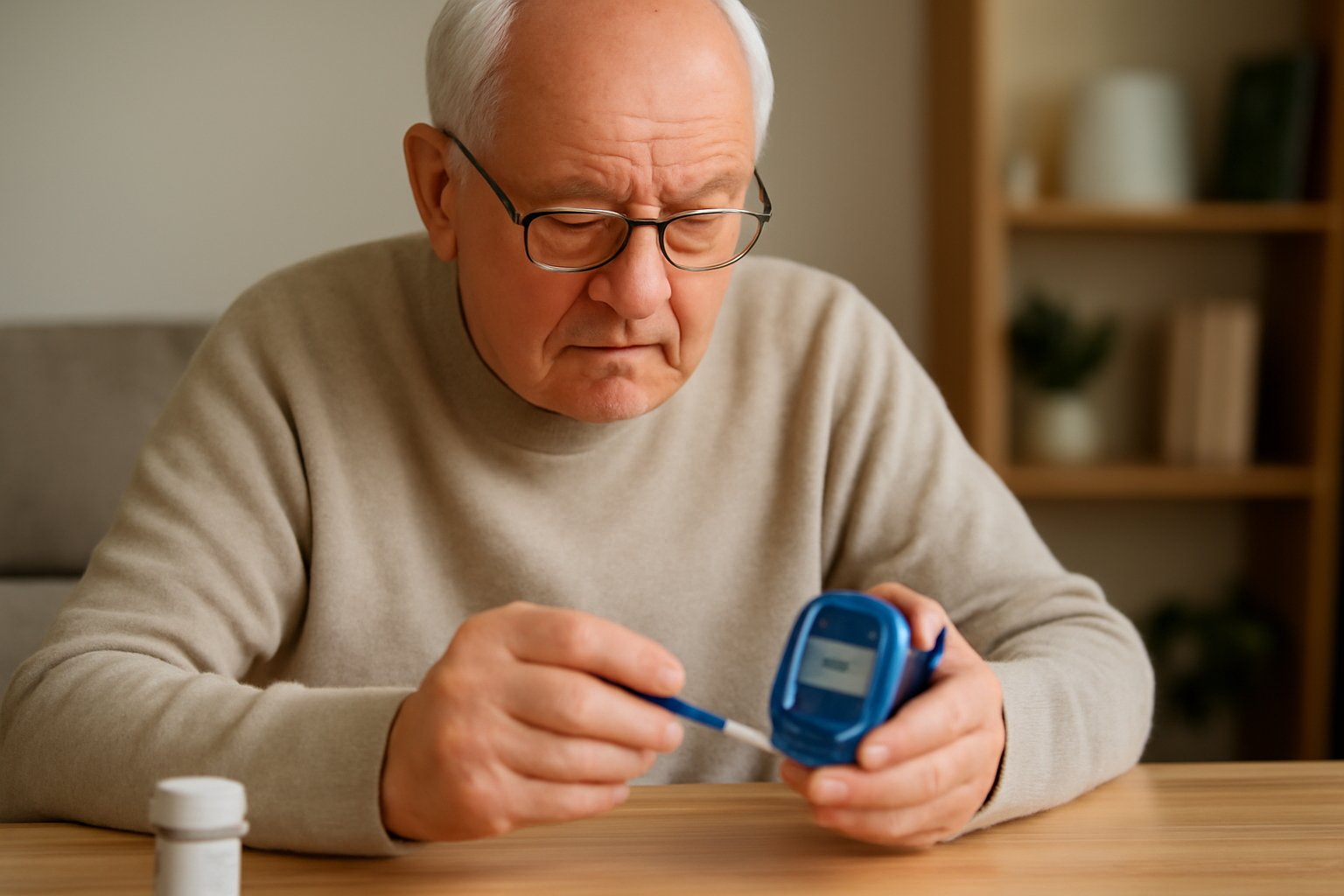
The New Frontier of At-Home Diabetes Testing
Early detection of metabolic disorders is more accessible than ever. At-home testing kits—from simple glucose meters to advanced HbA1c kits and continuous glucose monitors (CGM)—empower individuals to track their health without frequent clinic visits. This shift is driven by technology, regulatory approvals, and the growing role of telehealth. This article covers the types of tests, how to use them accurately, novel biochemical markers that may predict risk earlier, and the ethical questions surrounding DIY health monitoring.
Types of At-Home Tests
Portable Glucose Meters: Provide fast blood sugar readings. Many connect to apps for real-time data sharing with healthcare providers.
HbA1c Home Test Kits: Measure average glucose over two to three months. Clinical studies confirm accuracy comparable to laboratory tests.
Continuous Glucose Monitoring (CGM): A small sensor under the skin measures interstitial glucose every few minutes, offering trend data and helping users understand how diet, activity, and medications affect levels.
Urine Ketone Test Strips: Useful for people with type 1 diabetes to detect ketones early, preventing diabetic ketoacidosis.
Understanding Test Methods and Avoiding Common Mistakes
Accurate self-evaluation requires knowing which test to use and how to interpret results. Common tests include:
Fasting Glucose Test: Measures blood sugar after at least eight hours without food. A good baseline for assessing risk.
Random Glucose Test: Can be taken anytime but is influenced by recent meals, making it less reliable for diagnosis.
HbA1c Test: Reflects average glucose over two to three months, giving a broader picture than single-point tests.
Oral Glucose Tolerance Test (OGTT): Involves drinking a sugary beverage and measuring blood sugar over two hours. Often used in pregnancy screening.
Symptoms can be misleading. Increased thirst, frequent urination, unexplained weight loss, blurred vision, slow-healing sores, and fatigue are classic signs, but they can also result from dehydration, medications, eye strain, or other conditions. Focus on the overall pattern and consult a professional if symptoms persist or worsen.
Novel Biochemical Markers Beyond Glucose
Traditional testing relies on blood glucose, but emerging research reveals markers that can provide earlier, more detailed insights into metabolic health.
Advanced Glycation End-Products (AGEs) and Inflammatory Cytokines
AGEs are proteins damaged by high glucose. They accumulate and contribute to inflammation and complications. Elevated inflammatory cytokines often appear before hyperglycemia, making them valuable for early detection and prevention strategies.
MicroRNA Profiles
MicroRNAs regulate gene expression. Specific profiles in blood are associated with diabetes progression. Analyzing these could lead to tests that predict risk years in advance, enabling early intervention.
Pancreatic Autoantibodies and Exocrine Enzyme Markers
Type 1 diabetes involves an autoimmune attack on insulin-producing cells. Detecting pancreatic autoantibodies and exocrine enzyme markers through multiplex peptide assays can improve prediction of disease onset beyond standard glucose tests, opening the door for preventive treatments.
Ethical Dimensions of DIY Health Monitoring
While home testing offers convenience and autonomy, it also raises important ethical issues.
Balancing Autonomy and Accuracy
Self-monitoring empowers individuals to make real-time decisions about diet and activity. However, misinterpretation of data can cause unnecessary anxiety or harmful medical choices. Robust patient education—covering device use, data interpretation, and when to seek professional help—is essential.
Data Privacy and Security
Health data from connected devices is highly sensitive. Breaches could lead to discrimination in insurance or employment. Users must give informed consent for data sharing, and manufacturers must implement strong encryption and security protocols to protect privacy.
Frequently Asked Questions
What are the benefits of using a portable glucose meter for at-home diabetes management? Portable glucose meters provide quick, accurate readings, allowing immediate adjustments in diet or medication. Their portability suits busy lifestyles, and many models sync with apps for remote monitoring by healthcare providers.
How does continuous glucose monitoring (CGM) differ from traditional finger-prick testing? CGM offers real-time, continuous data on glucose trends and fluctuations, helping users understand how various factors affect their levels throughout the day and night. This dynamic view can lead to better control and more informed decisions.
Why is early diabetes detection critical, and how can at-home tests contribute? Early detection enables timely intervention to prevent complications like cardiovascular disease, nerve damage, and vision loss. At-home tests such as HbA1c kits and urine ketone strips allow individuals to assess risk and seek professional advice sooner.
What role do HbA1c home test kits play in screening and management? They measure average glucose over two to three months, offering a comprehensive picture of long-term control. Using these kits at home helps individuals track progress and adjust management plans under medical guidance.
How can urine ketone test strips aid in diabetes management? They detect ketones, indicating that the body is breaking down fat for energy due to insufficient insulin. Regular monitoring alerts users to potential diabetic ketoacidosis early, allowing timely medical intervention.