Nyobolt's 4.5-Minute EV Charging Breakthrough: How It Works and What's Next
Nyobolt's 35kWh battery charges 10-80% in 4.5 minutes, lasts 600k miles. Learn how this Cambridge startup is transforming EV charging.
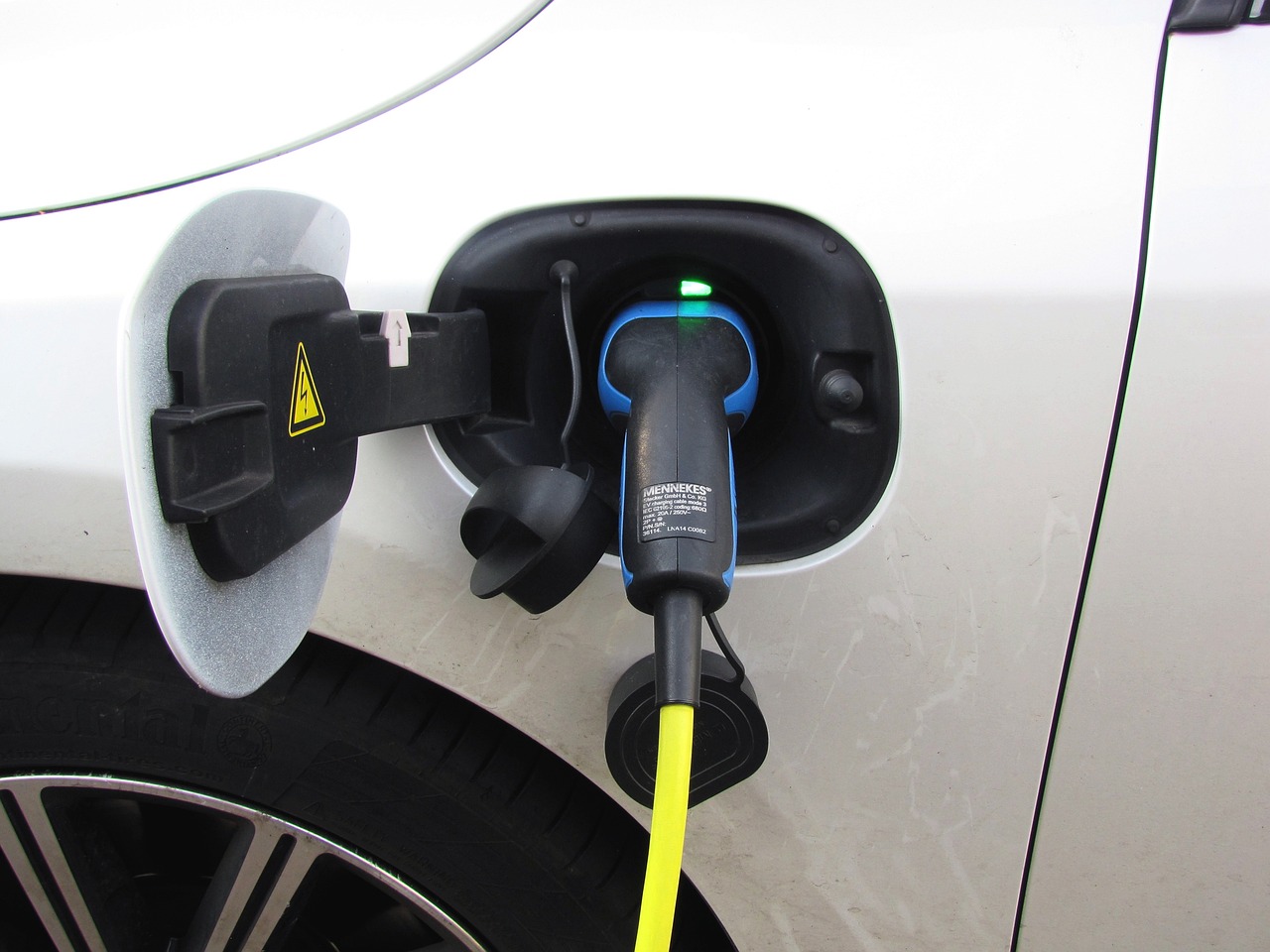
Rethinking EV Charging Speed
Electric vehicle adoption has long been held back by the time it takes to recharge. While gasoline refueling takes just two minutes, even the fastest EV chargers today require around 20 minutes to bring a battery from 10% to 80%. Nyobolt, a Cambridge-based startup co-founded by battery scientist Clare Grey and CEO Sai Shivareddy, is changing that calculation with a lithium-ion battery that charges in just over four and a half minutes.
The Core Innovation: Materials and Thermal Management
Nyobolt's 35kWh battery achieves its speed without the dangerous heat buildup that typically limits fast charging. The key lies in advanced anode materials, particularly the use of niobium, which enables faster electron transfer and reduces thermal stress. The same design also dramatically extends cycle life: independent tests show the battery can endure over 4,000 fast-charge cycles while retaining more than 80% capacity, equating to roughly 600,000 miles of driving.
From Lab to Road: Scaling Challenges
Bringing this technology to mass production faces two major hurdles. First, niobium supply is scarce — only 83,000 tonnes were mined globally in 2023, compared to 1.6 million tonnes of graphite. Second, manufacturing processes need to be adapted for industrial scale. Nyobolt is working with automakers to integrate the battery into future EV models, but widespread deployment also requires investment in ultra-rapid charging infrastructure, which remains limited in regions like the UK.
Impact on Fleets and Consumers
For commercial EV fleets, cutting charging time from 20 minutes to under five means less downtime and higher productivity. For everyday drivers, near‑gasoline refueling speed eliminates range anxiety and makes EVs a more practical choice. As production scales and costs fall, Nyobolt's innovation could accelerate the shift to electric mobility, making recharging as simple as filling up at a pump.