How Telemedicine, AI Diagnostics, and Wearable Sensors Are Reshaping Patient Care
Explore how telemedicine, AI diagnostics, electronic health records, and remote monitoring are integrating to transform healthcare delivery and patient outcomes.
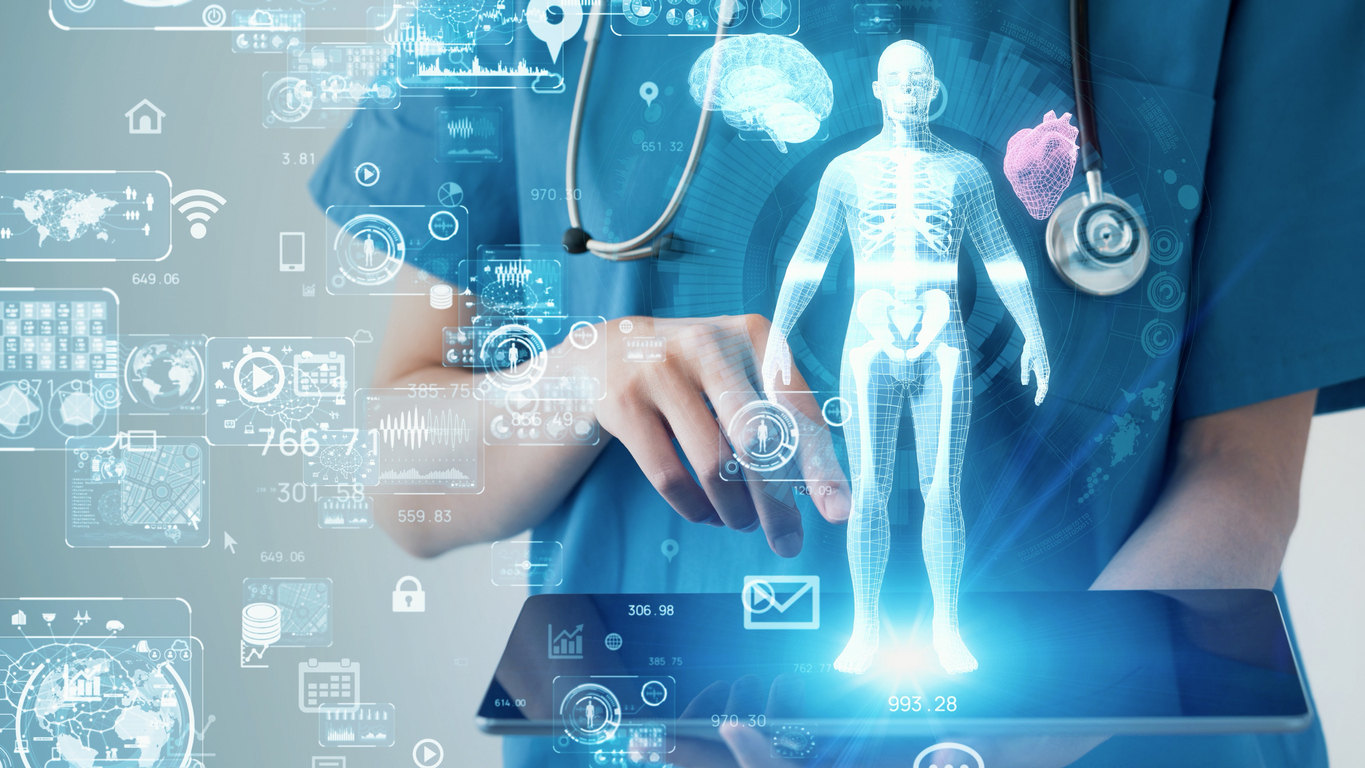
The Digital Revolution in Healthcare
The healthcare industry is experiencing a paradigm shift as digital technologies converge to create a more connected, efficient, and patient-centric system. Telemedicine, artificial intelligence (AI) diagnostics, electronic health records (EHRs), and wearable sensors are no longer standalone innovations—they are increasingly integrated into a cohesive ecosystem that enhances every stage of care. This transformation is driven by the need for better access, accuracy, and proactive health management.
Telemedicine: Bridging Access Gaps
Telemedicine has emerged as a cornerstone of modern healthcare, enabling patients to consult with providers remotely via video, phone, or messaging. This is especially critical in rural or underserved regions where specialist availability is limited. Advanced telemedicine platforms now incorporate natural language processing and AI inference models to triage patient data, prioritizing critical cases and ensuring timely specialist intervention. Quality data sharing and collaboration initiatives further extend the reach of specialist care, reducing health disparities.
AI in Diagnostics: Accuracy and Speed
Artificial intelligence is revolutionizing diagnostic processes by analyzing complex medical data—such as imaging scans, lab results, and patient histories—with remarkable speed and precision. AI algorithms detect patterns that may escape human clinicians, aiding in early detection of diseases like cancer, diabetes, and cardiovascular conditions. In medical imaging, specialized algorithms rapidly evaluate scans, reducing diagnostic errors and enabling proactive treatment. The fusion of human expertise with AI creates a more responsive healthcare environment focused on early intervention.
Electronic Health Records: Unifying Patient Data
EHRs provide a comprehensive digital record of a patient’s medical history, accessible across providers. This reduces duplication of tests, minimizes errors, and facilitates coordinated care. Patients also benefit from direct access to their own health information, encouraging engagement and informed decision-making. EHRs serve as the backbone for data integration, enabling analytics that reveal population health trends and support personalized treatment plans.
Wearable Sensors and Remote Monitoring
Wearable sensors continuously capture vital signs, activity levels, and other health metrics, creating real-time health profiles. This empowers patients to take a proactive role in managing chronic conditions, while healthcare providers can intervene promptly when changes are detected. Remote monitoring reduces hospital readmissions and supports independent living for aging populations. The data collected also fuels predictive analytics, helping to prevent adverse events.
Strategic Foundations for Digital Health
Successful adoption of digital health technologies depends on strong leadership, a unified strategy, and rigorous ethical standards. Automation handles routine tasks like scheduling and data entry, freeing clinicians for patient interactions. Augmentation tools support clinical decision-making through enhanced diagnostics and surgical precision. Analysis of aggregated data provides insights for population health management. Leadership must overcome budget constraints and demonstrate long-term value to secure buy-in. Data security and ethics are paramount; comprehensive protocols protect patient information across devices and platforms, building trust in the digital ecosystem.
The Future of Connected Care
The future health landscape is moving toward interconnected, home-based care. Remote monitoring technologies place patients at the center, turning personal data into actionable insights. This improves clinical engagements and enables tailored treatments. As emerging technologies redefine healthcare delivery, the patient-provider relationship becomes closer and more personalized. The integration of telemedicine, AI, EHRs, and wearable sensors offers smarter, more inclusive solutions for all.
Q&A
What is the role of telemedicine in modern healthcare? Telemedicine allows remote consultations via video, phone, or messaging, improving access for underserved areas and reducing travel. It enhances convenience and efficiency.
How do Electronic Health Records (EHRs) enhance patient care? EHRs provide a comprehensive digital history that improves coordination, reduces errors, and enables accurate diagnoses. Patients can also engage with their own health data.
In what ways are wearable sensors transforming health monitoring? Wearable sensors collect real-time vital signs and activity data, enabling proactive chronic disease management and early detection of issues. They support personalized interventions.
How is AI being used in medical diagnostics? AI analyzes medical imaging and patient data to identify patterns, aiding in early detection of diseases with high accuracy and speed, leading to better treatment outcomes.
What are the benefits of remote monitoring in healthcare? Remote monitoring reduces hospital admissions, improves chronic disease management, and allows timely interventions. It supports patient independence and personalized care.