Tech-Enhanced Senior Nutrition: Tools, Meal Plans & Social Dining Tips
Discover how digital tools, meal delivery, and social dining support senior nutrition. Learn to craft nutrient-dense menus for healthy aging.
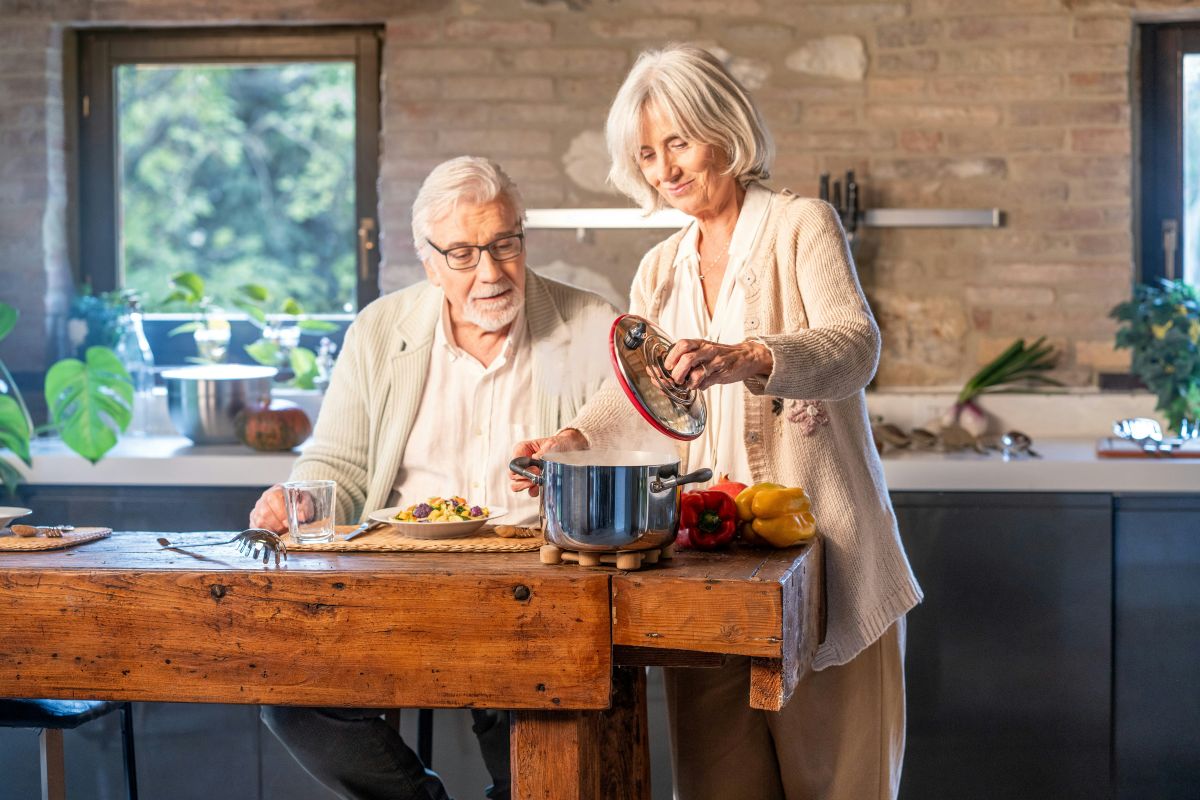
How Technology Is Transforming Senior Nutrition
Modern digital tools are reshaping how caregivers and seniors approach dietary wellness. Wearable devices and smartphone apps now track vital signs, activity levels, and even sleep patterns, providing objective data to guide nutritional choices. By matching energy expenditure with precise caloric and hydration needs, families can build personalized care plans that go beyond guesswork. This data-driven approach not only supports independence but also offers peace of mind through remote monitoring and real-time alerts.
Smart Devices for Complex Needs at Home
For seniors requiring specialized nutritional support—such as tube feeding or controlled liquid diets—compact, user-friendly medical devices now allow care to shift from hospitals to the home. Automated flow controls and caregiver alerts reduce the risk of complications. These smart systems also sync with healthcare providers, enabling dietitians to adjust plans dynamically. The result is a proactive, continuous care model that respects the senior’s comfort and dignity.
Overcoming Physical and Social Barriers to Eating Well
Food Access and Delivery Services
Declining mobility can make grocery shopping and cooking nearly impossible, often leading to reliance on processed foods. Fortunately, community programs and medically tailored meal delivery services fill the gap. Many offer fresh, portion-controlled meals designed for conditions like diabetes or hypertension, and the delivery driver becomes a friendly daily check-in. This removes the physical burden of meal prep and ensures consistent nutrition.
For families far away, scheduling regular deliveries provides peace of mind that their loved one is eating well. The table below compares home cooking with specialized delivery services.
| Feature | Home Cooking | Meal Delivery |
|---|---|---|
| Control over ingredients | High | Moderate (pre-selected menus) |
| Physical demand | High | Low (heat and serve) |
| Safety | Requires kitchen oversight | Reduced risk of accidents |
| Social interaction | Often isolating | Delivery driver provides a human touch |
The Social Connection–Appetite Link
Eating alone is a major cause of malnutrition in seniors. Without the rhythm of shared meals, appetite fades and motivation to cook drops. Encouraging community dining clubs, senior center lunches, or even virtual dinner dates can revive the desire to eat. Social participation stimulates both mind and metabolism, turning meals into highlights of the day rather than chores.
Building a Balanced, Enjoyable Menu for Longevity
Nutrient Density and Texture Considerations
With age, caloric needs decrease but requirements for protein, calcium, and vitamins remain high. A “quality over quantity” approach works best: smaller, more frequent meals packed with fish, soy, colorful vegetables, and healthy fats. Texture is just as important—many seniors face chewing or swallowing difficulties. Slow-cooking, pressure cooking, and moist preparations like soups or stews ensure nutrients are accessible without turning everything into puree. Hydration can be boosted through gelatin desserts or warm broths.
Sample snack ideas for seniors:
| Category | Snack | Benefit |
|---|---|---|
| Soft protein | Greek yogurt with honey | Muscle support, calcium |
| Brain health | Smooth nut butters on soft bread | Healthy fats, Vitamin E |
| Hydration | Fruit gelatin cubes | Easy fluid intake |
| Digestive aid | Oatmeal with cinnamon | Fiber, soothing |
Flexibility and Cognitive Health
A diet rich in omega-3s and antioxidants supports brain function, but variety is key. Introducing new flavors and seasonal ingredients stimulates the mind. However, rigid restrictions can backfire. Instead, use herbs, spices, citrus, or umami-rich stocks to enhance flavor without excess salt. Accept that appetite fluctuates—comfort foods like poached eggs or oatmeal are fine on low-energy days. The goal is to nourish both body and spirit.
Common Questions About Senior Nutrition
How can a 1‑week meal plan help seniors? A structured plan ensures balanced nutrients, prevents deficiencies, and supports chronic condition management.
What are the benefits of frozen meals delivered for seniors? They offer convenience, portion control, and tailored nutrition, reducing the need for shopping and cooking.
Why is geriatric food important? It addresses age-related changes like slower metabolism and higher vitamin needs, promoting bone and cognitive health.
What are healthy snacks for older adults? Fresh fruits, nuts, yogurt, whole-grain crackers, and cheese—low in added sugar and sodium for heart health.