Complete Guide to Private Jets: Benefits, Costs, Types & Sustainability
Discover everything about private jets: types, costs, benefits, charter vs ownership, and sustainability efforts. Your complete guide to private aviation.
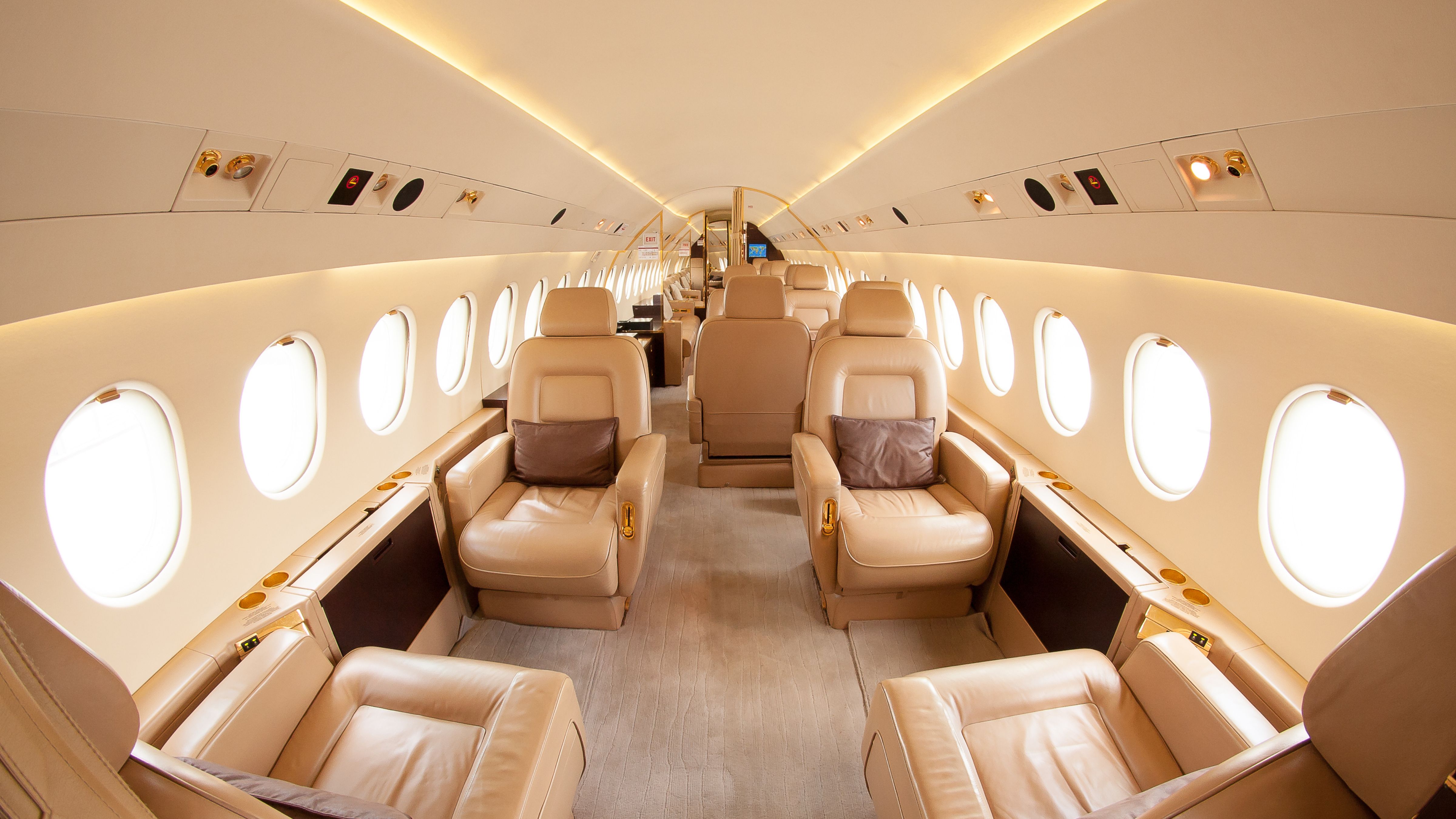
Why Choose Private Aviation?
Private jets offer a level of flexibility, comfort, and efficiency that commercial flights cannot match. Whether for business or leisure, flying private lets you bypass crowded terminals, adhere to your own schedule, and land closer to your final destination. From light jets for short hops to ultra-long-range aircraft for global travel, there is a solution for every need.
Categories of Private Jets
Understanding the different jet classes helps you select the right aircraft for your trip. Jets are primarily categorized by passenger capacity, range, and performance.
Light Jets
Typically seating 4–8 passengers, light jets are perfect for short to medium-haul flights. Popular models include the Cessna Citation CJ3 and Embraer Phenom 300, offering excellent efficiency for regional travel.
Midsize Jets
With room for 8–10 passengers, midsize jets like the Hawker 800XP and Gulfstream G150 can handle coast-to-coast journeys, providing a balance of range and cabin comfort.
Heavy Jets
Heavy jets accommodate 10–16 passengers and are built for long-haul international flights. Examples include the Bombardier Global 6000 and Gulfstream G650, known for their luxurious cabins and extended range.
Ultra-Long-Range Jets
Seating up to 18 passengers, these jets (e.g., Dassault Falcon 8X, Boeing Business Jet) can fly non-stop across continents, enabling truly global travel without refueling stops.
Key Benefits of Flying Private
Private aviation delivers unmatched convenience, privacy, and productivity. Travelers enjoy flexible scheduling, direct routes to thousands of airports, and quick boarding. Spacious cabins allow work or relaxation, while personalized service—from gourmet catering to custom amenities—enhances the experience. Time saved on the ground and in the air translates to greater efficiency.
Understanding the Costs
While flying private is a premium service, various access models make it more attainable. The table below outlines typical cost ranges and affordability options.
| Option | Estimated Cost | Affordability |
|---|---|---|
| Jet Charter | $2,000 – $11,000 per hour | Flexible, pay-per-use |
| Jet Card Membership | $100,000+ per year | Cost-effective for frequent flyers |
| Fractional Ownership | $500,000+ initial buy-in | Lower cost than full ownership |
| Full Ownership | $3 million+ | High upfront and ongoing costs |
Costs vary based on aircraft type, flight distance, and additional services. Jet cards and fractional ownership offer lower entry points compared to outright purchase, while charter remains the most flexible for occasional use.
Sustainability and Environmental Impact
Private aviation does face scrutiny over its carbon footprint. Per passenger, private jets emit more CO₂ than commercial flights. However, the industry is actively investing in solutions: carbon offset programs, sustainable aviation fuel (SAF), and the development of electric and hybrid-electric aircraft. These innovations aim to reduce the environmental impact while maintaining the advantages of private travel.
Frequently Asked Questions
How much does it cost to charter a private jet?
Charter rates range from $2,000 to $11,000 per flight hour, depending on the jet type, distance, and additional services.
Can private jets land at any airport?
Yes, they can access thousands of airports worldwide, including many smaller regional fields that commercial airlines do not serve.
What is a jet card?
A jet card is a prepaid membership that gives you a set number of flight hours or miles, often with guaranteed availability and fixed hourly rates.
Is flying private safe?
Absolutely. Private jets are subject to rigorous FAA and international safety standards, with mandatory maintenance and highly trained crews.
Are there environmental alternatives?
Yes, many operators offer carbon offset programs, and the industry is advancing sustainable aviation fuel and electric aircraft technology to lower emissions.