Smart Appointment Scheduling Software: Features, Benefits & Trends for 2025
Discover how appointment scheduling software automates bookings, reduces no-shows, and improves customer experience. Compare features, see industry applications, and explore AI trends.
What Is Appointment Scheduling Software?
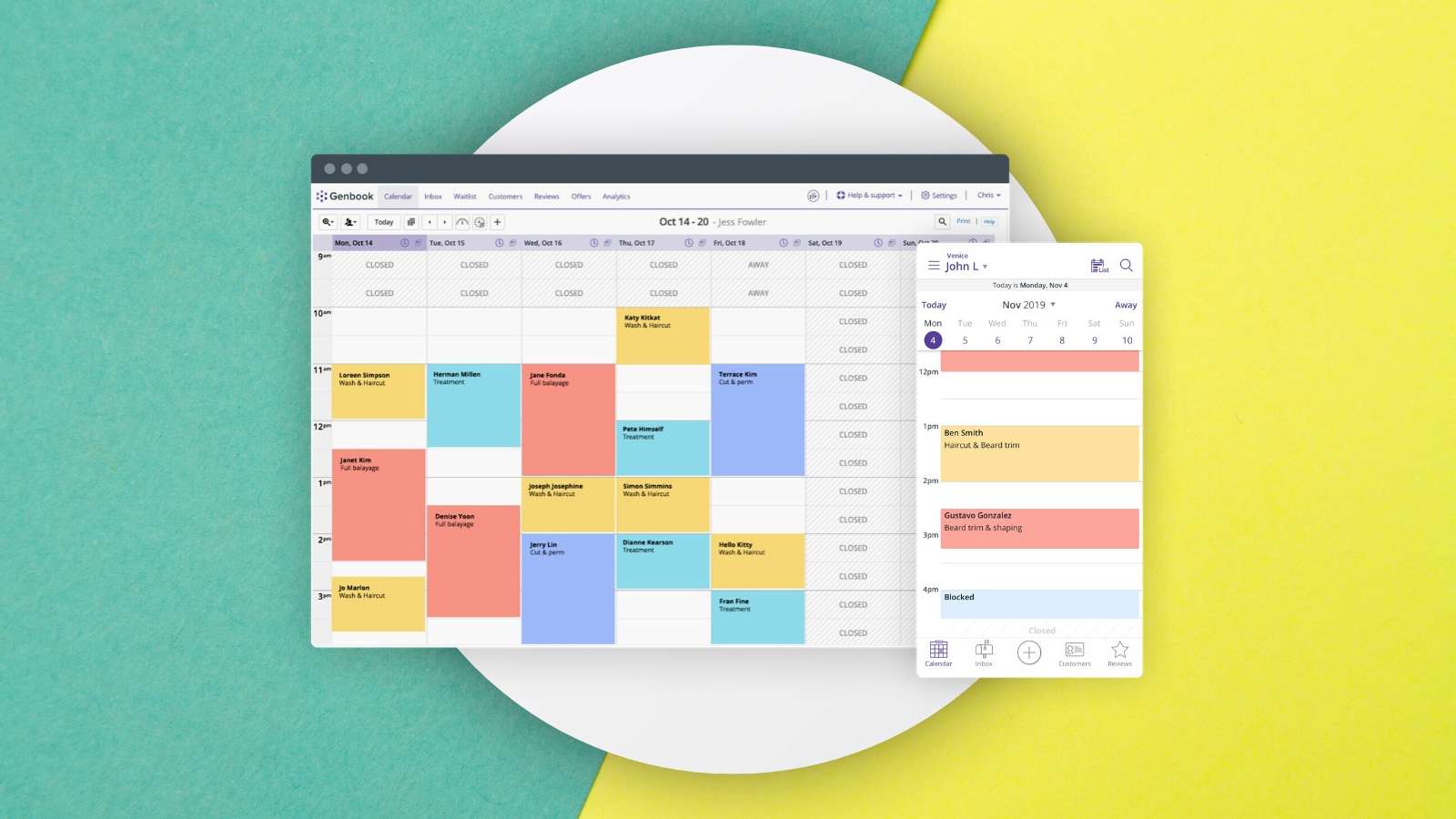
Appointment scheduling software is a digital tool that automates booking management, enabling businesses and clients to coordinate seamlessly. It replaces manual phone calls with online booking, automated reminders, and calendar synchronization, reducing administrative overhead and no-shows.
Core Features
Online Booking: Clients self-schedule via a website or app at their convenience.
Automated Notifications: Email or SMS reminders lower no-show rates significantly.
Calendar Sync: Integration with Google Calendar, Outlook, etc., prevents double bookings.
How Appointment Scheduling Software Works
Most solutions operate on web or mobile platforms. Clients view available time slots, book instantly, and receive confirmations. Businesses manage all appointments from a centralized dashboard, with options to reschedule or cancel. Advanced integrations with CRM, payment gateways, and communication tools create a unified workflow.
Key Business Benefits
Enhanced Efficiency
Automating booking reduces manual data entry, freeing staff to focus on core tasks. Productivity rises as scheduling errors decline.
Improved Customer Experience
Clients appreciate the convenience of 24/7 online booking and timely reminders, leading to higher satisfaction and loyalty.
Cost Reduction
Fewer administrative staff needed for scheduling, plus fewer no-shows, protect revenue. Studies show no-show rates can drop by 40–50%.
Appointment Scheduling vs. Employee Scheduling
While both manage calendars, appointment scheduling software focuses on client-facing bookings (e.g., salons, medical practices). Employee scheduling apps handle shift planning, attendance, and workforce management. Choose based on your primary need.
Choosing the Best Software for Small Business
Small businesses need affordable solutions with essential features: online booking, reminders, and easy setup. Look for user-friendly interfaces, mobile access, and scalability. Top options include Calendly, Acuity Scheduling, and SimplyBook.me.
Competitive Considerations
User Experience: Intuitive design reduces training time for staff and clients.
Customization: Tailor booking rules, branding, and notifications to your workflow.
Support & Training: Reliable customer service and onboarding resources ensure smooth adoption.
Emerging Trends in Scheduling Software
AI and Machine Learning
Predictive analytics optimize slot availability. Smart scheduling suggests ideal times based on history, improving utilization.
Mobile Accessibility
Responsive interfaces and dedicated apps allow on-the-go management for both businesses and customers.
Data Security & Privacy
Providers now embed encryption, GDPR compliance, and secure payment handling to protect client data.
Industry Applications
Call Centers: Optimize staffing levels, manage peak call volumes, and improve service levels.
Healthcare: Reduce patient wait times, streamline referrals, and enhance provider-patient communication.
Small Businesses: Affordable tool to compete with larger enterprises by offering professional booking experiences.
Data-Driven Impact on No-Shows
According to SoftwareAdvice.com, businesses using appointment scheduling software saw a consistent decline in no-show rates from 2018 to 2020, as shown below.
| Year | No-Show Rate Before Software | No-Show Rate After Software |
|---|---|---|
| 2018 | 20% | 12% |
| 2019 | 18% | 10% |
| 2020 | 17% | 9% |
Frequently Asked Questions
Q: What is the main advantage of scheduling software?
A: Increased efficiency through automation of bookings and reminders, saving time and reducing errors.
Q: Can it integrate with other business systems?
A: Yes, most platforms offer integrations with CRM, payment processors, and marketing tools for a seamless workflow.
Q: How does it improve customer satisfaction?
A: By providing easy online booking and automatic reminders, customers enjoy a frictionless experience.
Q: What should a small business look for?
A: Focus on cost, essential features, ease of use, and scalability to match growth.
Q: Is it useful for call centers?
A: Absolutely—it optimizes agent schedules, manages call volumes, and enhances service levels.
Conclusion
Appointment scheduling software transforms how businesses manage appointments. By automating repetitive tasks, cutting no-shows, and improving client experience, it delivers measurable ROI across industries. As AI, mobile access, and security features evolve, these tools will become even more indispensable.