Sustainable Architecture: Bio-Inspired Design, Recycled Materials, and Smart Energy Solutions
Explore sustainable architecture: bio-inspired design, recycled materials, smart energy, and eco-friendly innovations that create healthier, greener homes.
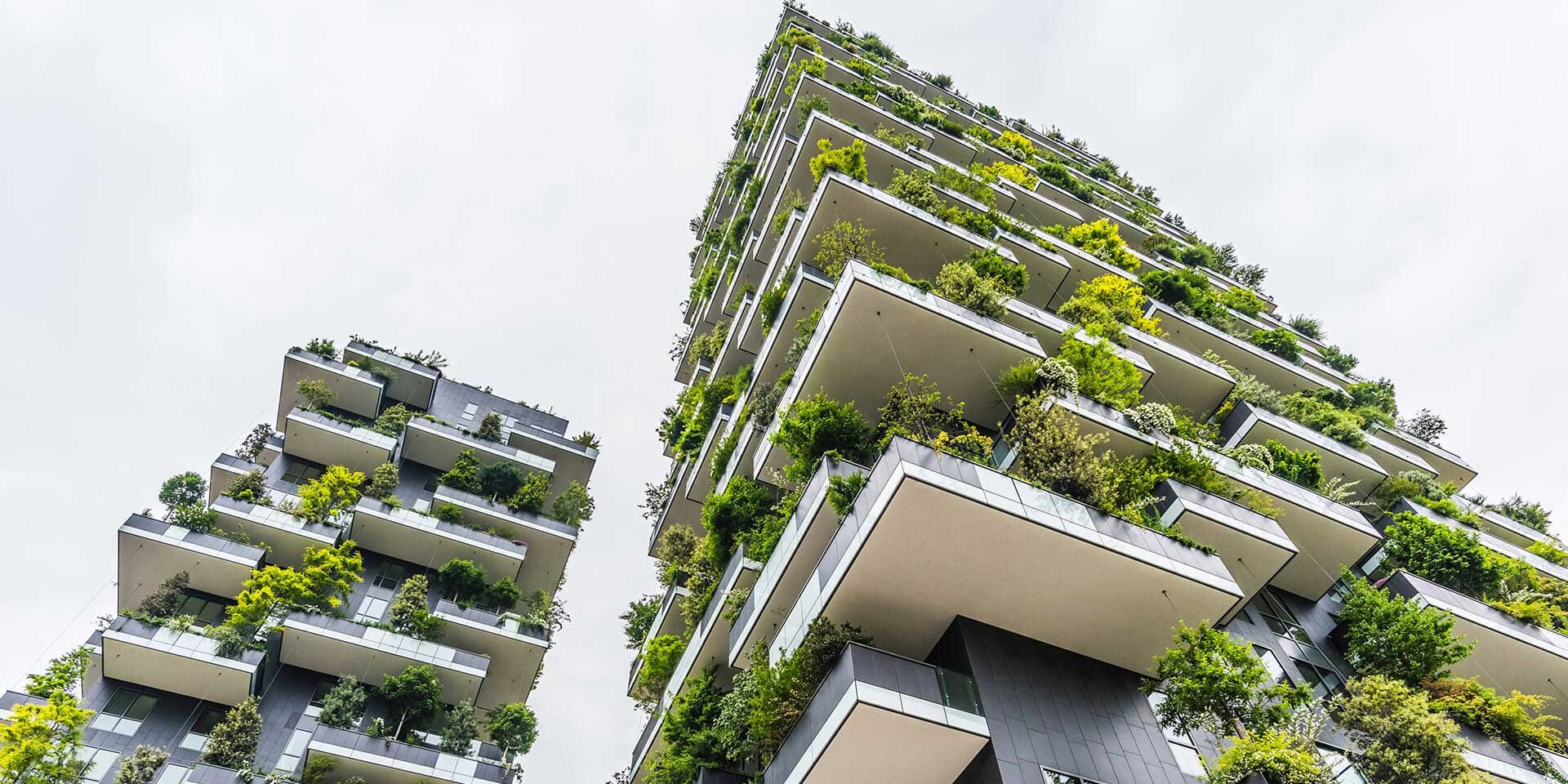
Introduction: A New Era for Sustainable Homes
Our planet's future depends on how we build our homes and cities. Modern sustainable architecture draws inspiration from nature, embraces recycled materials, and integrates smart technology. This article explores the principles and practices that are redefining eco-friendly living.
Bio-Inspired Design: Learning from Nature
Architects are turning to natural ecosystems for efficient, resilient building strategies. Biophilic design creates structures that function like living systems, blending with their environment rather than opposing it. This approach reduces energy use and enhances human wellbeing.
Natural Materials with Low Impact
Traditional concrete and steel have heavy environmental costs. Bio-based alternatives like compressed wood fibers, mycelium insulation, and bamboo store carbon and bring natural warmth indoors. These materials support a circular economy by being reusable or compostable at end of life.
Mimicking Ecosystems for Efficiency
Natural ecosystems produce no waste. Buildings can emulate termite mounds for passive cooling or capture rainwater like forests. This holistic design reduces reliance on artificial systems and lowers energy consumption.
Recycled Innovations: Waste as a Resource
Transforming waste into building materials is a cornerstone of sustainable architecture. Recycled aggregates, reclaimed wood, and repurposed plastics reduce landfill contributions and conserve virgin resources.
From Demolition to Foundation
Recycled concrete and steel provide sturdy foundations, while reclaimed lumber adds character. These practices save energy and reduce the need for new manufacturing.
Plastic and Organic Waste
Discarded plastics become durable panels and tiles. Mycelium grown on agricultural waste creates fire-resistant insulation. Using food waste lowers carbon footprints and promotes regenerative design.
Aesthetic Touches from Scraps
Recycled glass and metal create elegant countertops and decorative elements, proving that sustainability enhances beauty. This creativity sets a new standard for design innovation.
Smart Green Materials and Technology
Modern construction combines advanced materials with smart systems to boost efficiency. Self-healing concrete, engineered wood, and modular construction reduce waste and extend building lifespan.
Intelligent Energy Management
Smart thermostats, solar panels, and home batteries optimize energy use. Homes can even feed excess power back to the grid, fostering community-wide renewable adoption.
Passive Design for Climate Comfort
Green roofs, living walls, and natural shading reduce heating and cooling needs. These strategies align with local climate rhythms, creating healthier indoor environments.
Health, Harmony, and Biodiversity
Biophilic design integrates plants, natural light, and views of greenery. This boosts productivity, reduces stress, and supports local wildlife by creating habitats within urban developments. Homes become restorative spaces that reconnect people with nature.
Question and Answer
What is the significance of green buildings in sustainable architecture?
Green buildings minimize environmental impact by using energy, water, and resources efficiently. They reduce waste, enhance indoor air quality, and incorporate renewable energy. This lowers carbon emissions and creates healthier living spaces.
How does thermal insulation contribute to energy-efficient construction?
Insulation reduces heat loss in winter and keeps interiors cool in summer, lowering heating and cooling needs. Effective materials like fiberglass and foam boards improve energy performance and reduce utility bills.
What are some examples of recycled materials used in modern construction?
Reclaimed wood, recycled steel, concrete aggregates, and plastic composites are common. These materials reduce landfill waste, lower greenhouse gas emissions, and offer unique aesthetic benefits.
How are smart homes contributing to energy-efficient living?
Smart thermostats, automated lighting, and energy management software optimize usage based on occupancy and weather. Integration with solar panels and home batteries further reduces consumption and reliance on fossil fuels.