Mastering Welding Technology: Cost, Precision, and the Future of Metal Fabrication
Explore the trade-offs between cost and precision in welding technologies, from arc welding to laser methods, automation, and digital design.
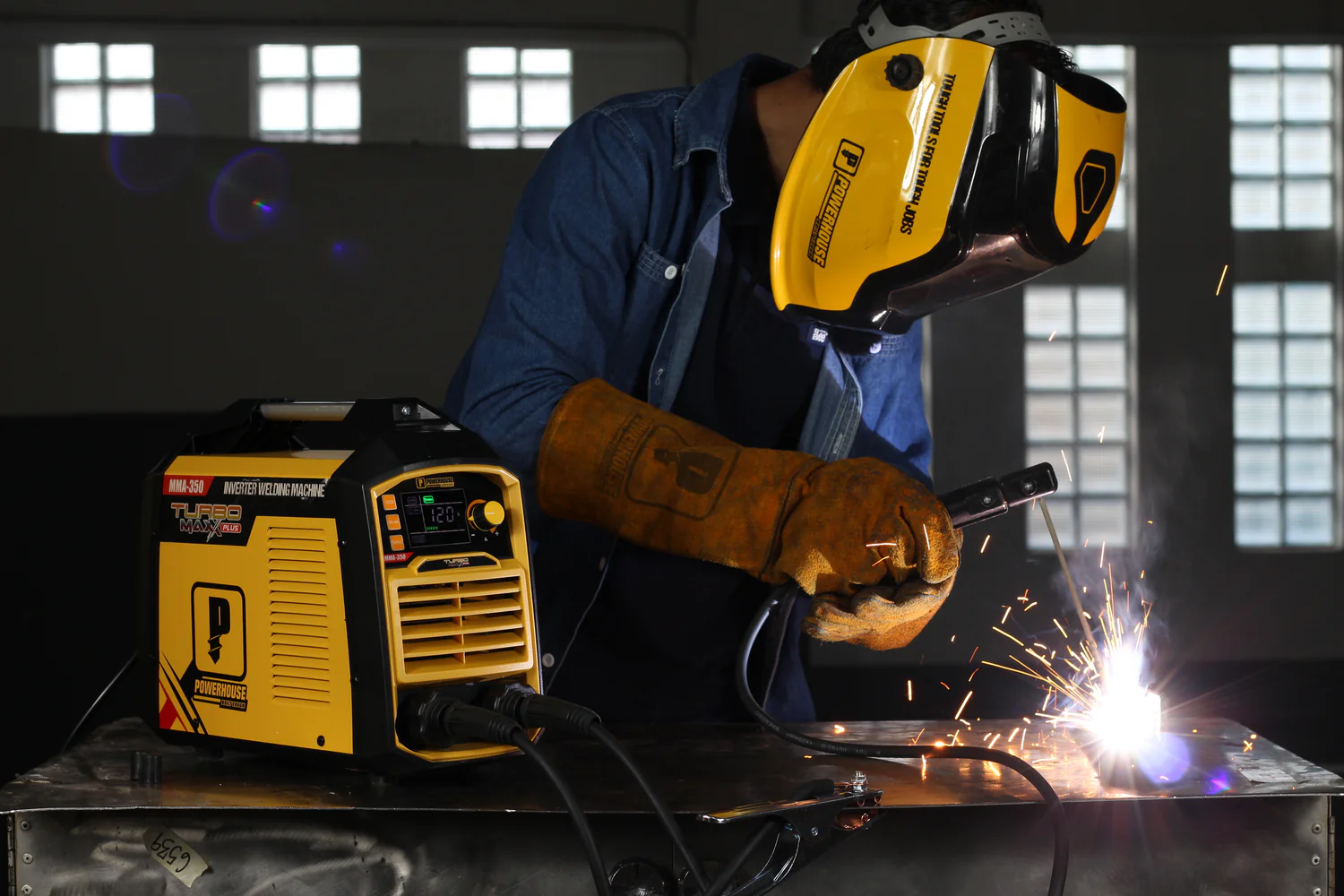
Introduction: Navigating Welding Choices
Selecting the right welding method is a strategic decision that balances cost, precision, and application needs. From traditional arc welding to advanced laser techniques, each approach delivers distinct advantages and trade-offs. Understanding these nuances helps manufacturers, fabricators, and hobbyists make informed choices that optimize quality and budget.
Traditional Arc Welding: The Foundation of Fabrication
Arc welding remains the workhorse of metal joining, using an electrical arc to generate heat and fuse materials. Several variations cater to different scenarios:
Shielded Metal Arc Welding (SMAW)
Also known as stick welding, SMAW is versatile and affordable, ideal for outdoor repairs and heavy-duty work. However, it demands skilled operators to ensure consistent quality.
Gas Metal Arc Welding (GMAW)
Popular as MIG welding, this process uses a continuous wire electrode and shielding gas for faster, cleaner welds, making it suitable for production environments. It offers a good balance of speed and quality at moderate cost.
Gas Tungsten Arc Welding (GTAW)
Often called TIG welding, it employs a non-consumable tungsten electrode for exceptional precision on thin materials and dissimilar metals. It is slower and more expensive but delivers superior control.
High-Energy Beam Welding: Unmatched Precision
Laser beam welding (LBW) and electron beam welding (EBW) provide deep, narrow welds with minimal heat-affected zones. LBW is fast and precise, widely used in aerospace, automotive, and electronics. EBW requires a vacuum chamber, adding complexity and cost, but produces exceptionally clean welds for critical components. While offering outstanding precision, these methods require substantial equipment investment and expertise.
Navigating the Machine Landscape: From Hobbyist to Industrial
For small-scale projects, affordable options like stick welding, flux-cored arc welding (FCAW), or renting a MIG welder can suffice. For high-volume industrial applications, automation becomes key. Robotic welding systems improve consistency, reduce labor costs, and boost throughput. Hybrid laser-MIG robots combine precision with speed, but initial investment must be weighed against long-term benefits.
Automation, Digital Design, and the Future
Automation and robotics are transforming metal fabrication, offering efficiency and repeatability. However, they are best suited for large runs. Digital design and simulation tools now allow engineers to optimize welding parameters virtually, reducing prototype costs and defects. As materials evolve—high-strength steels, aluminum alloys—advanced techniques like friction stir welding and laser welding are gaining traction. The challenge remains balancing precision, cost, and material properties.
Frequently Asked Questions
What factors influence the price of a Steel Fabrication Machine?
The price depends on size, capacity, technology (CNC, automation), brand, after-sales service, and durability. Advanced features increase cost but may improve long-term efficiency.
How does a Laser Cutting and Welding Machine improve manufacturing efficiency?
It provides high precision and speed, reduces manual intervention, minimizes waste, and handles complex designs. This broadens capabilities and ensures consistent quality.
What are the advantages of using Small Metal Welding Tools in precision metal fabrication?
Small tools offer portability, control in confined spaces, and are cost-effective for delicate tasks. They allow detailed work where precision is paramount without the expense of large machines.
What should one consider when evaluating the price of a Laser Welding Machine?
Evaluate power output, wavelength, material compatibility, efficiency, ease of use, manufacturer support, and long-term costs like maintenance and energy consumption.
Why is precision metal fabrication important in modern manufacturing?
It ensures components meet exact specifications for functionality and safety, especially in aerospace, automotive, and electronics. It improves product quality and reduces waste, contributing to cost efficiency and sustainability.