AI, Robotics & Personalized Medicine: The New Era of Healthcare Innovation
Explore how AI diagnostics, robotic surgery, wearables, and personalized medicine are transforming patient care, with ethical insights.
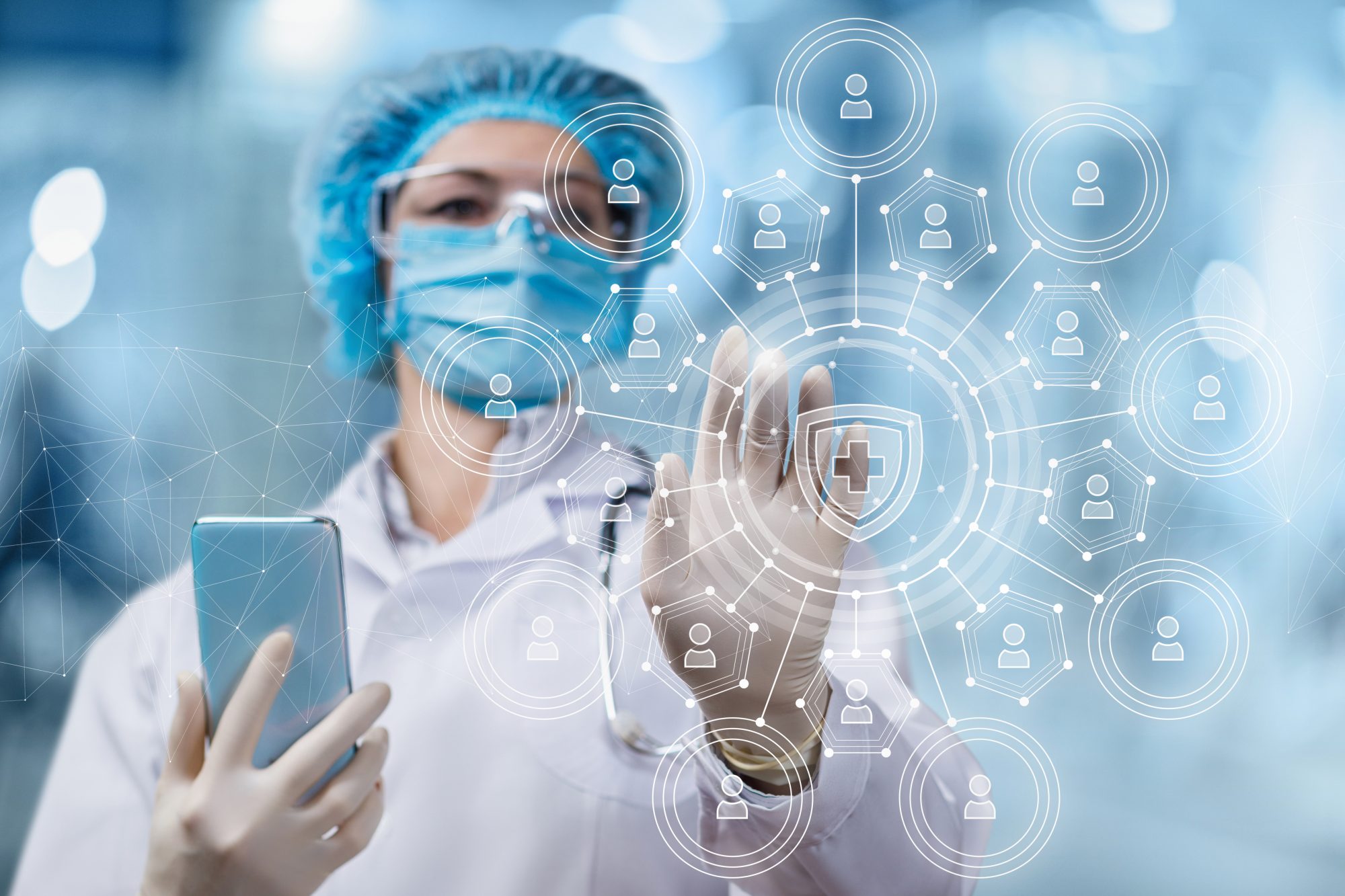
Introduction: The Digital Transformation of Healthcare
Healthcare is undergoing a profound digital shift, driven by breakthroughs in artificial intelligence, robotics, wearables, and biotechnology. These technologies promise more accurate diagnoses, less invasive treatments, and highly individualized care. However, their integration also demands careful navigation of ethical and practical hurdles to ensure fair and trusted adoption.
Revolutionizing Diagnostics and Surgery
AI-Powered Diagnostics
Artificial intelligence is redefining medical diagnostics by rapidly analyzing complex datasets—from medical images to lab results—with exceptional accuracy. AI systems detect subtle patterns often missed by human eyes, enabling earlier detection of conditions like cancer. In radiology, AI tools routinely interpret mammograms and CT scans, sometimes outperforming specialists. The speed of automated analysis reduces waiting times for results, easing the burden on healthcare professionals and improving patient outcomes, especially in emergencies.
Robotic Surgery Advancements
Robotic surgical systems extend a surgeon's capabilities with enhanced dexterity and 3D visualization. They enable minimally invasive procedures through tiny incisions, reducing pain, recovery time, and infection risk. Modern robots incorporate haptic feedback, giving surgeons tactile sensations that prevent accidental tissue damage. As technology evolves, these systems are taking on increasingly complex surgeries, making operations safer and more effective.
Empowering Patients with Wearables and Personalized Care
Wearable Health Devices
Wearables like smartwatches and fitness trackers now continuously monitor heart rate, activity, sleep, and more. This real-time data empowers individuals to track their health and make informed lifestyle choices. For clinicians, wearable data offers rich insights to tailor treatment plans. Early detection of irregularities—such as cardiac arrhythmias or glucose spikes—enables prompt intervention, supporting chronic disease management and preventive care.
Personalized Medicine Platforms
By analyzing a patient's genetic makeup, personalized medicine platforms predict responses to drugs and optimize therapy selection. This approach is already transforming oncology, where genetic profiling guides the choice of targeted therapies. It also identifies individuals at high risk for certain diseases, allowing early lifestyle modifications or preventive measures. As genomic knowledge expands, these platforms will cover a broader range of conditions.
Biotechnology Breakthroughs
Biotechnology is delivering novel treatments at the molecular and cellular level. Gene therapy aims to correct defective genes, potentially curing genetic disorders. Cell therapy, such as CAR-T, engineers a patient's immune cells to attack cancer more effectively, offering hope for previously resistant cancers. Continued biotech research uncovers new therapeutic molecules, expanding the arsenal against diseases.
Addressing Ethical and Practical Challenges
Ensuring Equitable Access
Advanced medical technologies risk widening healthcare disparities if they remain concentrated in wealthy regions. Policies must promote equitable distribution, investment in underserved communities, and integration into public health systems to ensure all patients benefit.
Protecting Privacy and Building Trust
Digital health relies on vast personal data, raising privacy concerns. Strict data protection, transparent data use policies, and updated informed consent are essential to maintain patient trust. Patients must understand how AI and other tools handle their information.
Accountability in AI Deployment
As AI supports clinical decisions, clear accountability frameworks are needed. Developers, providers, and regulators must collaboratively validate AI systems to prevent bias and ensure fair treatment across diverse populations. Ongoing monitoring and ethical guidelines will be key to responsible integration.
Q&A
What is the significance of telemedicine integration in modern healthcare?
Telemedicine integration expands access to remote consultations, especially in underserved areas. It reduces travel time and costs while enabling continuous monitoring and follow-up. By leveraging digital platforms, healthcare providers can manage patients more efficiently, improving outcomes and resource utilization.
How do wearable health devices contribute to personalized medicine?
Wearables generate continuous streams of physiological data that can be analyzed to tailor health recommendations. They detect early signs of conditions like heart arrhythmias or sleep disorders, allowing for personalized interventions. This data helps clinicians adjust treatment plans in real time, making care more responsive and individualized.
In what ways is AI diagnostics support transforming the diagnostic process in healthcare?
AI diagnostics augment human expertise by rapidly processing large datasets and identifying patterns invisible to the naked eye. This leads to faster, more accurate diagnoses, particularly in complex fields like radiology and pathology. AI also reduces diagnostic errors and speeds up decision-making, directly benefiting patient outcomes.
What are the latest advancements in robotic surgery innovation?
Recent robotic surgery innovations include enhanced haptic feedback for tactile sensation, better 3D imaging, and more compact systems for easier integration. These improvements allow for finer movements and reduced invasiveness, leading to shorter hospital stays, less pain, and faster recoveries for patients.
How are biotechnology advancements shaping the future of healthcare?
Biotechnology drives the creation of targeted therapies like gene editing (CRISPR) and cell therapies (CAR-T). It enables the development of vaccines and biologics that address previously untreatable conditions. By focusing on molecular mechanisms, biotech offers curative potential for genetic diseases and cancers, transforming the future of medicine.