Warehousing and Storage: Evolving Trends, Career Paths, Skills, and Technology
Discover the latest trends in warehousing and storage, including automation, career opportunities, essential skills, and sustainability challenges.
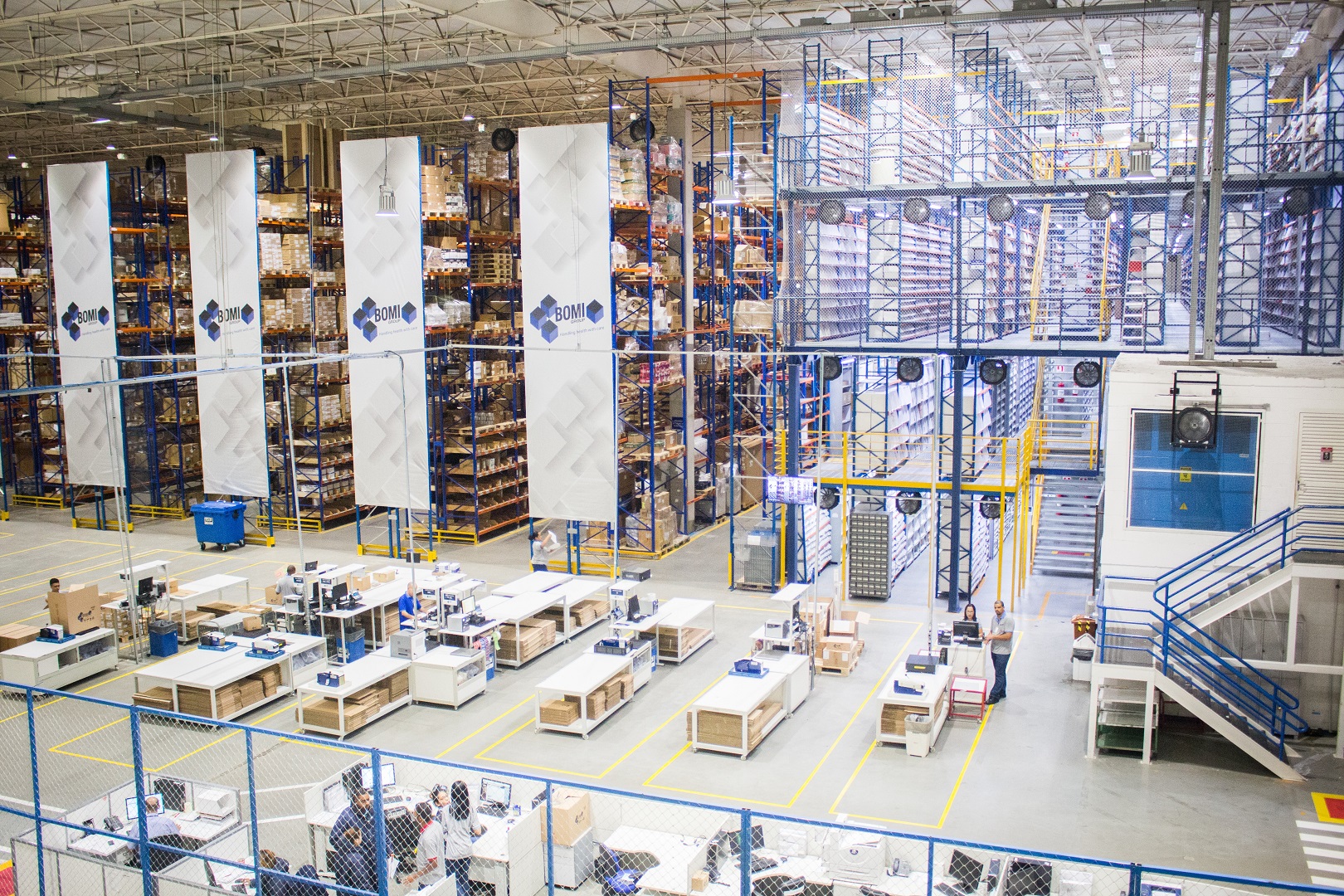
Warehousing and Storage Overview
Warehousing is a cornerstone of modern logistics, acting as a central storage hub that ensures products are available when needed. It reduces lead times and supports smooth supply chain operations. Key functions include inventory management, order fulfillment, and specialized storage solutions like climate-controlled environments for sensitive goods.
Career Opportunities in Warehousing
Entry-Level Positions
The warehousing sector offers diverse career paths accessible to individuals with varying skills. Entry-level roles include:
Warehouse Picking and Packing: Selecting and preparing items for shipment.
Material Handlers: Moving goods using equipment like forklifts.
Inventory Clerks: Tracking stock levels and maintaining accurate records.
Advancement and Specialization
Career growth leads to management and specialized roles such as warehouse management, logistics coordination, and technology specialist positions. Additional training and experience are key to moving up.
Essential Skills for Success
Core Skills
Warehousing jobs require a mix of physical and technical abilities. Employers value attention to detail, physical stamina, and technical proficiency with warehouse software and automated systems.
Training and Development
Continuous learning is crucial. Training opportunities include warehouse courses covering safety and inventory management, certification programs like forklift operation, and on-the-job training for practical experience.
Technology in Warehousing
Automation and Robotics
Automation improves speed, accuracy, and cost efficiency by handling repetitive tasks. Benefits include increased efficiency, cost reduction, and scalability.
Warehouse Software
Advanced software manages inventory, orders, and provides data analytics for informed decision-making. Features include real-time stock tracking and streamlined fulfillment processes.
Challenges Facing the Industry
Adapting to Technological Change
Rapid tech advancements require ongoing workforce training. Companies invest in continuous learning programs, skill development workshops, and partnerships with tech providers.
Managing Increased Demand
E-commerce growth pressures warehouses to scale operations. Solutions include process optimization, facility expansion, and flexible staffing models to handle peak volumes.
Sustainability Concerns
Environmental awareness pushes warehouses to adopt energy-efficient measures, waste reduction programs, and eco-friendly technologies like LED lighting and renewable energy.
Frequently Asked Questions
Q1. What are the main responsibilities of a warehouse picker and packer?
They select items from inventory and prepare them for shipment, ensuring accuracy and timely delivery.
Q2. How can I get a job in warehousing with no experience?
Many entry-level positions require no prior experience. Highlight transferable skills like attention to detail and physical stamina.
Q3. What skills are important for success in the warehousing industry?
Key skills include attention to detail, physical fitness, and proficiency with warehouse systems and software.
Q4. How is technology impacting the warehousing sector?
Automation and advanced software enhance efficiency, reduce costs, and provide valuable data insights.
Q5. What training opportunities are available for career advancement?
Training includes warehouse courses, certification programs, and on-the-job training to help advance your career.